
 Marina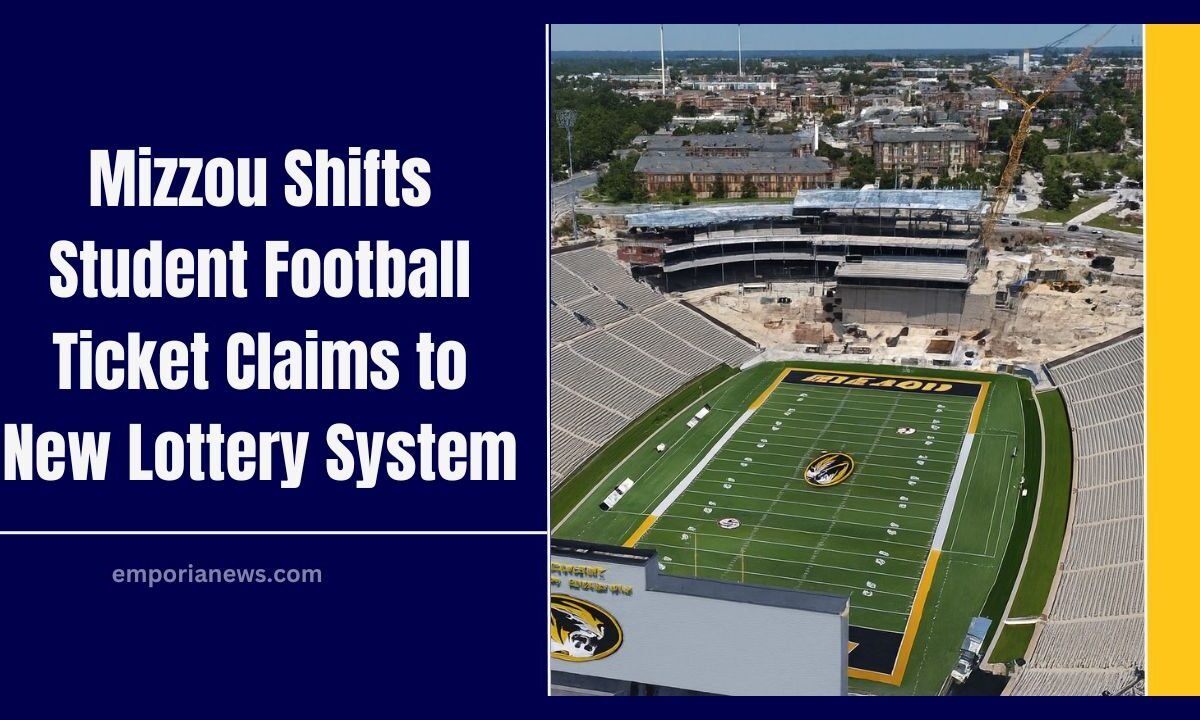
In response to mounting student complaints, the University of Missouri recently revamped its football ticket distribution method, transitioning from a chaotic digital queue to a weekly lottery system.
This move aims to create a fairer, more transparent process for students with All-Sports (Zou) Passes.

The change marks a significant shift in how tickets are awarded and shows the university’s willingness to adapt amidst escalating tensions.
Why the Change? Student Frustration and Long Waits
Students widely criticized the old system—before the lottery—of waiting in virtual queues to secure tickets. Many described experiences that included:
- Lengthy wait times in online queues—up to several hours.
- System crashes and logout issues, causing students to miss earlier claims.
- Confusion and stress, especially when queue openings began ahead of the official advertised time.
Freshman Tahlula Habedank reported being logged out after nearly two hours in the queue, while Ethan McGinnis, a senior, called the system “not convenient at all.”

Junior Tyler Holder described the experience as unfair, noting that students who paid $200 for the Zou Pass weren’t guaranteed a ticket—leaving many disappointed.
New Lottery System: How It Works
Weekly Ticket Distribution
Under the new setup:
- Every Monday, students with Zou Passes receive an email with a link to enter that week’s ticket lottery.
- Students must submit their entry by 11:59 p.m. on Monday.
- Winners are notified via email by Wednesday, confirming their ticket allocation for that week’s game.
Class-Based Allocation
To ensure fairness across class years, Mizzou uses a tiered distribution system—even if some classes under-enroll. For example:
| Opponent | Week | Allocation Breakdown |
|---|---|---|
| Louisiana (Sept 13) | Week 1 | 30% Freshmen • 30% Sophomores • 20% Juniors • 20% Seniors+ |
| South Carolina (Sept 20) | Week 2 | Same as above |
| UMass (Sept 27) | Week 3 | 30% Seniors+ • 30% Juniors • 20% Sophomores • 20% Freshmen |
| Alabama (Oct 11) | Week 4 | Same as Week 3 |
| Texas A&M (Nov 8) | Week 5 | 30% Freshmen • 30% Sophomores • 20% Juniors • 20% Seniors+ |
| Mississippi State (Nov 15) | Week 6 | Same as Week 3 distribution |

If a particular class doesn’t use all its allocated tickets, those extras are redistributed evenly across the remaining classes.
What’s Behind the Change?
- The old digital queue system suffered from technical glitches and overwhelming demand, especially with an increase in new students this year.
- The lottery method promises a more balanced, stress-free experience—no more endless waiting or repeated failed login attempts.
- Mizzou officials are also considering further adjustments, including changing when the lottery opens, to reduce load and better manage student expectations.
Student Experience After Launch
- Timing improvements: Some students report faster response time compared to queue chaos.
- Mixed reception: Some appreciate the predictability and increased fairness, while others still worry about access—especially those who value in-person attendance as college tradition.
- Issues remain regarding overall seat capacity due to ongoing stadium construction limiting availability.
Summary: New Mizzou Ticket Process
| Aspect | Details |
|---|---|
| Old System | Digital queue, long wait times, crashing, system logouts |
| New System | Weekly emailed lottery entry with email results by Wednesday |
| Enrollment Cutoff | Lottery entries close Monday at 11:59 p.m. |
| Notification Time | Winners notified via email by Wednesday |
| Allocation Method | Class–year percentage allocations by game/week |
| Redistribution | Unused class tickets reallocated across remaining classes |
| Improvement Goals | Fairness, less stress, reliability |
| Ongoing Issues | High demand, stadium capacity limits, continued system tweaks considered |
The implementation of a weekly lottery system for student football tickets marks a bold, student-oriented shift by the University of Missouri.
By addressing the shortcomings of the former digital queue, MU aims to deliver a transparent and equitable process to its enthusiastic and growing student body.
While challenges such as limited capacity and growing demand persist, the new structure amply demonstrates the university listening—and evolving—to improve student game-day access.