
 Mandy
Mandy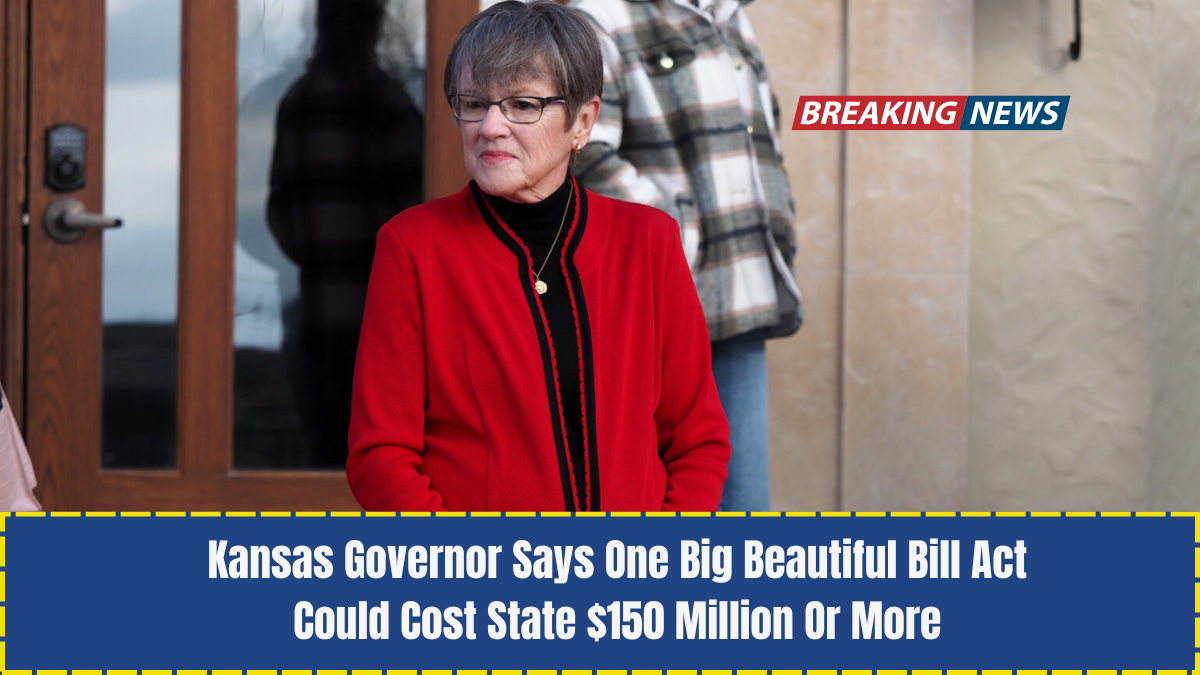
Kansas Governor Laura Kelly has cautioned that the One Big Beautiful Bill Act could impose financial losses of at least $150 million on the state as several health-care program cuts begin to roll out.
In an interview with Kansas Reflector, Kelly explained that state agencies are still assessing the full implications of the federal law.

However, preliminary analysis shows Kansas will lose tens of millions in federal funding, straining an already tight state budget.
Kelly noted that the impact could grow even larger if Kansas decides to support residents who lose benefits or step in to help struggling health facilities.
Federal Cuts Targeting SNAP, Medicaid, And ACA Subsidies
Growing Uninsured Population Expected
The Act introduces reductions to the Supplemental Nutrition Assistance Program (SNAP), Medicaid, and ends enhanced Affordable Care Act (ACA) premium subsidies.

According to Kelly, roughly 60% of Medicaid funding comes from the federal government, making these cuts especially damaging.
Key projections include:
- The Congressional Budget Office (CBO) predicts the Act’s Medicaid reductions will create 7.8 million more uninsured Americans by 2034.
- The Kaiser Family Foundation (KFF) estimates 63,000 Kansans will lose insurance coverage by 2034 because of Medicaid changes and the expiration of ACA tax credits.
Kansas Hospitals Face Severe Financial Pressure
Rural Health Facilities At Risk Of Closure
Kelly said the next three years could be disastrous for Kansas hospitals — particularly those in rural counties. Currently, over 50% of rural Kansas hospitals are already struggling to stay open.

A United Methodist Health Ministry Fund report found:
- Rural Medicaid reimbursements in Kansas could drop by 15% under the Act
- Around 5,000 rural Kansas Medicaid recipients will lose coverage
Freeman Health System, which considered building a hospital in southeast Kansas, canceled its plan due to the “unpredictable impact” of the federal law and other rural healthcare issues.
Kelly believes these changes will push many hospitals past their breaking point, resulting in lost jobs, reduced access to care, and severe economic strain across communities.
Impact On Nursing Homes And Social Services
Medicaid Cuts Threaten Senior Care
More than 50% of Kansas nursing home residents rely on Medicaid. Kelly said the law’s reductions will directly affect the financial stability of these facilities, many of which already operate with thin margins.
Additionally, the Navigator Program, which helps residents enroll in Medicaid and ACA plans, suffered a 90% funding cut, making it harder for vulnerable populations to access healthcare services.
Administrative Challenges and Ripple Effects
More Frequent Medicaid Renewal Requirements
Under the Act, Kansans on Medicaid will need to reapply twice a year instead of annually.
Robert Stiles of the Community Care Network of Kansas said this change alone will double the state’s verification workload overnight, leading to delays and backlogs.
Kelly also warned of long-term social impacts:
- Increased child hunger
- Poor educational performance
- Lower workforce readiness
She criticized federal lawmakers for failing to intervene, saying Congress is “sitting on their hands” as these consequences unfold.
Key Medicaid And ACA Policy Shifts Explained
The governor’s office released a detailed analysis outlining how the Act will reshape Kansas healthcare funding:
1. State Directed Payments (SDPs) Reduced
Kansas uses SDPs to support hospitals and specialty providers.
The federal law mandates:
- A 10% yearly reduction beginning in 2028
- Payment caps eventually limited to 110% of Medicare rates
- Kansas SDP rates, projected to exceed 200% of Medicare by 2028, will be forced downward
According to the Kansas Health Institute, hospitals may lose substantial SDP revenue, forcing the state to consider alternative funding models by 2038.
2. Medicaid Retroactive Coverage Shrinks
Patients will only receive Medicaid coverage for 60 days of prior medical expenses, rather than the current 90 days, shifting more financial burden to patients and providers.
3. ACA Marketplace Auto-Enrollment Ends
Individuals will no longer be automatically reenrolled in ACA health plans each year, even when their information remains unchanged.
4. Hospitals Already Operating at a Loss
A Kansas Hospital Association (KHA) study found:
- The median operating margin for Kansas hospitals in FY 2022 was -12.7%
- Kansas ranked lowest compared to Nebraska and Oklahoma
- Many hospitals already lose money on core patient services
With upcoming cuts, KHA warns hospitals will be paid less for Medicaid services each year, even as operational costs rise.
Broader Economic Consequences For Kansas
Kelly said it is difficult to predict how far the economic damage will extend. A Manatt Health study estimates Kansas hospitals could lose $1.6 billion over 10 years due to Medicaid reductions.
These losses could:
- Trigger hospital closures
- Disrupt local economies
- Reduce access to emergency and specialty care
- Increase long-term poverty and unemployment
Kelly warned that inadequate healthcare access and rising child hunger will ultimately weaken the state’s future workforce, reinforcing a damaging economic cycle.
The One Big Beautiful Bill Act presents a major financial and healthcare challenge for Kansas. With projected losses of over $150 million, significant Medicaid cuts, and widespread rural hospital vulnerability, the state faces a complex and far-reaching crisis.
Governor Laura Kelly continues to urge federal leaders to respond before the ripple effects permanently reshape Kansas’ healthcare system, economy, and community well-being.
FAQs
1. How much funding could Kansas lose because of the One Big Beautiful Bill Act?
Kansas is expected to lose at least $150 million, with additional losses likely as Medicaid and ACA provisions are phased in.
2. Why are Kansas hospitals at risk under the Act?
Reduced Medicaid reimbursements, shrinking SDP payments, and rising operational costs may push many hospitals — especially rural ones — toward closure.
3. How will Kansans be affected by Medicaid rule changes?
Residents will need to reapply twice yearly, face reduced retroactive coverage, and may lose essential benefits due to stricter eligibility requirements.