
 Hailey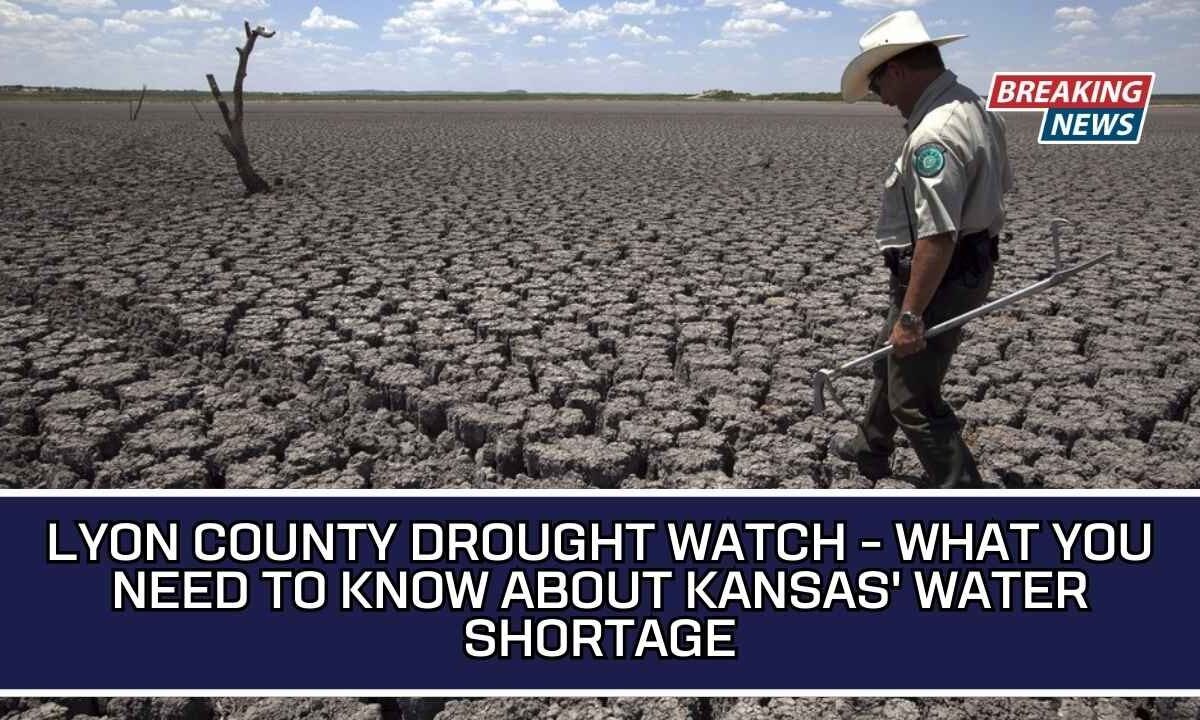
Lyon County in Kansas has recently been placed under a drought watch as part of an updated statewide drought declaration by Governor Laura Kelly.
This decision comes after recent rainfall improvements across the state, but with lingering dryness in some regions, especially in northeastern Kansas.
Key Updates in the Drought Declaration
Governor Kelly’s updated proclamation saw changes in the drought status for many counties.
39 counties were removed from drought status, while 43 counties, including Lyon County, were moved to drought watch status. A drought watch is an early warning indicating that the likelihood of water shortages is rising.
Governor Kelly explained, “Despite recent progress, many counties still face challenges with water availability and stressed resources.” She urged Kansans to be mindful of their water usage as they head into winter.

The impact of drought can affect public health, agriculture, and wildlife. Kelly’s statement emphasized the importance of using water wisely in the coming months.
What Does a Drought Watch Mean?
When a county is placed under a drought watch, it signals that conditions are likely to lead to a water shortage. Though recent precipitation has helped improve the situation in much of Kansas, the state still faces challenges in some areas.
The weather forecast predicts below-normal precipitation this winter, which could worsen drought conditions. As a result, farmers, residents, and local authorities are being advised to take proactive measures to manage water resources.

Connie Owen, the director of the Kansas Water Office, explained that counties in watch status are at a higher risk of facing rising water shortages.
She urged residents to conserve water and monitor conditions closely. Water conservation will be crucial in these counties to prevent the situation from worsening.
How Will This Affect Kansas?
Kansas has experienced some improvements in drought conditions, especially in the western parts of the state, thanks to recent rainfall. However, forecasts predict below-normal rainfall in the upcoming months, which could aggravate the drought.
In addition to this, dry conditions and warm spells may increase the risk of wildfires across the state. The prolonged dry spells and lack of significant rainfall will continue to challenge Kansas residents, especially those who rely on agriculture for their livelihood.
Governor Kelly’s proclamation allows state agencies to take specific drought response actions to address these concerns. These actions are outlined in the Kansas Drought Response Team’s operational plan, designed to manage water resources and mitigate the effects of the drought.
Status of Counties in Kansas
| County | Status |
|---|---|
| Lyon County | Drought Watch |
| 39 counties | Removed from drought status |
| 43 counties | Moved to drought watch status |
Lyon County’s placement under a drought watch serves as an important reminder about the need for water conservation.
Kansas has made some progress with rainfall improvements, but ongoing weather uncertainties, especially below-normal precipitation in winter, still pose risks for water shortages.
It’s essential for residents to be proactive in managing their water usage and monitor the situation.
While the drought watch is not as severe as a drought warning or emergency, it is a clear signal that conditions could worsen. By staying informed and taking action, Kansans can better prepare for any challenges ahead.