
 Patrick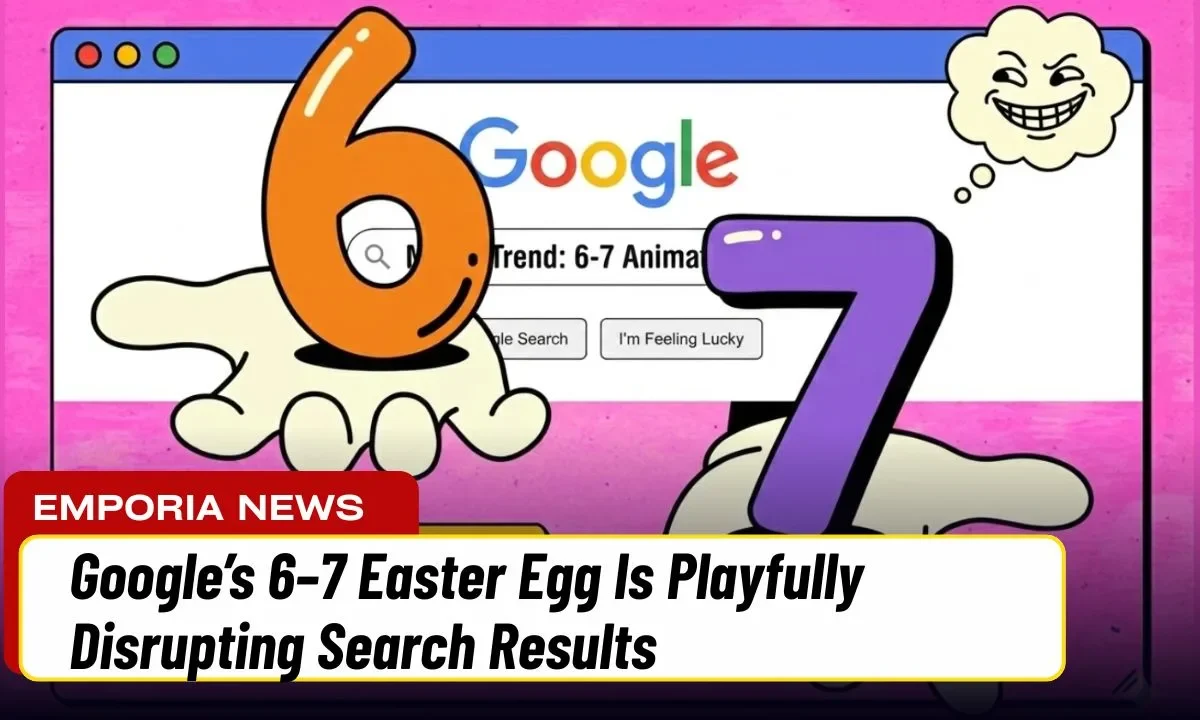
If you thought the “6-7” meme had finally run its course online, Google has other plans. The tech giant has quietly embraced the viral trend by adding a playful “6-7” Easter egg directly into Google Search—continuing its tradition of referencing popular internet moments.
According to reports, including coverage from 9to5Google, this hidden feature can be triggered simply by typing “6-7” or “67” into the Google search bar.
How the Google “6-7” Easter Egg Works

Once the term is entered, Google Search performs a visual nod to the meme’s signature move. The search results page subtly jiggles up and down, mimicking the familiar palms-up, weighing-the-hands gesture associated with the 6-7 trend.
While Google doesn’t include the accompanying audio—there’s no spoken “six seven”—the visual effect alone is enough to make the reference unmistakable. It’s a small but clever detail that shows how deeply the meme has embedded itself into internet culture.
Why Google’s Move Makes Sense
Google’s decision to immortalize 6-7 with its own Easter egg isn’t unexpected. The meme gained widespread recognition when Dictionary.com named it Word of the Year in late October, acknowledging its massive cultural impact.

In fact, Google’s Easter egg may unintentionally prank users who are still puzzled by the phrase. Curious searchers hoping for a definition will instead be greeted by the animated gesture—adding to the ongoing mystery and humor surrounding the trend.
What Does “6-7” Actually Mean?
For adults trying to decode why kids and teens are obsessed with 6-7, the answer can feel frustratingly elusive. Ironically, the confusion itself has become one of the year’s most relatable meme experiences.
The truth is simple: “6-7” doesn’t mean anything specific. It’s not a rating, not a judgment, and not shorthand for something being “mid” or average. Instead, it’s a pure vibe—a nonsensical phrase paired with a gesture that resonates with younger audiences and sparks endless amusement.
Dictionary.com’s Explanation of the 6-7 Phenomenon

Dictionary.com summarized the meme perfectly, stating that “the most defining feature of 6-7 is that it’s impossible to define.” It’s everywhere, meaningless, and intentionally absurd—qualities that fuel its popularity.
The site also traced the meme’s origins, which is especially helpful during family gatherings when someone inevitably asks what “6-7” means. The modern use of the phrase is believed to stem from a song titled “Doot Doot (6 7)” by Skrilla.
It’s worth noting that the meme may appear in several forms—6 7, 6-7, or six-seven—but one rule remains sacred: never pronounce it as “sixty-seven.”
Viral Videos That Cemented the Meme
The phrase quickly gained traction through viral TikTok videos, including clips featuring basketball players and a young boy who has since become internet-famous as the “67 Kid.” These videos played a major role in cementing the meme’s place in online culture and spreading it across platforms.
Watching the “Doot Doot (6 7)” video and the iconic 67 Kid clips provides the clearest understanding of why the meme took off—even if it still defies logical explanation.
The 6-7 meme may not have a clear meaning, but its cultural impact is undeniable. By adding a 6-7 Easter egg to Google Search, Google has officially acknowledged the meme’s staying power and its grip on internet humor.
Whether you understand it or not, 6-7 has evolved from a viral joke into a shared digital experience, proving once again that sometimes the internet’s most powerful trends don’t need to make sense—they just need to feel right.