
 Patrick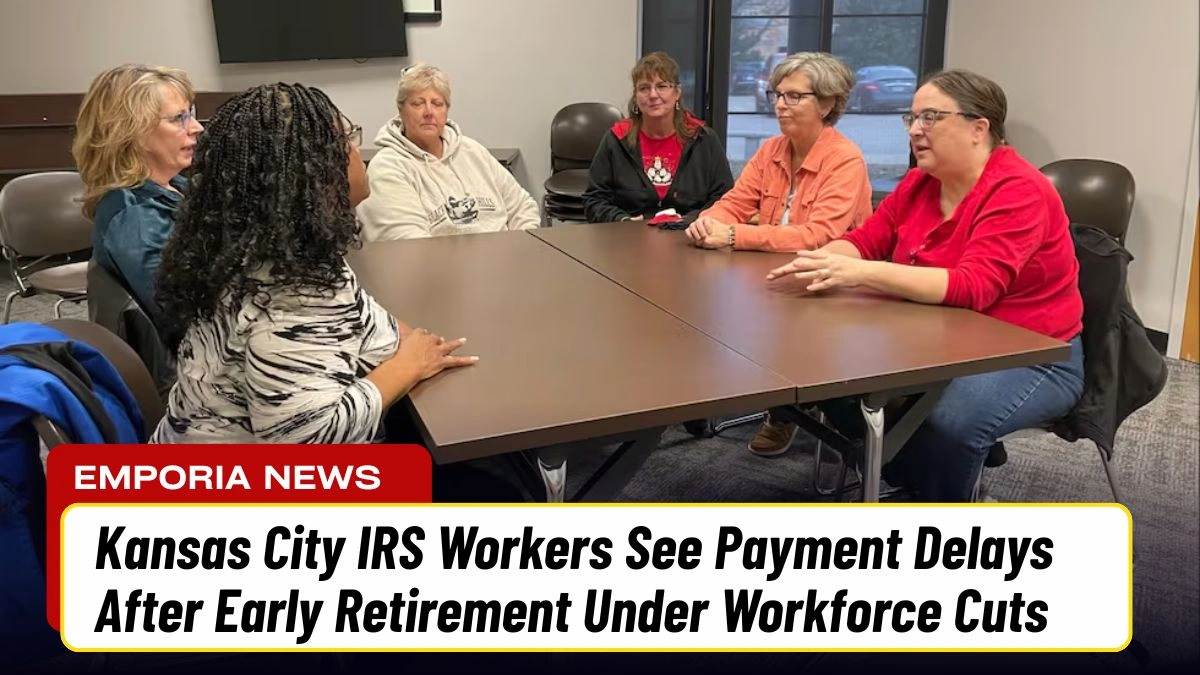
Hundreds of Kansas City–based IRS and federal employees who accepted early retirement offers under a Trump-era workforce reduction initiative say they are still waiting for money they were assured would arrive months ago.
Nearly three months after retirement, many former workers report delayed payments, minimal communication, and growing financial stress.
Federal Workforce Reduction and the “Fork in the Road” Email

In early 2025, the Trump administration launched a plan to reduce the size of the federal workforce. As part of this effort, federal employees received a widely distributed message known as the “Fork in the Road” email, which outlined options for deferred resignation under the Deferred Resignation Program (DRP).
Longtime IRS employees described the directive as unprecedented and unsettling. Many workers in the Kansas City area weighed whether to accept the offer, with thousands nationwide ultimately choosing to participate.
Expansion of the Program: DRP 2.0 and Voluntary Retirement
By April 2025, the government introduced DRP 2.0, along with an additional voluntary retirement option. Some employees who had not planned to retire for several more years felt pressured to make an early decision.

Several IRS workers said they enjoyed their jobs and had expected to continue working, but concerns about health, job stability, and personal circumstances pushed them toward retirement earlier than planned.
Why Many Chose to Accept the Deal
For some employees, the decision came down to health, family timing, or financial calculations. Others felt they could no longer sustain the uncertainty surrounding their positions.
Under the DRP agreement, participants stopped working for most of the summer but continued receiving pay through September 30, effectively functioning as a severance-style arrangement. Many carefully budgeted their finances, expecting payments to arrive on schedule.
Retirement Dates Set, Payments Do Not Follow

All six women interviewed by investigators had official retirement dates of September 30. After receiving their final partial paycheck in mid-October, several said payments abruptly stopped.
Following retirement, they expected clear instructions and timely compensation. Instead, they report silence and confusion from the agencies responsible for processing retirements.
Delays in Final Pay and Annual Leave Compensation
According to federal retirement guidelines, retirees should receive their final paycheck and accrued annual leave payout within four to six weeks. Annual leave accumulates at eight hours per pay period for employees with more than 15 years of service and is paid out upon retirement if unused.
Some retirees are owed more than $19,000 in unused leave. While a few have recently received their lump-sum payments, others are still waiting months later.
Interim Annuity Payments Still Missing
Beyond the annual leave payout, retirees were told they would receive interim annuity payments to help cover expenses while their pensions are finalized. Those interim payments have not yet arrived for many.
Retirees say the delays have forced them to cut back significantly, despite ongoing obligations such as mortgages, medical prescriptions, and utility bills.
Financial Strain and Frustration Grow
What was described as a three- to five-month process has stretched far longer than expected for many retirees. Former employees say the lack of coordination, leadership, and communication has left them financially vulnerable.
Several expressed disappointment that after dedicating decades to public service, they are now struggling to access benefits they earned.
Appeals to Congress and Agencies Yield Few Answers
Affected retirees have contacted human resources offices, senators, and congressional representatives, but report little progress. Investigators reached out to the IRS, the Office of Personnel Management, and multiple congressional offices in Kansas and Missouri.
Only one congressional office responded, stating that assistance is available for constituents experiencing issues with federal agencies.
Hope for Resolution Remains
Despite ongoing setbacks, retirees say they remain hopeful that action will be taken to ensure pensions and owed payments are finally delivered. Many stress that they are not asking for special treatment—only what was promised under the program they agreed to.
The delayed retirement payments facing Kansas City IRS and federal retirees highlight serious breakdowns in planning, communication, and execution within the early retirement process. After decades of civil service, these workers expected a smooth transition into retirement.
Instead, many are navigating months of uncertainty, financial strain, and unanswered questions. Ensuring timely payouts and clear communication is essential—not only to honor commitments already made, but to maintain trust in the federal retirement system.