
 Patrick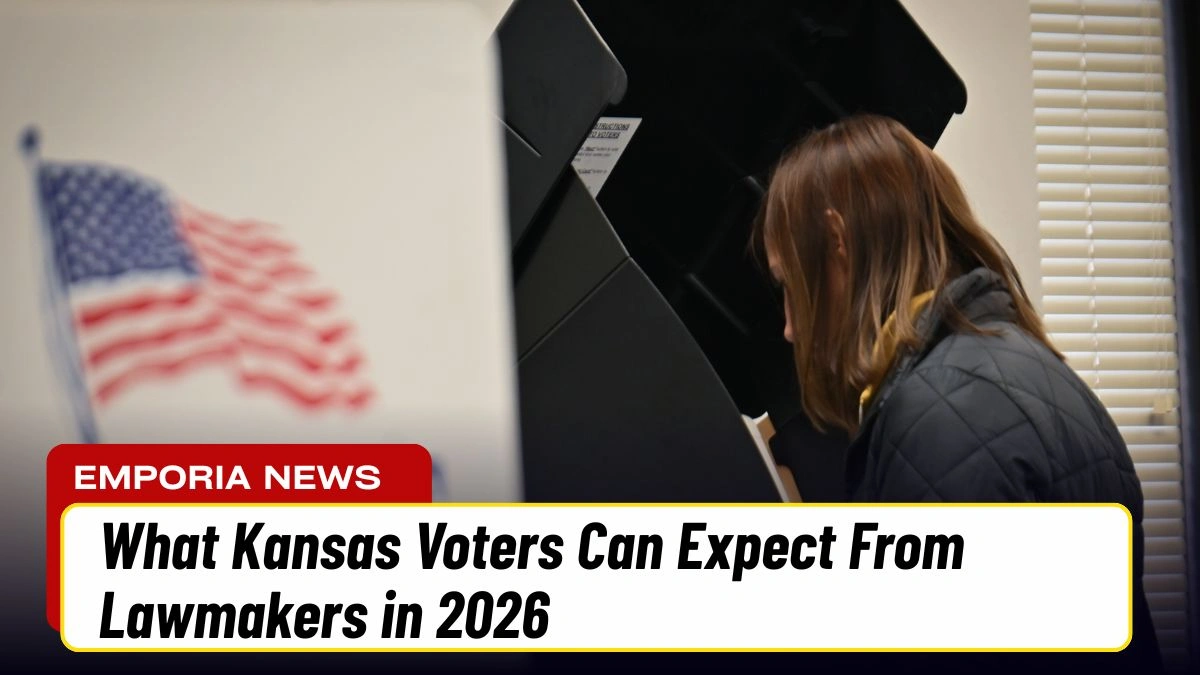
The 2026 Kansas legislative session is scheduled to open on January 12, setting the stage for debates that could shape the state’s political and economic direction ahead of a busy election year.
With campaign season approaching in the summer, lawmakers are expected to move quickly on priority issues before election messaging takes center stage.
Election Year Dynamics May Shape the Agenda
Because 2026 is an election year, political considerations are likely to influence which bills gain momentum.
According to political observers, legislators seeking reelection—or higher office—often introduce proposals designed to signal their values to voters.
This could result in legislation emphasizing affordability, a term expected to feature prominently as candidates highlight positions on cost-of-living concerns and fiscal responsibility.
Budget, Taxes, and Education Among Key Issues

Several major policy areas are expected to dominate the session, including:
- Budget reductions, as leaders weigh spending priorities
- Tax policy, with Republicans pushing for tax relief while Democratic Governor Laura Kelly emphasizes long-term fiscal stability
- School reform, a recurring topic in Kansas legislative debates
Balancing these competing goals will be a central challenge as lawmakers attempt to satisfy voters while maintaining budget discipline.
Federal Health Funding and Property Taxes in Focus
Kansas must also decide how to allocate $222 million received through the Rural Health Transformation Program, awarded during the Trump administration. Discussions are expected around directing these funds to strengthen healthcare access in rural communities.

At the same time, property taxes remain one of the most pressing issues statewide. While both major parties agree it is a top concern for Kansans, there is little agreement—both across and within parties—on the best solution. Disagreements among senior Republican leaders further complicate prospects for swift reform.
Redistricting Unlikely to Be Revisited
Redistricting is not expected to resurface during the regular session. Lawmakers did not meet for a special redistricting session in the fall, and House leadership has indicated there are insufficient votes to advance congressional map changes. As a result, attention is likely to stay focused on fiscal and economic matters.
Key Dates and Offices on the Ballot
The legislative session is expected to conclude in March, with the primary election filing deadline set for June 1. Voters across Kansas will cast ballots in 2026 for several high-profile positions, including:
- Governor
- U.S. Senator
- State Attorney General
- Insurance Commissioner
- Secretary of State
- State Treasurer
These upcoming races add urgency to the legislative calendar, as policy decisions made early in the year could influence campaign narratives statewide.
As the 2026 Kansas legislative session begins, lawmakers face a compressed timeline and heightened political pressure.
Budget priorities, tax policy, healthcare funding, and property tax reform are all expected to command attention before election campaigns fully ramp up.
With major offices on the ballot and voters closely watching affordability issues, the decisions made in this session could have lasting impacts well beyond the spring adjournment.