
 Hailey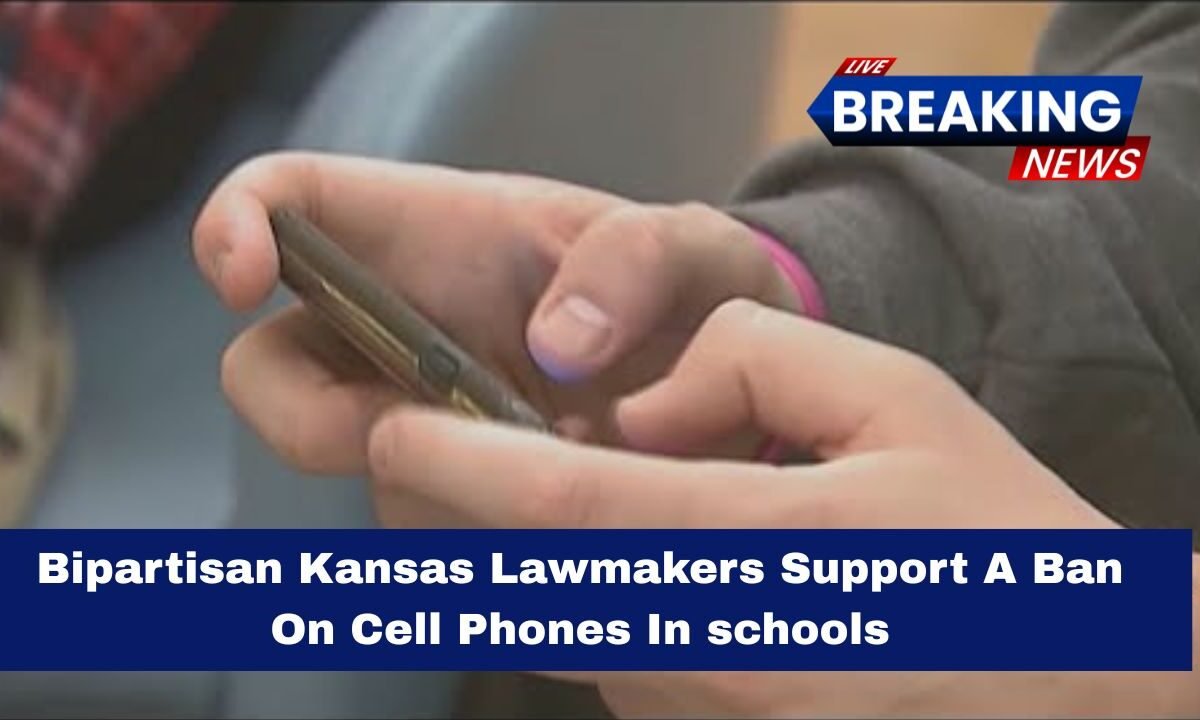
Bipartisan Kansas lawmakers are moving forward with a proposal that would ban student cell phone use in schools during the school day.
The plan aims to reduce distractions in classrooms, improve academic focus, and address growing concerns about student mental health, cyberbullying, and constant digital interruptions.

The proposal applies to K–12 public and accredited private schools across Kansas. Lawmakers supporting the measure say excessive phone use has become a major barrier to learning and social development, especially as students spend more time on social media and messaging apps during school hours.
What “Bell-To-Bell” Cell Phone Ban Means
The proposed rule introduces a bell-to-bell restriction, meaning students would not be allowed to use personal cell phones or similar electronic communication devices from the start of the school day until dismissal.
Phones would need to be:
- Turned off
- Stored securely
- Inaccessible during the day, not kept in pockets or desks

Schools would decide the exact storage method, such as lockers, locked pouches, or classroom storage systems.
Why Lawmakers From Both Parties Support The Ban
Supporters from both major political parties argue that the ban is about education, not punishment. Research and classroom feedback have shown that phones reduce attention spans, interrupt lessons, and contribute to anxiety and peer pressure.
Lawmakers have pointed to:
- Declining classroom focus
- Increased online conflicts spilling into school hours
- Rising stress and distraction among students

By limiting phone access, they believe students will be more engaged with teachers, peers, and coursework.
Timeline And Compliance Expectations
If approved, school districts would be required to implement the policy by September 1, giving administrators time to update handbooks, notify families, and train staff before full enforcement begins.
Each district would be responsible for:
- Creating written cell phone policies
- Explaining consequences for violations
- Communicating rules clearly to parents and students
Exceptions Written Into The Proposal
The ban is not absolute. Several important exceptions are included to protect student needs:
- Students with an Individualized Education Program (IEP) or 504 plan may use devices if required for learning or accessibility
- Students with documented medical needs, approved by a licensed physician, may keep devices available
- Schools must still provide access to school phones so students can contact parents or guardians when needed
These exceptions are designed to ensure safety and fairness while maintaining the overall goal of reduced distraction.
Key Details At A Glance
| Category | Details |
|---|---|
| Schools covered | Public and accredited private K–12 schools |
| Main rule | Bell-to-bell cell phone restriction |
| Storage | Phones must be powered off and securely stored |
| Compliance deadline | September 1 |
| Student exceptions | IEP/504 plans and medical necessity |
| Enforcement | Set by individual school districts |
| Goal | Improve focus, learning, and student well-being |
Concerns And Debates
Some parents have raised concerns about emergency communication and personal safety. School leaders have responded by emphasizing that emergency procedures already rely on school communication systems, not personal phones, and that staff access to phones is not restricted.
Administrators are also considering practical issues such as lost or damaged devices and enforcement consistency, which will be handled at the district level.
The bipartisan effort to ban cell phones in Kansas schools reflects a growing national push to refocus classrooms on learning rather than screens.
By enforcing a bell-to-bell phone restriction with clear exceptions, lawmakers hope to create a healthier, more focused school environment. If implemented, the policy would mark a major shift in how schools manage technology and student attention—placing education and well-being first.