
 Mandy
Mandy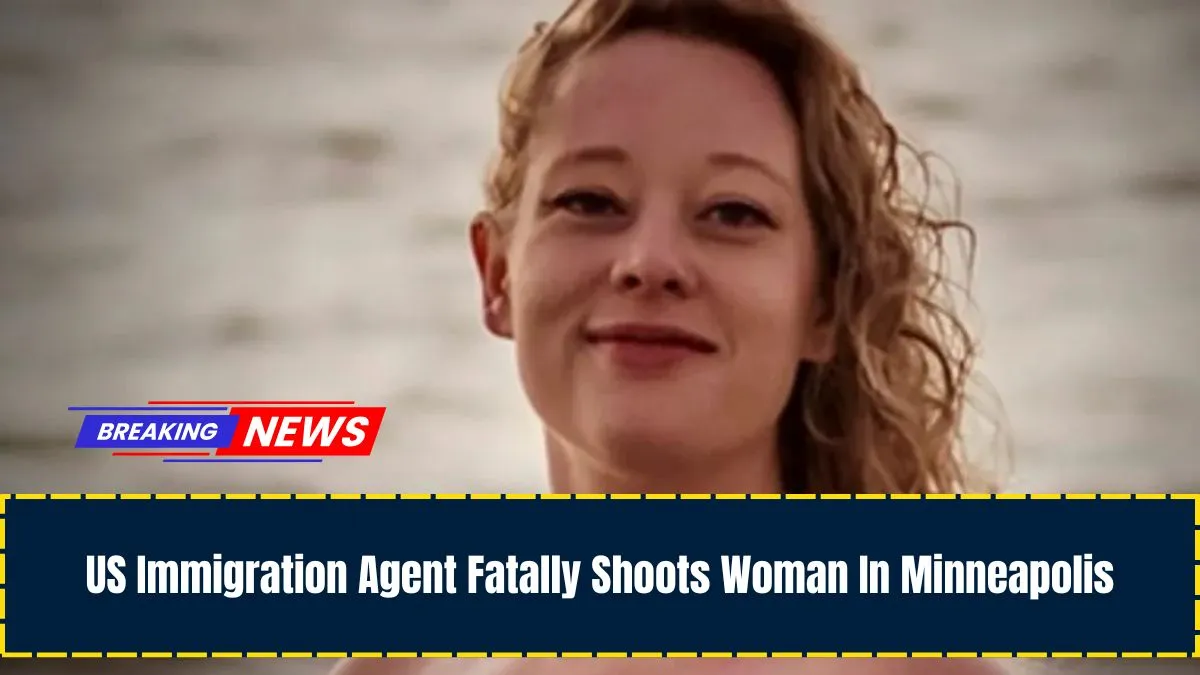
A deadly confrontation involving US immigration enforcement has shaken Minneapolis, leading to widespread protests, political backlash, and a federal investigation.
What Happened in Minneapolis?
A 37-year-old woman, Renee Nicole Good, was fatally shot by a US immigration agent during a tense encounter in Minneapolis on Wednesday morning around 10:25 a.m. local time.

Federal authorities said the woman attempted to run over immigration agents with her vehicle, prompting an officer to fire what officials later described as defensive shots. However, city leaders strongly disputed this account, accusing the agent of acting recklessly.
The Federal Bureau of Investigation has confirmed it is now handling the investigation.
Video Footage and Witness Accounts
Multiple videos posted on social media show ICE agents surrounding a maroon SUV that was stopped in the middle of a residential street. As agents ordered the driver to exit the vehicle, one officer appeared to tug at the driver-side door.
When the SUV began moving, an agent near the front of the vehicle raised his firearm, and at least two gunshots can be heard. The vehicle then lost control and struck a parked car.
Witness Emily Heller, speaking to CNN, said an agent stepped directly in front of the SUV and fired point-blank through the windshield as the vehicle was already moving.
Conflicting Official Statements
Federal Response
- U.S. Immigration and Customs Enforcement (ICE) claimed the woman attempted to weaponize her vehicle
- Kristi Noem, the US Homeland Security Secretary, labeled the act “domestic terrorism”
- Officials said the agent was injured, treated at a hospital, and later released
Former President Donald Trump posted on Truth Social, stating an ICE officer was “viciously run over” and blamed the “Radical Left” for escalating threats against law enforcement.
Local and State Pushback
- Minneapolis Mayor Jacob Frey condemned the shooting and demanded ICE leave the city
- Tim Walz, Minnesota’s governor, accused federal agencies of spreading propaganda
- The Minneapolis City Council stated Good was simply helping neighbors at the time of the shooting

National Democrats, including Kamala Harris and Hakeem Jeffries, criticized the administration’s version of events, calling it misleading and inflammatory.
Protests and Community Impact
Following the incident, hundreds of protesters gathered across Minneapolis, demanding ICE withdraw from the city. Demonstrations also spread to New Orleans, Miami, Seattle, and New York City.
The shooting occurred about one mile from the site where George Floyd was killed in 2020, a location already symbolic of police violence and civil unrest.
Due to safety concerns, Minneapolis Public Schools canceled classes for the remainder of the week, particularly after reports of federal arrests near a high school.
Why Are ICE Agents in Minneapolis?
The Trump administration recently sent 2,000 additional federal agents to the Minneapolis area, citing alleged welfare and childcare fraud.
This deployment is one of the largest DHS operations in a US city in years and follows ICE efforts launched late last year to detain individuals with existing deportation orders, including members of the Somali-American community.
Trump has repeatedly criticized this community and has withheld federal childcare funding from Minnesota after claims—later disputed—of widespread fraud.
Mayor Frey said the federal presence has increased fear, not safety, accusing ICE of tearing families apart and destabilizing neighborhoods.
The fatal shooting of Renee Nicole Good has become a flashpoint in the national debate over immigration enforcement, police accountability, and federal authority. With sharply divided narratives from federal officials and local leaders, the outcome of the FBI investigation will be crucial in determining accountability.
As protests continue and tensions rise, Minneapolis once again finds itself at the center of a broader reckoning over justice, public safety, and the role of immigration enforcement in American cities.