
 Hailey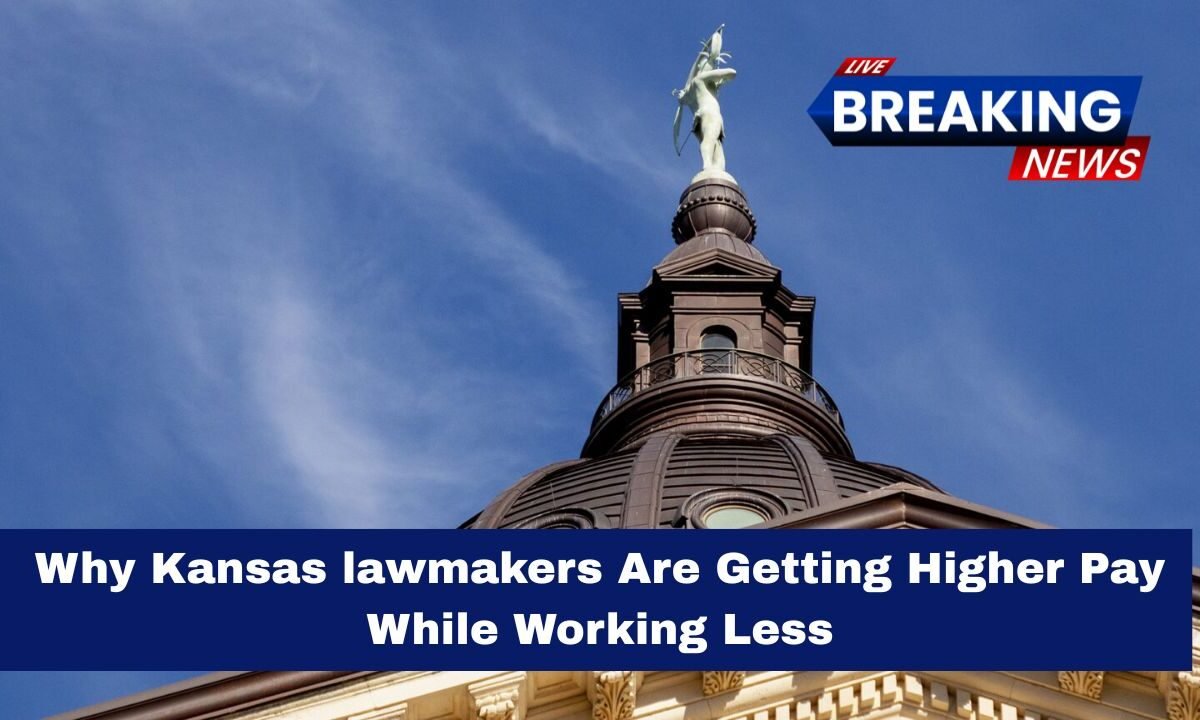
Kansas lawmakers are facing growing criticism for approving significant pay increases while many residents argue they are doing less work or failing to address major state problems.
The controversy has intensified as legislators prepare for new sessions, budget challenges mount, and critics question whether the pay hike is justified given the amount of time lawmakers spend in session and what they accomplish for residents.

This article explains in detail why this issue matters, the facts behind the pay raise, the workload complaints, and what the public is saying.
Lawmakers’ Pay Raise Details
In 2024, Kansas legislators approved a law that will nearly double their pay starting in 2025, even though most lawmakers did not vote on it directly. Under the plan:
- Annual compensation for rank‑and‑file legislators will increase from about $30,000 to nearly $58,000, a 93% raise.
- Leadership positions such as House Speaker and Senate President will see salaries rise from about $44,000 to more than $85,000.
- The raise was structured through a bipartisan pay commission, which set the new pay unless the Legislature voted to reject it — but the chambers did not act in time. Critics say lawmakers avoided a direct vote to dodge political backlash.
Supporters argue the raise helps lawmakers who cannot afford to serve because the Legislature is technically a part‑time body with limited session days, making it hard for ordinary Kansans to remain financially stable while serving.
Complaints About Workload vs Pay

Most of the criticism centers on the perception that lawmakers are being paid more despite short and limited working sessions, leading to the claim they are “making more pay and doing less work.” Key points include:
- Kansas legislators usually convene for a limited session each year, often only a few months, unlike full‑time legislatures in other states.
- Many complain lawmakers are not addressing urgent issues such as SNAP food assistance funding, where Kansas could face millions in added costs due to federal changes — and the Legislature has yet to act decisively.
- Critics also note disputes over budgeting priorities, with large revenue surpluses still present but essential services such as education funding lagging due to policy disagreements.
Some residents and lawmakers themselves have expressed frustration, saying the pay raise appears disconnected from everyday Kansans’ work conditions.
Public Reaction and Political Stance
Public and political responses vary:
- Opposition voices say the raise erodes public trust, especially when many state workers receive modest increases (about 5%) compared to lawmakers’ near‑doubling of pay.
- Supporters argue that past legislative pay was too low, hindering diversity and representation because only wealthy or retired individuals could afford to serve.
- Some legislators have spoken out against the raise, calling it inappropriate or badly timed given other state priorities.
Key Facts on Pay and Workload
| Item | Details |
|---|---|
| Previous average pay | ~$30,000 annual compensation |
| New raise effective | 2025 |
| New average pay | ~$58,000 (93% increase) |
| Leadership pay | Over $85,000 for Speaker/President |
| Session length | Typically annual short session |
| State worker pay raise | ~5% for most |
| SNAP funding issue | Potential millions in added costs |
Why the Controversy Matters

This issue reflects wider concerns about how lawmakers balance compensation with public expectations. Critics argue that increasing pay without clear evidence of expanded legislative productivity undermines confidence in government.
Supporters counter that fair compensation makes public service accessible to more people and helps improve legislative quality.
The debate over Kansas lawmakers making more pay and doing less work highlights tensions between fair compensation and public perception of effort and accountability.
While legislators will see significant pay increases starting in 2025, many Kansans argue the Legislature must also address pressing issues like budget priorities and food assistance funding.
Whether this controversy leads to reforms in how legislative work and pay are structured remains an open question.