
 Hailey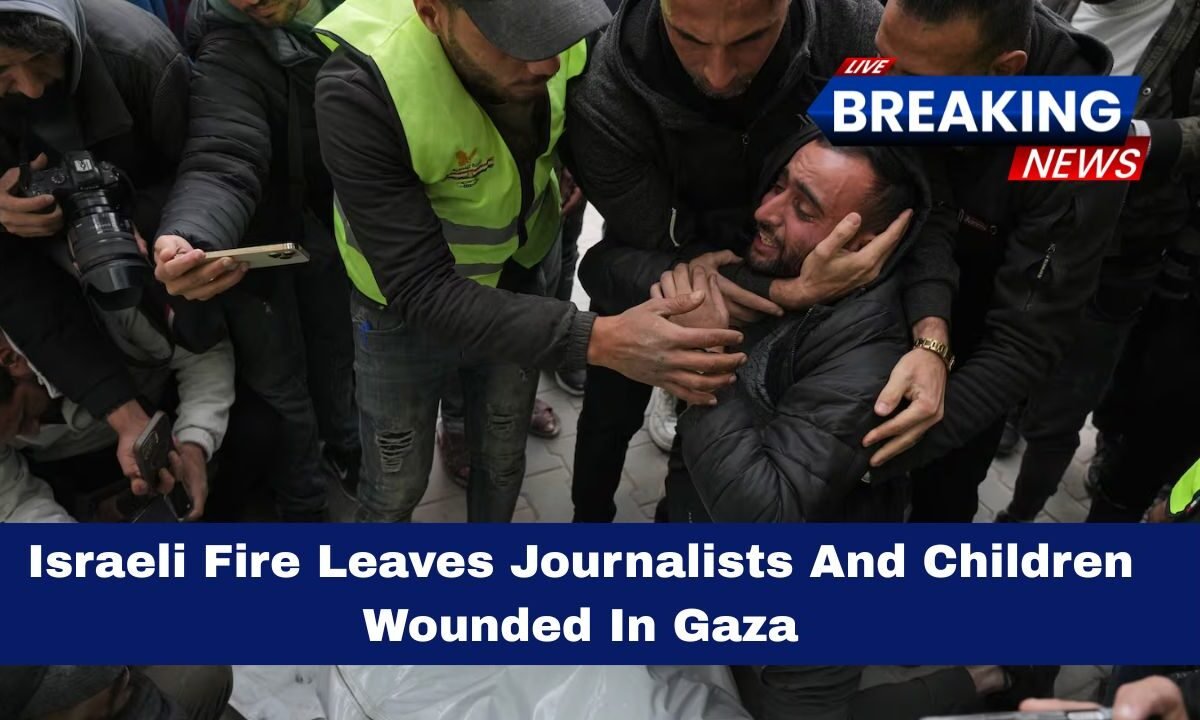
Israeli military fire that killed journalists and children in Gaza has drawn strong reactions from Kansas political leaders, humanitarian groups, and press advocates, who say the latest violence highlights the urgent need for civilian and journalist protection in modern conflicts.
While the attacks occurred overseas, Kansas-based organizations stress that the issue directly affects press freedom, child safety, and international humanitarian law, values strongly defended across the state.
What Happened In Gaza

In late January 2026, Israeli fire struck multiple locations across Gaza, killing at least 11 Palestinians in a single day. Among the dead were three journalists, two 13-year-old boys, and a civilian woman.
The attacks occurred during an active ceasefire, raising global concern over continued civilian deaths despite reduced large-scale fighting.
One strike hit a vehicle carrying journalists in central Gaza. The journalists were reportedly documenting humanitarian conditions near a displacement camp when the vehicle was struck. Israeli forces said the attack was linked to a perceived drone-related security threat.
Journalists Killed In The Incident

The journalists killed were identified as:
- Abed Shaat, freelance photographer
- Mohammad Qeshta, reporter covering humanitarian activity
- Anas Ghnaim, freelance photographer and drone operator
Their deaths added to a growing toll of media workers killed since the Gaza conflict escalated, making the region one of the most dangerous places in the world for journalists.
Children And Civilian Deaths
Two 13-year-old boys were killed in separate incidents the same day:
- One near Bureij refugee camp during a drone strike
- Another in Bani Suheila, reportedly while gathering firewood

A Palestinian woman was also killed by gunfire in the Muwasi area of Khan Younis.
Kansas Response And Reaction
Kansas-based press organizations, university journalism departments, and human-rights advocates say the deaths resonate strongly within the state.
Faculty members at journalism programs in Lawrence and Manhattan emphasized that the killing of journalists threatens the global flow of verified information.
Several Kansas advocacy groups also expressed concern over the deaths of children, noting that civilian protection is a core principle of international law regardless of geography.
Faith-based and humanitarian organizations in Wichita and Topeka have called for renewed diplomatic pressure to prevent further civilian casualties.
Key Facts
| Category | Details |
|---|---|
| Total Deaths | At least 11 Palestinians |
| Journalists Killed | 3 |
| Children Killed | 2 (aged 13) |
| Civilian Women Killed | 1 confirmed |
| Ceasefire Status | Active since October 2025 |
| Kansas Impact | Press freedom, humanitarian advocacy, global ethics |
Why This Matters To Kansas
Kansas has a long tradition of supporting press freedom, human rights, and civilian protection during conflict. Educators and policy analysts across the state warn that when journalists are killed, misinformation spreads faster, making conflicts harder to understand and resolve.
The deaths of children also strike a chord with Kansas communities that prioritize family safety, humanitarian relief, and moral accountability in foreign policy discussions.
Although the violence occurred thousands of miles away, the killing of journalists and children in Gaza has deeply resonated in Kansas. State leaders, educators, and advocacy groups argue that protecting civilians and journalists is not a regional issue but a global responsibility.
The incident underscores the fragility of ceasefires and reinforces calls from Kansas voices for accountability, restraint, and renewed diplomatic efforts to prevent further loss of innocent life.