
 Mandy
Mandy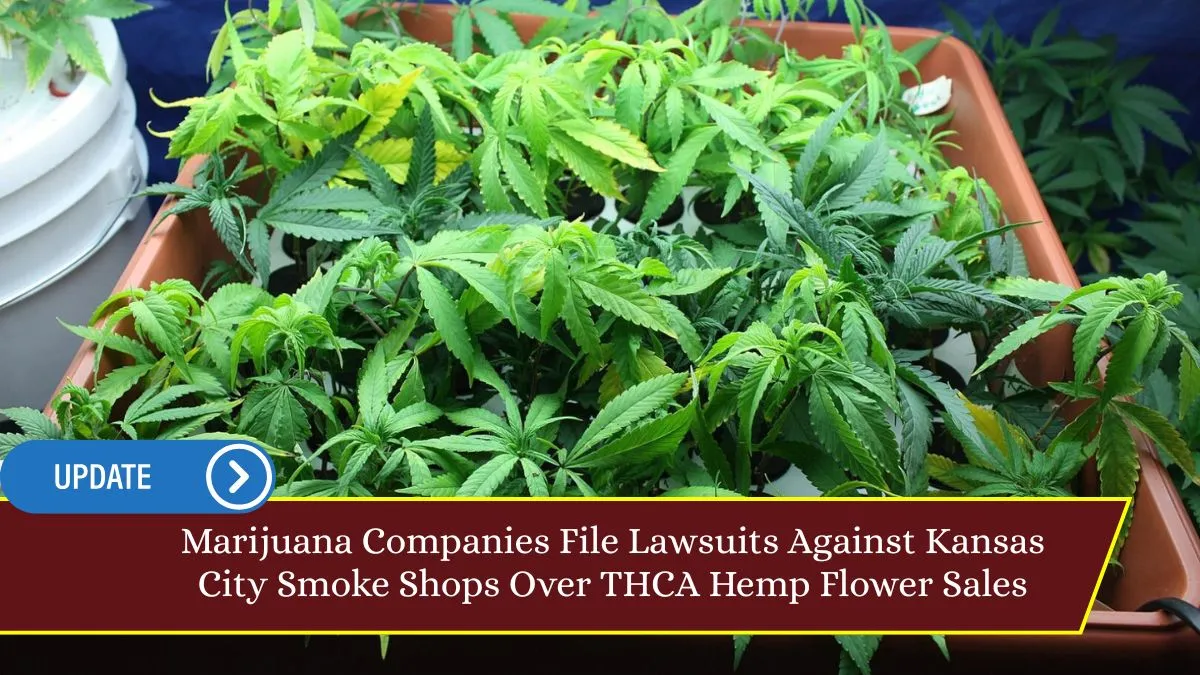
A group of licensed marijuana businesses has launched a wave of lawsuits across Missouri, accusing smoke shops and hemp retailers of illegally selling marijuana products disguised as THCA hemp flower.
The legal action highlights growing tension between the regulated cannabis industry and the largely unregulated hemp market.
Lawsuits Target Smoke Shops Across Missouri

The legal challenge is being brought by a coalition of about 20 marijuana companies, which has filed lawsuits against nearly 40 stores in St. Louis County and 17 businesses in the Kansas City area. Well-known hemp chains such as American Shaman and CBD Kratom are among the defendants.
According to the coalition’s attorney, Chris McHugh, additional lawsuits are expected as the group expands its effort to stop what it calls unfair and unlawful competition.
The businesses are accused of selling products that are effectively marijuana while avoiding the strict regulations imposed on licensed cannabis operators.
Dispute Over Unequal Regulations and Costs

The lawsuits argue that licensed marijuana businesses face heavy financial and regulatory burdens. Cultivators reportedly pay nearly $30,000 per year in licensing fees, while dispensaries pay more than $11,000 annually, along with costs for testing, compliance, and oversight.
In contrast, the suit claims that retailers selling THCA hemp flower avoid these requirements while offering a product described as chemically identical to marijuana flower sold in dispensaries.
McHugh said the coalition turned to the courts after Missouri lawmakers failed for three consecutive legislative sessions to establish clear regulations for THCA products.
How the 2018 Farm Bill Sparked the THCA Debate

The conflict traces back to the 2018 federal farm bill, which removed hemp from the federal controlled substances list. Under federal law, hemp is defined as cannabis containing less than 0.3% delta-9 THC by dry weight.
However, raw cannabis typically contains THCA, not delta-9 THC. When heated or smoked, THCA converts into delta-9 THC, producing intoxicating effects. Because the law did not define “total THC”, businesses began selling THCA flower that technically meets the hemp definition before it is used.
Industry critics say this loophole has allowed marijuana products to be sold openly without age limits, testing standards, or consumer safeguards.
Marijuana Coalition Seeks Court Intervention
The plaintiffs are seeking financial damages and a permanent injunction that would stop the accused businesses from producing, marketing, or selling marijuana or THCA flower.
McHugh warned that the lack of regulation has created serious public safety concerns, arguing that products are being sold with no oversight, no age restrictions, and no enforcement standards.
Hemp Industry Pushes Back Against the Claims
Some store owners strongly deny wrongdoing. Jay Patel, a retailer named in the lawsuit and a board member of the Missouri Hemp Trade Association, called the legal action unjustified and anti-competitive.
Patel acknowledged that THCA flower is chemically similar to marijuana but emphasized that his products meet the federal legal limit of 0.3% delta-9 THC. He said his products are grown on licensed hemp farms and backed by lab testing.
The association supports clearer state rules on labeling, testing, and age restrictions, and Patel said many hemp retailers have already adopted voluntary safeguards, even though some bad actors remain.
Claims of Selective Enforcement and Intimidation
Patel also criticized the lawsuit’s scope, noting that Missouri has an estimated 10,000 hemp retailers, yet the lawsuits target a relatively small number of stores, many of them small or minority-owned businesses.
He claimed some sued locations either do not sell hemp products or have already shut down, suggesting the lawsuits are intended to pressure weaker competitors rather than resolve legal uncertainty.
Understanding What THCA Flower Is
A common saying in the hemp industry is: “If it’s not lit, it’s legal.”
Because delta-9 THC levels are low in raw cannabis, THCA flower can qualify as hemp under current federal definitions. Once heated, however, the product becomes intoxicating.
Industry representatives argue that the origin of the plant, not its chemical outcome, determines whether it is legally considered hemp or marijuana under current law.
Federal Action and Changing Rules
The regulatory gap has drawn national attention. The Cannabis Regulators Association warned Congress that THCA products are indistinguishable from dispensary marijuana.
In response, Congress approved a provision in a recent spending bill that limits hemp products to 0.3% total THC, effectively closing the THCA loophole. This change is scheduled to take effect in November.
Missouri Bills Aim to Address the Issue
Missouri lawmakers are preparing to debate two bills designed to align state law with the updated federal definition.
- A proposal by Rep. Dave Hinman would allow THCA products if federal law permits them.
- A second bill by Sen. David Gregory includes an emergency clause, meaning it would take effect immediately and permanently ban intoxicating hemp products, regardless of future federal changes.
McHugh said the lawsuits may become unnecessary if Gregory’s bill passes.
Retailers Plan to Continue Sales Until Law Changes
Some store owners named in the lawsuits say they will continue selling THCA products until federal law changes. Nicholas Thomas, co-owner of a University City gift shop, said his THCA flower is kept in a 21-and-over section and that local police have allowed sales under current federal law.
Thomas argued that requiring businesses to calculate potential THC after heating is unreasonable, comparing it to estimating how many cookies could be made from raw dough.
The legal fight over THCA hemp flower highlights a growing clash between state-regulated marijuana markets and federally permitted hemp sales. With Congress moving to redefine hemp and Missouri lawmakers considering rapid changes, the future of THCA products appears uncertain.
Until new laws take effect, courts are being asked to decide whether these products are legal hemp—or marijuana sold through a loophole.