
 Hailey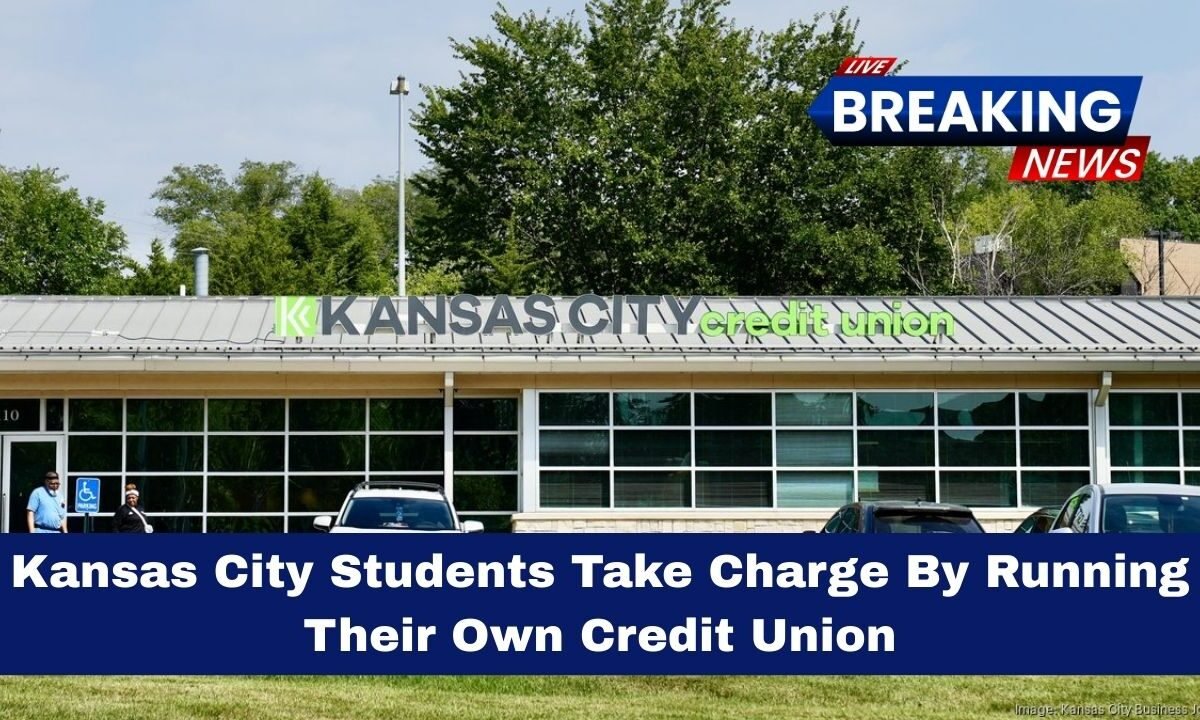
In Kansas City, Missouri, students at a local high school are gaining an extraordinary opportunity — running an actual student‑operated credit union branch right inside their school.
This unique program is giving teens real‑world financial experience, allowing them to manage accounts, serve members, handle real money, and learn valuable life skills that most young adults don’t encounter until after graduation.

The credit union initiative is part of a growing movement to teach financial literacy through hands‑on experience instead of just classroom theory.
Students are learning how banks and credit unions operate, how money flows through the financial system, and how to interact professionally with real customers. The result is more confident young adults who understand budgeting, savings, customer service, and financial responsibility.
What Is the Student‑Run Credit Union?
The student‑run credit union is a fully functioning branch located inside a Kansas City high school. It operates just like a normal credit union branch, with real deposits, withdrawals, and account services. The key difference: it’s run by students who act as tellers, customer service reps, and junior managers.

These students are responsible for handling daily operations, greeting members, opening accounts, processing transactions, and helping fellow students and staff with financial needs. They work under adult supervision, but the work they do is real and meaningful — involving actual money and real financial decisions.
This program gives students a rare opportunity to gain workplace experience while they are still in school. It’s a bridge between classroom lessons and real‑world career skills.
Why This Matters
Financial literacy is a skill that many adults admit they wish they had learned earlier in life. Yet, traditional school classes often focus on theory rather than practice. With this student‑run credit union, teens learn how to manage money, understand financial products, and practice customer service — all before they graduate.

Instead of learning about finances only from textbooks or social media, students are doing actual financial work.
They see firsthand how savings accounts work, what it means to balance a ledger, and how to communicate professionally with members. This kind of experience builds confidence, responsibility, and a practical understanding of money matters that will benefit them for years to come.
Student Responsibilities and Roles
Students involved in this credit union take on real duties that mirror those in a professional financial institution:
- Tellers: Students handle deposits, withdrawals, and basic transactions for members.
- Account Managers: They assist with opening savings accounts, explaining features, and helping members set goals.
- Customer Service: Students answer questions, offer friendly service, and help solve problems for their peers and school staff.
- Team Collaboration: They work together to run the branch smoothly, scheduling shifts, managing records, and maintaining professionalism.
These roles require responsibility, attention to detail, and strong communication skills. They teach students not just about finance but about teamwork and workplace expectations.
Benefits for Students and the Community
This credit union model has multiple benefits for both students and the surrounding school community:
- Real Financial Skills: Students learn budgeting, savings, and financial decision‑making through actual transactions.
- Workplace Experience: The program gives teens professional experience that can boost resumes and college applications.
- Increased Confidence: Handling money and interacting with members builds self‑assurance.
- Community Engagement: The credit union becomes a part of school life, encouraging financial awareness among all students.
- Early Career Exploration: Students interested in finance, business, or customer service get a head start before graduation.
Rather than waiting until college or a first job, these students are already practicing key skills in a real work environment.
Quick Overview
| Item | Details |
|---|---|
| Location | Kansas City, Missouri |
| Program | Student‑run credit union branch |
| Participants | High school students |
| Real Money Used | Yes — actual transactions occur |
| Student Roles | Tellers, account managers, customer service |
| Skills Learned | Financial literacy, money management, teamwork |
| Supervision | Adult professionals oversee operations |
Students in Kansas City are gaining a one‑of‑a‑kind financial education by running their own credit union.
This program puts practical financial literacy into action, giving teens a real taste of how banking works while building confidence, responsibility, and professional skills. For many students, this experience will shape how they view money and careers long after high school.