
 Hailey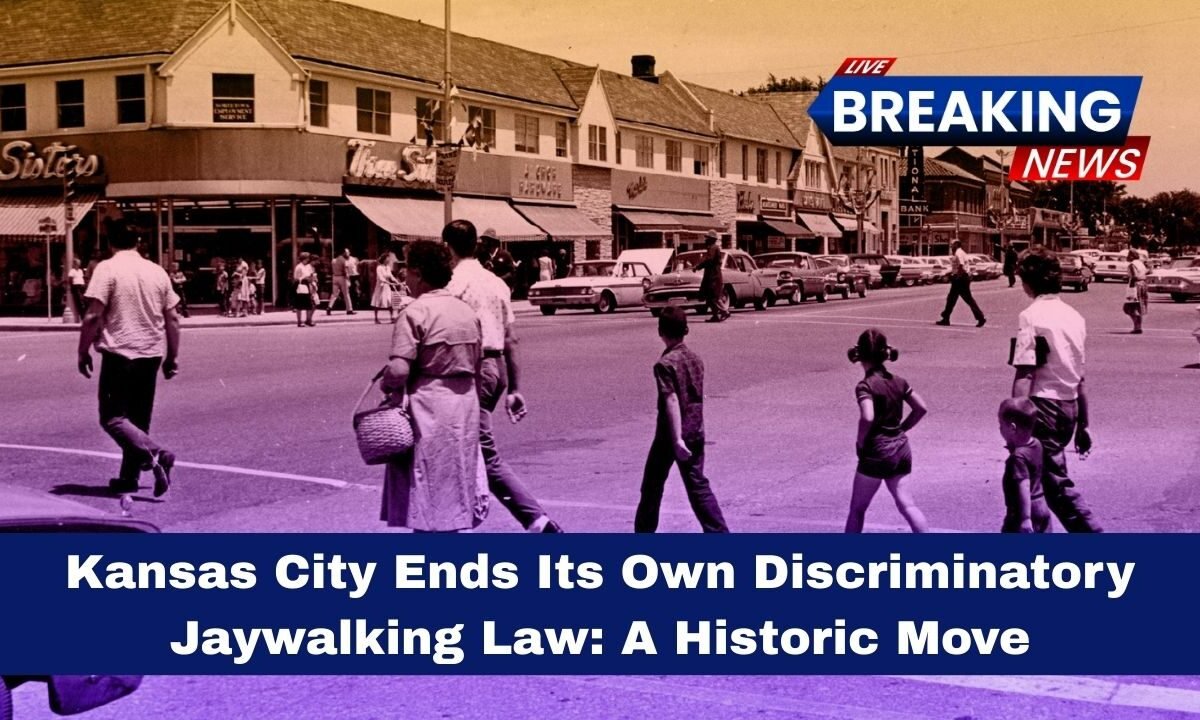
In a historic legal shift, Kansas City, Missouri repealed its long-standing jaywalking law, becoming the first major U.S. city to eliminate the offense entirely.
What makes this decision even more significant is that Kansas City helped pioneer anti-jaywalking laws more than a century ago. The repeal came after city data revealed clear racial disparities in enforcement, raising concerns about fairness and equity in traffic policing.

This article explains how jaywalking laws began, why Kansas City reconsidered them, the key data behind the decision, and what this change means nationwide.
The Origins Of Jaywalking Laws
The concept of jaywalking dates back to the early 1900s, when automobiles began replacing horse-drawn carriages. As car ownership increased, cities redesigned streets to prioritize vehicles rather than pedestrians.
In 1911, Kansas City introduced one of the nation’s first ordinances restricting pedestrians from crossing streets outside designated crosswalks. Violators faced fines ranging from $5 to $50, a significant amount at the time.

The shift was heavily influenced by the growing automobile industry, which promoted the idea that streets belonged primarily to vehicles. Over time, jaywalking became a common offense across the United States, embedding itself in traffic codes nationwide.
Data Reveals Discriminatory Enforcement
More than 100 years later, concerns emerged about how jaywalking laws were being enforced.
Between 2018 and 2020, Kansas City municipal court data showed:
- 123 jaywalking citations were issued.
- 65% of those cited were Black residents.
- Black residents represent less than 30% of the city’s population.
- Only 16% of citations were issued to women.

These figures highlighted a significant racial disparity. Community advocates argued that jaywalking laws allowed discretionary police enforcement, which could disproportionately impact minority communities.
Following national conversations about policing reform after 2020, local organizations began pushing for changes to ordinances that showed unequal application.
The City Council’s Unanimous Decision
In June 2021, the Kansas City Council voted unanimously to remove jaywalking from the city’s code. The repeal eliminated criminal penalties for crossing the street outside marked crosswalks.
Supporters argued that:
- The law had become outdated.
- It was used inconsistently.
- It disproportionately impacted certain communities.
- Existing traffic safety laws were sufficient to address dangerous pedestrian behavior.
Police officials initially expressed concerns about pedestrian safety. However, advocates maintained that removing criminal penalties would not prevent officers from addressing genuinely hazardous conduct.
National Impact And Broader Reform
Kansas City’s decision quickly drew national attention. It became a model for other cities and states reconsidering similar laws.
Since 2021:
- California decriminalized jaywalking in 2022.
- Nevada followed with similar reforms.
- Virginia reduced jaywalking to a secondary offense.
- Cities such as Denver and New York City have also decriminalized the practice.
These changes reflect a broader movement toward equitable traffic enforcement and reducing minor infractions that may disproportionately affect marginalized groups.
Key Facts About Kansas City’s Jaywalking Repeal
| Category | Detail |
|---|---|
| Law First Introduced | 1911 |
| Original Fine | $5–$50 |
| Citations Issued (2018–2020) | 123 |
| Percentage Issued To Black Residents | 65% |
| Black Population Share | Less than 30% |
| Council Vote | Unanimous |
| Repeal Year | 2021 |
| National Significance | First major U.S. city to fully repeal jaywalking law |
What The Repeal Means For Residents
With jaywalking no longer a criminal offense in Kansas City:
- Pedestrians are free to cross streets outside crosswalks without facing fines.
- Drivers must remain cautious and follow existing traffic safety rules.
- Police discretion over minor pedestrian stops has been reduced.
The repeal represents more than a traffic code change. It signals a shift toward fairness in municipal law enforcement and a reevaluation of policies rooted in early 20th-century urban planning.
Kansas City’s decision to abolish its historic jaywalking ordinance closes a full circle in American legal history. A city that once helped define pedestrian restrictions has now acknowledged their unequal impact and removed them from its books.
By relying on data, community input, and legislative action, Kansas City has positioned itself at the forefront of modern traffic reform. Its repeal may serve as a blueprint for other cities seeking to address racial disparities in minor law enforcement while maintaining public safety.