
 Hailey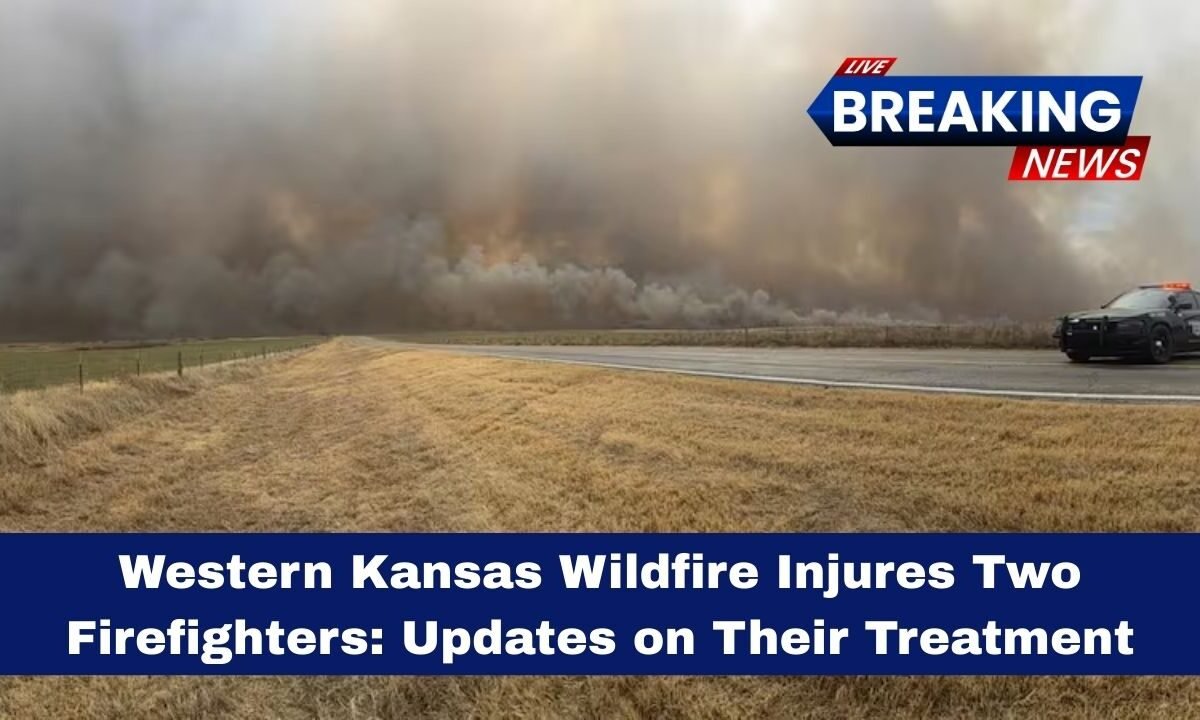
A dangerous western Kansas wildfire has left two firefighters injured while crews worked to contain one of the largest fires of the season. The incident occurred as powerful winds and extremely dry conditions fueled rapid fire spread across parts of southwest Kansas near the Oklahoma border. The injured firefighters are currently receiving medical treatment, and officials say their condition is stable and improving.
This wildfire has burned hundreds of thousands of acres and prompted evacuations in multiple communities, making it a major emergency event for the region.
Details Of The Firefighter Injuries

The two firefighters were injured while actively battling flames in Clark County, Kansas, near the town of Ashland. Officials confirmed they suffered burn injuries and smoke inhalation during intense firefighting operations.
Both were transported to a Wichita hospital for advanced medical care. Authorities have stated that their condition is serious but stable, and medical teams are closely monitoring their recovery. Local firefighter support organizations are assisting the families during this difficult time.
Fire officials emphasized that wildfires in western Kansas can change direction quickly due to sudden wind shifts, making conditions extremely hazardous even for experienced crews.
Overview Of The Western Kansas Wildfire

The wildfire, widely referred to as part of the Ranger Road Fire complex, has burned approximately 283,283 acres across areas of southwest Kansas and the Oklahoma panhandle. This makes it one of the largest wildfires in the region this year.
Several counties impacted include:
- Clark County (Kansas)
- Comanche County (Kansas)
- Meade County (Kansas)
- Nearby counties in Oklahoma
Strong winds reaching over 40 mph, combined with dry grasslands and low humidity, allowed the fire to spread rapidly. Officials reported that containment remains partial as crews continue working to secure fire lines.
Evacuations And Emergency Response

Due to the rapid spread of the wildfire, evacuation orders were issued for residents in Ashland and surrounding rural areas. Some evacuation orders were later lifted as containment improved, but authorities continue to monitor conditions closely.
Fire departments from across Kansas and neighboring states have assisted in response efforts. Emergency management agencies deployed:
- Ground firefighting crews
- Air support resources
- Emergency medical units
- Law enforcement for evacuation support
Officials warned residents to remain alert, as red flag conditions may continue depending on weather patterns.
Additional Firefighter Incidents In The Region
In related wildfire activity in nearby areas, additional firefighters were reportedly injured in a separate incident involving a vehicle rollover while responding to fire calls. These injuries highlight the broader danger facing emergency responders during extreme wildfire events.
Wildfire seasons in Kansas have intensified in recent years due to prolonged dry spells and high wind events, increasing the risks faced by rural fire departments.
Key Information
| Category | Details |
|---|---|
| Incident Type | Large Grassland Wildfire |
| Location | Southwest Kansas Near Ashland |
| Acres Burned | Approx. 283,283 Acres |
| Injured Firefighters | 2 |
| Type Of Injuries | Burns And Smoke Inhalation |
| Hospital Location | Wichita, Kansas |
| Weather Conditions | High Winds, Dry Vegetation, Low Humidity |
| Evacuations | Ashland And Nearby Rural Areas |
| Fire Status | Partially Contained |
Why Western Kansas Is Vulnerable To Wildfires
Western Kansas consists largely of open prairie and grasslands. During late winter and early spring, vegetation becomes extremely dry. Combined with strong plains winds, fires can move rapidly across large distances.
Experts warn that climate variability, dry conditions, and wind patterns contribute significantly to wildfire risk in this region.
The injury of two firefighters during the western Kansas wildfire emergency serves as a reminder of the extreme risks first responders face while protecting communities. With over 283,000 acres burned, evacuation orders issued, and dangerous weather conditions continuing, this wildfire remains a serious regional event.
Authorities continue working toward full containment while medical teams care for the injured firefighters. Community support remains strong as Kansas faces another challenging wildfire season.