
 Hailey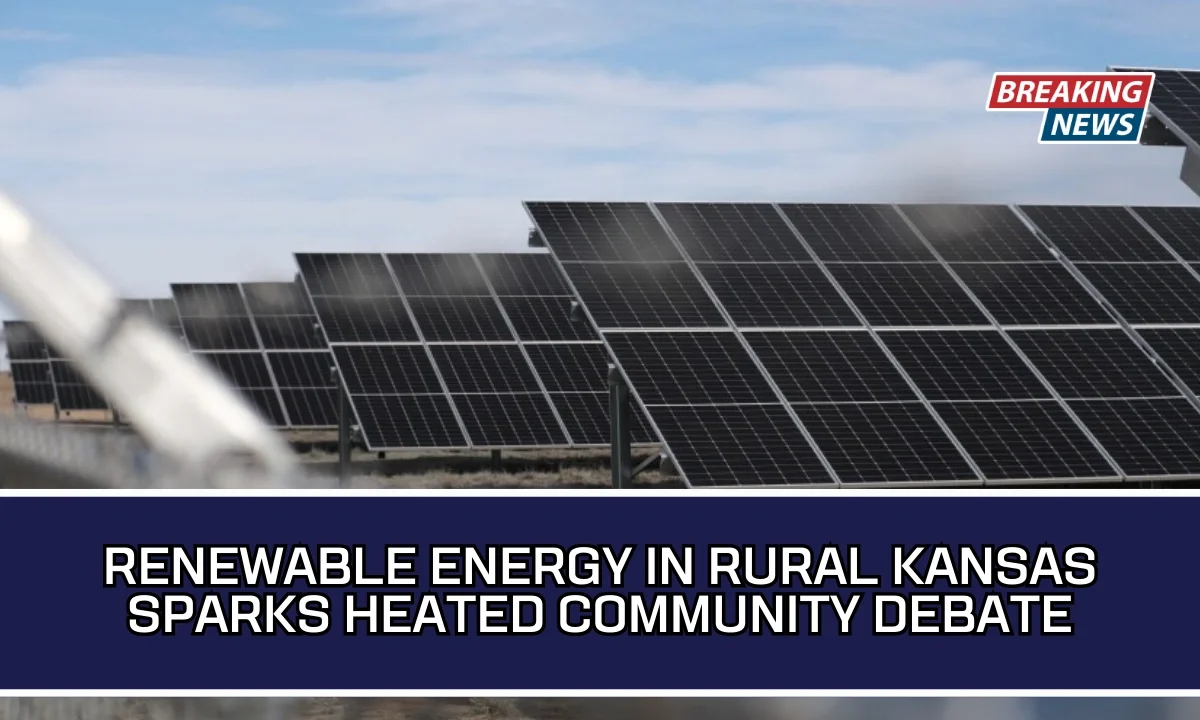
Across the open plains of rural Kansas, tall wind turbines and wide solar panels are becoming a common sight. The state has become one of the leaders in renewable energy, especially wind energy.
While many people see this as a smart step toward clean energy and economic growth, others in small towns are unsure. Some families feel these projects may change their land, their lifestyle, and even their community identity.

The debate over renewable energy in rural Kansas is not just about electricity — it is about trust, tradition, and the future of farming.
The Rapid Growth of Renewable Energy in Kansas
Kansas is well known for its strong winds and wide-open spaces. These natural advantages make it perfect for wind power generation. In recent years, the number of wind farms has increased quickly. At the same time, companies are building more solar energy projects across rural counties.
Energy developers believe Kansas is ideal because:
- The state has steady winds throughout the year
- There is plenty of open farmland
- Solar exposure is strong during many months
- Transmission lines already exist in many areas

Because of this, Kansas now produces a large percentage of its electricity from renewable sources.
Why Rural Communities Are Skeptical
Even though renewable energy brings benefits, not everyone supports these projects. Many residents in small towns have concerns about how wind and solar farms may affect their daily lives.
Main Concerns Raised by Residents
| Concern | Explanation |
|---|---|
| Land Use | Some farmers worry about farmland being used for turbines or solar panels. |
| Property Values | Homeowners fear nearby projects may reduce property prices. |
| Noise and Appearance | Wind turbines may create sound and change the landscape view. |
| Local Control | Residents want more say in where and how projects are built. |
| Environmental Impact | Some question how wildlife and soil health may be affected. |
For many families, farmland has been passed down for generations. When large energy companies offer lease payments, it can create division. Some landowners welcome the extra income, while neighbors may feel uncomfortable with the changes.
Economic Benefits of Wind and Solar Projects

Supporters of renewable energy in Kansas point to several financial advantages. Farmers who lease land for wind turbines often receive steady yearly payments. Counties can also collect higher property taxes, which help fund schools, roads, and emergency services.
Some of the key economic benefits include:
- Long-term lease income for farmers
- Temporary construction jobs
- Increased tax revenue for local governments
- Investment in rural infrastructure
However, critics argue that many renewable energy companies are based outside Kansas. They worry that profits leave the community instead of staying local.
The Role of Local Government
County officials have an important responsibility when it comes to approving renewable energy projects. In some areas, local leaders have placed temporary bans, also called moratoriums, to study the possible impact of wind and solar farms.
Public meetings are often emotional. Some residents speak strongly in favor of clean energy and job growth. Others ask for stricter zoning rules and environmental studies before approval. This shows that the debate is about more than energy — it is about protecting community interests.
Environmental Benefits and Concerns
One major argument in favor of renewable energy is that it reduces carbon emissions and helps fight climate change. Wind and solar power do not rely on fossil fuels like coal or oil. That means cleaner air and less pollution.
Still, some rural residents feel that environmental protection should also include preserving farmland and open landscapes. They believe both clean energy and rural traditions deserve respect.
Searching for Common Ground
The discussion around renewable energy in rural Kansas is complex. Both supporters and skeptics have valid points. Experts suggest that better communication between companies, local governments, and residents could reduce tension.
Possible solutions include:
- Clear zoning and placement rules
- Fair and transparent lease agreements
- Strong environmental protection measures
- Open community discussions before approval
When people feel heard and included, projects may face less resistance.
Renewable energy in rural Kansas continues to expand, but it also faces strong skepticism from local communities. While wind and solar projects offer economic benefits and cleaner energy, concerns about land use, property values, and local control remain significant.
The future of renewable development in Kansas will depend on open communication, fair agreements, and respect for rural traditions. Progress and preservation must work together if renewable energy is to succeed in these communities.