
 Hailey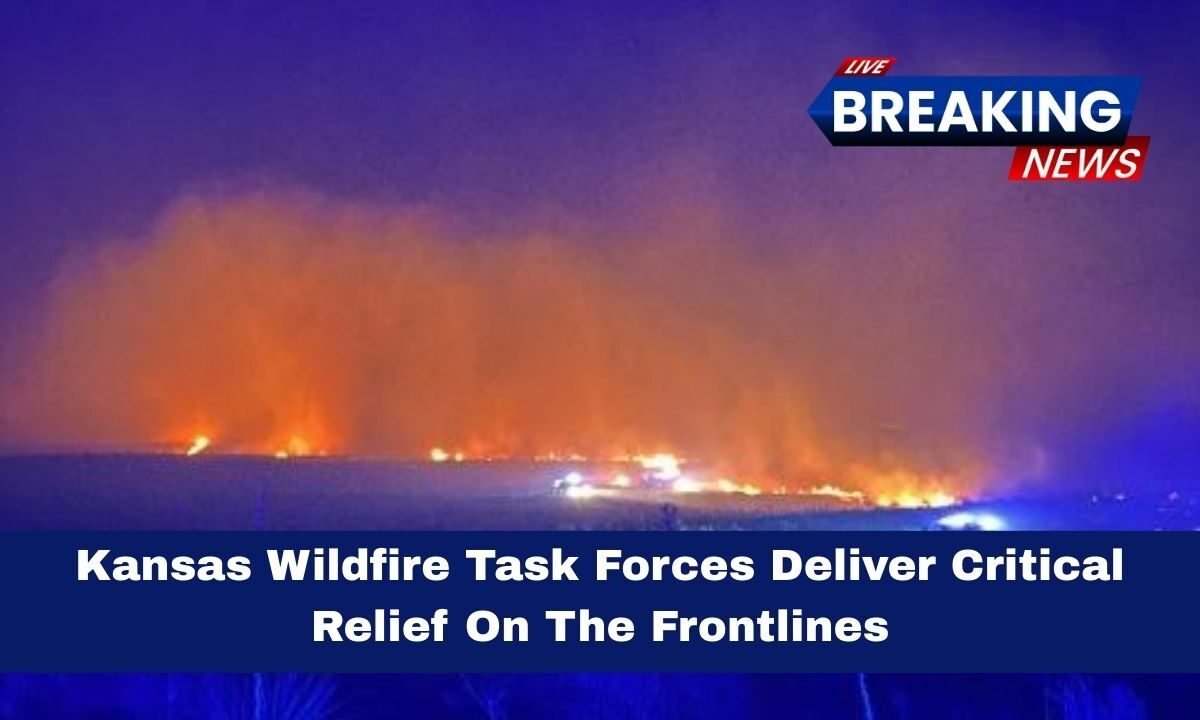
In February 2026, Kansas wildfire task forces have been at the forefront of fire suppression and relief efforts as the massive Ranger Road Fire and other wildfires sweep across southwestern Kansas.
These task forces, including county fire units and the Kansas National Guard, are working tirelessly to protect lives, property, livestock, and infrastructure. This article highlights the wildfire situation, the deployment of task forces, their resources, coordination efforts, and the impact on communities.
Ranger Road Fire Overview

The Ranger Road Fire began in southwestern Oklahoma and quickly spread into Kansas due to strong winds, dry conditions, and low humidity. The fire has burned approximately 283,283 acres, making it one of the largest wildfires in Kansas in 2026.
Evacuation orders were issued for towns such as Ashland and Englewood, with residents moving to shelters for safety. The fire is now partially contained, but ongoing efforts continue to manage its spread.
Deployment of Kansas Wildfire Task Forces
To combat the wildfires, five wildfire task forces have been deployed across Kansas:
- Dickinson County Wildfire Task Force
- Sedgwick County Wildfire Task Force
- Shawnee County Wildfire Task Force
- Johnson County Wildfire Task Force
- Kansas National Guard Wildfire Task Force

These teams consist of trained firefighters and personnel equipped for wildland firefighting, working directly with local fire departments to contain fire lines and provide relief to affected areas.
Task Force Resources and Actions
The task forces are equipped with specialised vehicles and equipment to support frontline operations:
- Firefighters: Trained county and National Guard personnel.
- Brush Trucks: Off-road vehicles designed to navigate rough terrain and combat fire.
- Command Vehicles: Mobile units for coordination and communication.
- Water Tenders: Vehicles transporting water to suppress flames and protect communities.
For example, Dickinson County deployed 11 firefighters, five brush trucks, and a command vehicle to assist in southwest Kansas. These task forces are actively involved in extinguishing hotspots, protecting homes, and managing evacuation zones.
Statewide Coordination and Support

Wildfire relief involves coordination across multiple agencies:
- The Kansas Division of Emergency Management operates the State Emergency Operations Center to direct resources efficiently.
- Highway patrol teams manage evacuations, road closures, and traffic control in affected areas.
- Forest service experts provide technical guidance on wildfire behavior and containment strategies.
- Community organisations offer mass care, shelter, and support for evacuated residents.
This coordinated approach ensures that both human and livestock populations are protected while fire containment progresses.
Impact on Communities and Agriculture
The wildfires have caused significant effects:
- Evacuations: Towns in the fire path were temporarily relocated to safe zones.
- Livestock Losses: Ranchers reported cattle losses, destroyed fencing, and damaged forage.
- Community Aid: Donations of hay, fencing supplies, and financial assistance are being organised for affected ranchers.
- Ongoing Relief Efforts: Shelters, food, and medical care continue to support residents displaced by the fire.
Kansas Wildfire Summary
| Aspect | Details |
|---|---|
| Fire Name | Ranger Road Fire |
| Area Burned | ~283,283 acres |
| Containment Status | Ongoing, partial containment |
| Counties Affected | Clark, Comanche, Meade (KS); parts of Oklahoma |
| Task Forces Deployed | 5 (4 county + National Guard) |
| Firefighter Support | Multiple personnel from counties and National Guard |
| Agencies Involved | Emergency management, forest service, highway patrol, community organisations |
| Evacuated Communities | Ashland, Englewood, surrounding rural areas |
| Community Support | Rancher aid, shelters, donations, medical support |
The Kansas wildfire task forces are playing a crucial role in frontline relief and wildfire suppression. Through collaboration among county units, the Kansas National Guard, state agencies, and community organisations, firefighters are protecting lives, property, and livestock while working to contain the massive Ranger Road Fire.
Coordinated relief efforts, evacuation support, and agricultural aid are key components in helping Kansas communities recover from this wildfire crisis.