Tensions between the United States and Iran have intensified again, even as both sides continue talks aimed at ending the conflict. President Donald Trump announced “major combat operations” against Iran on February 28, followed by large joint U.S.-Israeli strikes on Iranian military, government and infrastructure targets.
Although U.S. and Iranian delegations entered negotiations in June after signing a memorandum of understanding, both countries have continued exchanging limited strikes. The Strait of Hormuz, one of the world’s most important shipping routes, remains the central point of confrontation.
Iran Says U.S.-Iran Memorandum Is in Crisis
Iranian Foreign Ministry spokesperson Esmaeil Baghaei said Monday that the memorandum of understanding between Washington and Tehran has now entered a “crisis stage.”
Speaking at a press conference, Baghaei blamed the latest escalation on what he described as U.S. violations of its commitments. He argued that any parts of the agreement Iran had not fulfilled were a response to actions by the United States.
Oman Talks Focused on Strait of Hormuz
Baghaei also addressed reports that recent weekend talks in Oman covered broader issues, including Iran’s nuclear program.
He said the discussions were focused only on the Strait of Hormuz, not wider nuclear negotiations.
According to Baghaei, Iran’s goal was to work with Oman on a mechanism that would guarantee the safe movement of ships through the Strait. He said no deal was reached because of what he called overt and hidden U.S. pressure on Oman.
Iran Defends Its Actions Around the Strait
Baghaei said Iran continues to follow the Strait of Hormuz clause in the memorandum.
He added that Tehran has both the right and responsibility to take steps it believes are necessary to protect its security and national interests.
He also accused others of misusing the Strait and nearby waters to harm Iran’s interests.
U.S. Warship Presence Criticized by Iran
Iran’s Foreign Ministry spokesperson also criticized the presence of U.S. warships escorting commercial vessels through the Strait.
Baghaei claimed that U.S. naval activity shows Washington is determined to keep instability alive in the region.
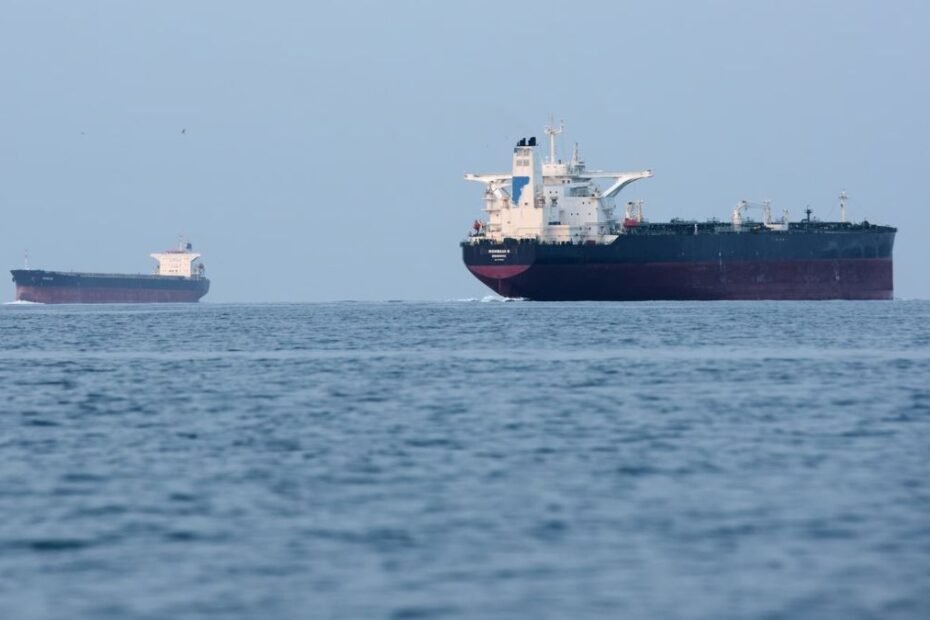
The U.S., however, has said its actions are aimed at keeping the Strait open and protecting commercial shipping. Reuters reported that traffic through the Strait of Hormuz fell to a five-week low after renewed U.S.-Iran strikes raised safety risks for maritime transit.
Iran Defends Attacks on Regional Targets
Baghaei defended Iran’s continuing attacks on neighbouring countries, saying Tehran is targeting only bases, facilities and positions used by the United States to attack Iran.
He said this includes logistical and support facilities connected to U.S. military operations.
Several Gulf and regional countries have reported new security incidents or air defence activity as the conflict spreads beyond Iran’s borders.
Nuclear Program Still Unresolved
The future of Iran’s nuclear program remains one of the biggest unresolved issues in any final peace agreement.
Baghaei dismissed the idea that Rafael Grossi, director general of the International Atomic Energy Agency, would be allowed to access Iranian nuclear facilities.
That position suggests nuclear inspections remain a major obstacle in negotiations.
Kuwait, Jordan and Bahrain Report Security Incidents
Kuwait’s Army Headquarters said Monday that its air defences were again responding to hostile aerial targets inside Kuwaiti airspace.
Jordan’s military said it shot down four Iranian missiles and reported no casualties or damage.
In Bahrain, the Interior Ministry said air defence sirens were activated early Monday, though authorities in Manama did not confirm any new attack.
Iranian State Media Reports Casualties From U.S. Strikes
Iranian state media reported that at least one person was killed and four others were injured in the latest U.S. strikes.
According to FARS, the casualties occurred at an agricultural water pumping station in Mahshahr city. The person killed was identified as the guard of the complex.
CENTCOM Says Strikes Targeted Military Assets
U.S. Central Command said the latest strikes targeted Iranian military assets.
The targets included air defence systems, coastal radar sites, missile and drone capabilities, and small boats.
U.S. officials said the goal was to reduce Iran’s ability to threaten commercial shipping around the Strait of Hormuz.
Iran Accused of Firing on Commercial Vessels
A U.S. official said Iranian forces fired on commercial vessels in the Strait of Hormuz on Sunday while U.S. forces were carrying out strikes against Iranian targets.
The official said U.S. aircraft shot down an Iranian cruise missile and a one-way attack drone that were targeting the vessels.
It was not immediately clear whether any commercial ships were damaged in the incident.
U.S. Launches New Strikes Near Hormuz
The United States carried out another round of strikes on Iranian targets Sunday, according to a U.S. official cited by ABC News.
The targets reportedly included Iranian air defence systems and Islamic Revolutionary Guard Corps small boats near the Strait of Hormuz.
The official said no U.S. service members were injured during the strikes.
Strait of Hormuz Remains Critical to Global Trade
The Strait of Hormuz is a narrow but vital waterway for global oil and gas shipments.
Any disruption there can affect energy markets, shipping costs and regional security.
AP reported that the United States and Iran are now openly competing over control and access in the waterway, with both sides framing their actions as defensive.
The U.S.-Iran conflict has entered a dangerous new phase, with the Strait of Hormuz at the centre of military, diplomatic and economic tension.
Iran says the memorandum of understanding is in crisis and blames Washington for violating its commitments, while the U.S. says its strikes are meant to protect commercial shipping and weaken Iran’s ability to threaten the waterway.
With nuclear inspections unresolved, regional countries reporting new attacks, and shipping traffic under pressure, the fragile peace process faces growing uncertainty.