
 Hailey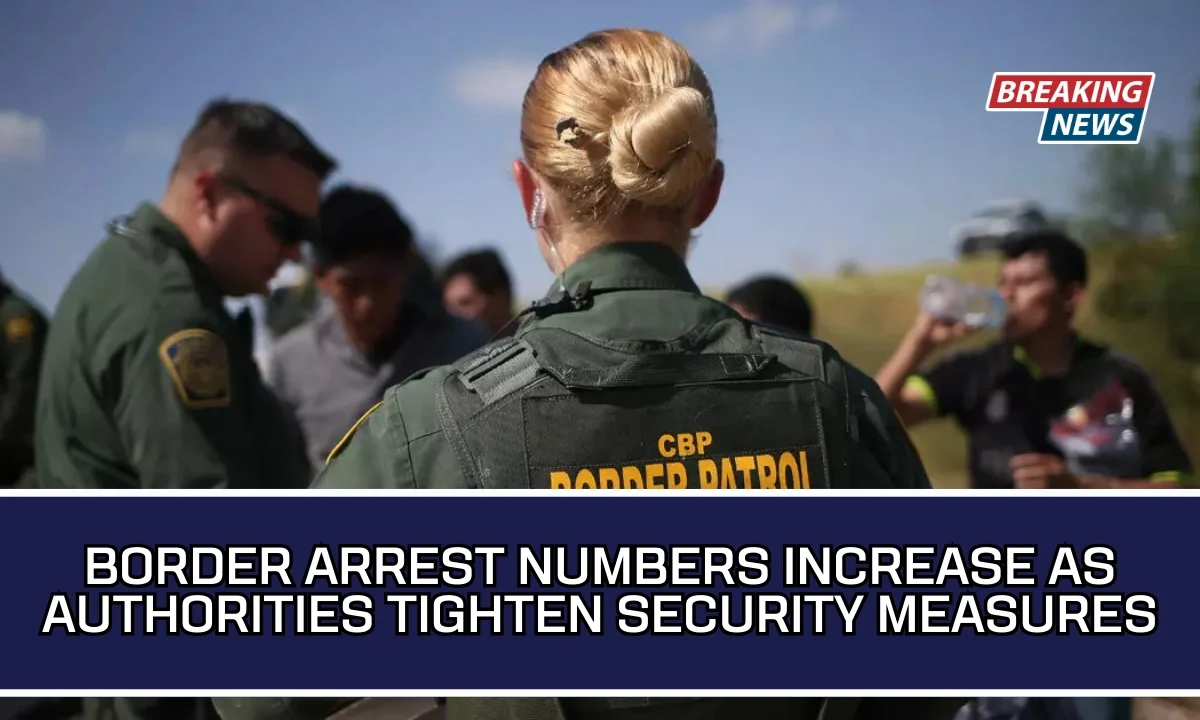
Understanding what happens beyond the border is important because it affects safety, migration, and international relations. In recent years, border arrests have become a major topic in news reports.
Many people see headlines but do not fully understand what these arrests mean, why they happen, or who is affected. This article explains the real story behind beyond-the-border arrests in a clear, simple, and easy way.
What Does “Beyond the Border Arrests” Mean?

Beyond the border arrests refer to people being detained by authorities either near international borders or just after crossing them. These arrests usually involve individuals who enter a country without proper documents or violate immigration laws.
These arrests are not always about crime. In many cases, they involve:
- People seeking work
- Families looking for safety
- Individuals escaping poverty or violence
Why Are Border Arrests Increasing?
There are several clear reasons behind the rise in border arrests.
Stronger Border Security

Governments are using:
- More patrol officers
- Advanced surveillance tools
- Better coordination between agencies
This makes it easier to detect and stop unauthorized crossings.
Economic and Social Pressure
Many people cross borders due to:
- Job shortages
- High living costs
- Political or social instability

When conditions worsen in one region, migration attempts increase, leading to more arrests.
Policy Changes
New or stricter immigration policies often result in:
- Faster detentions
- Fewer legal entry options
- Increased enforcement actions
Who Is Most Affected by These Arrests?
The people affected by beyond the border arrests are usually:
- Migrant workers
- Asylum seekers
- Families traveling together
- Young individuals searching for better futures
Most are not criminals, but are treated as law violators due to immigration rules.
What Happens After an Arrest?
After arrest, individuals usually go through a legal process.
Common Steps After Arrest
- Identity verification
- Temporary holding or detention
- Legal review or interview
- Release, deportation, or asylum review
Border Arrest Process at a Glance
| Step | What Happens |
|---|---|
| Detention | Person is taken into custody |
| Screening | Identity and background checked |
| Legal Review | Case examined by authorities |
| Decision | Release, deportation, or further review |
Impact of Border Arrests on Communities
On Migrants
- Emotional stress
- Family separation
- Uncertain future
On Border Regions
- Increased pressure on local services
- Overcrowded detention centers
- Economic strain
On Governments
- Higher enforcement costs
- Legal and humanitarian responsibilities
- Public and political pressure
Are Border Arrests the Only Solution?
Many experts believe arrests alone are not enough. Long-term solutions may include:
- Legal migration pathways
- International cooperation
- Economic development programs
- Faster asylum processing
The story behind beyond the border arrests is more complex than headlines suggest. These arrests are often driven by economic hardship, safety concerns, and strict immigration rules rather than criminal intent.
While governments focus on security and enforcement, migrants continue to search for better lives. Understanding both sides helps create informed discussions and balanced solutions.
Border arrests are not just about law enforcement—they are about people, policies, and global challenges that require thoughtful and humane responses.