
 Hailey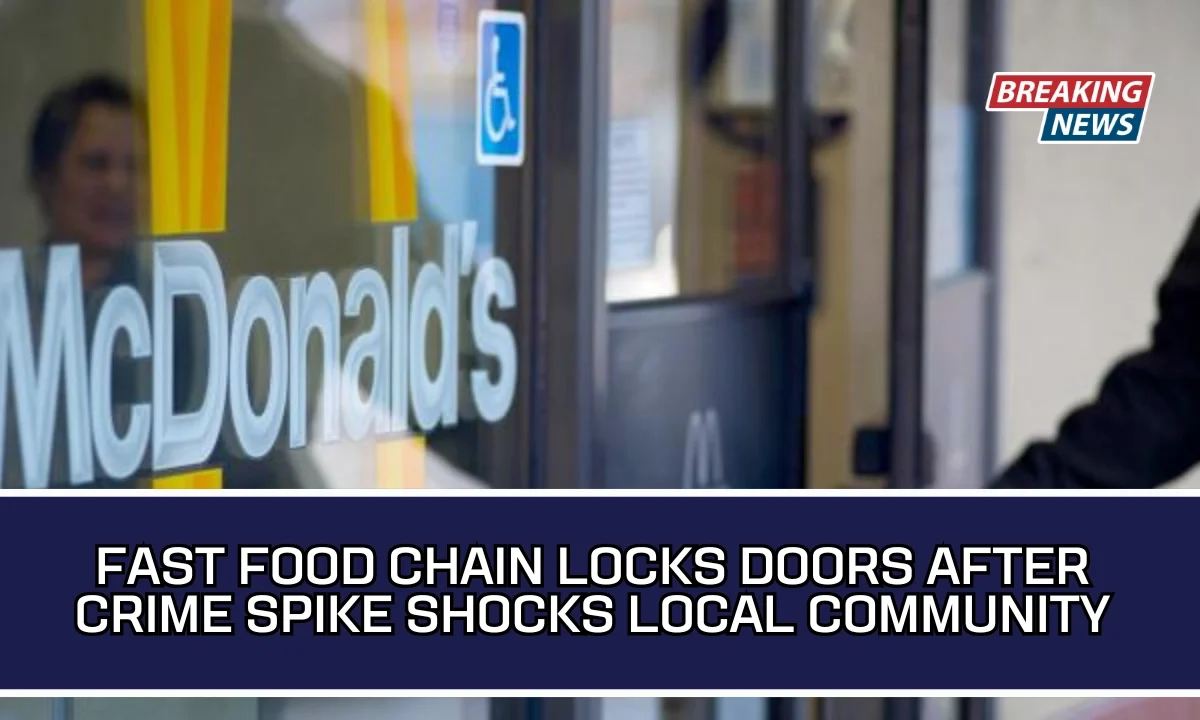
A well-known fast food chain has taken a strict and unusual step after crime levels in the surrounding area became too dangerous.
To protect workers and customers, the restaurant has introduced a “no door” policy, meaning people can no longer walk inside the store. Instead, customers must order food using drive-thru services, delivery apps, or pickup windows.

This decision has sparked debate online. Some people understand the safety concerns, while others worry about what this says about crime and public safety. This article explains what the no door policy means, why it was introduced, and how it affects customers, workers, and the community.
What Is the ‘No Door’ Policy?
The no door policy means that the restaurant keeps its front doors locked at all times. Customers are not allowed to enter the building for dining, ordering, or waiting.
How Customers Can Order Food
Even though the doors are closed, the restaurant is still operating. Customers can place orders through:
- Drive-thru lanes
- Mobile apps
- Online food delivery services
- Pickup windows

This system helps the business stay open while reducing safety risks inside the store.
Why Did the Fast Food Chain Take This Step?
Rising Crime in the Area
The main reason for the policy is severe crime in the surrounding neighborhood. According to reports, the area has seen:
- Frequent thefts
- Armed robberies
- Physical assaults
- Threats toward staff
These incidents often happened inside or near the restaurant, putting employees and customers in danger.
Protecting Workers and Customers

Restaurant management said the decision was made after multiple safety incidents. Workers reportedly felt unsafe during shifts, especially at night. The company stated that employee safety is their top priority.
How This Policy Affects Employees
Improved Safety for Staff
For employees, the no door policy reduces direct contact with dangerous situations. Locked doors mean:
- Fewer chances of robbery
- Less risk of physical harm
- Better control over who interacts with staff
Many workers have said they feel more secure since the change.
Challenges for Daily Operations
However, employees also face challenges such as:
- Handling angry customers
- Explaining the policy repeatedly
- Managing higher delivery and drive-thru demand
Despite this, most workers agree that safety comes first.
Customer Reactions to the No Door Policy
Mixed Public Response
Customers have shared mixed opinions online:
Supporters say:
- Safety is more important than convenience
- Workers deserve protection
- Crime forced the restaurant’s hand
Critics say:
- It feels unwelcoming
- Walk-in customers are excluded
- The policy highlights bigger crime problems
Some customers also worry about elderly people or those without cars who cannot use drive-thru services.
Is This Becoming a Common Trend?
Other Businesses Taking Similar Steps
This is not the first time a business has limited public access due to crime. Other safety measures seen in high-crime areas include:
- Bullet-resistant glass
- Security guards
- Limited hours
- App-only ordering
Experts say more businesses may adopt similar policies if crime continues to rise.
Key Details at a Glance
| Feature | Details |
|---|---|
| Policy Name | No Door Policy |
| Reason | High crime and safety threats |
| Customer Access | Drive-thru, delivery, pickup window |
| Walk-in Dining | Not allowed |
| Main Goal | Protect staff and customers |
What This Says About the Community
The introduction of a no door policy highlights a larger issue. When businesses feel unsafe opening their doors, it shows how deeply crime affects daily life. Community leaders and residents are now asking for:
- Stronger policing
- Better lighting and security
- Long-term crime prevention plans
Many believe that businesses should not have to choose between profit and safety.
The fast food chain’s no door policy is a serious response to ongoing crime problems in the area. While it limits customer access, it helps protect workers and keeps the business running. This move shows how safety concerns can force major changes in everyday services.
In the long term, real solutions will require community support, better security, and efforts to reduce crime so businesses can operate normally again.