
 Hailey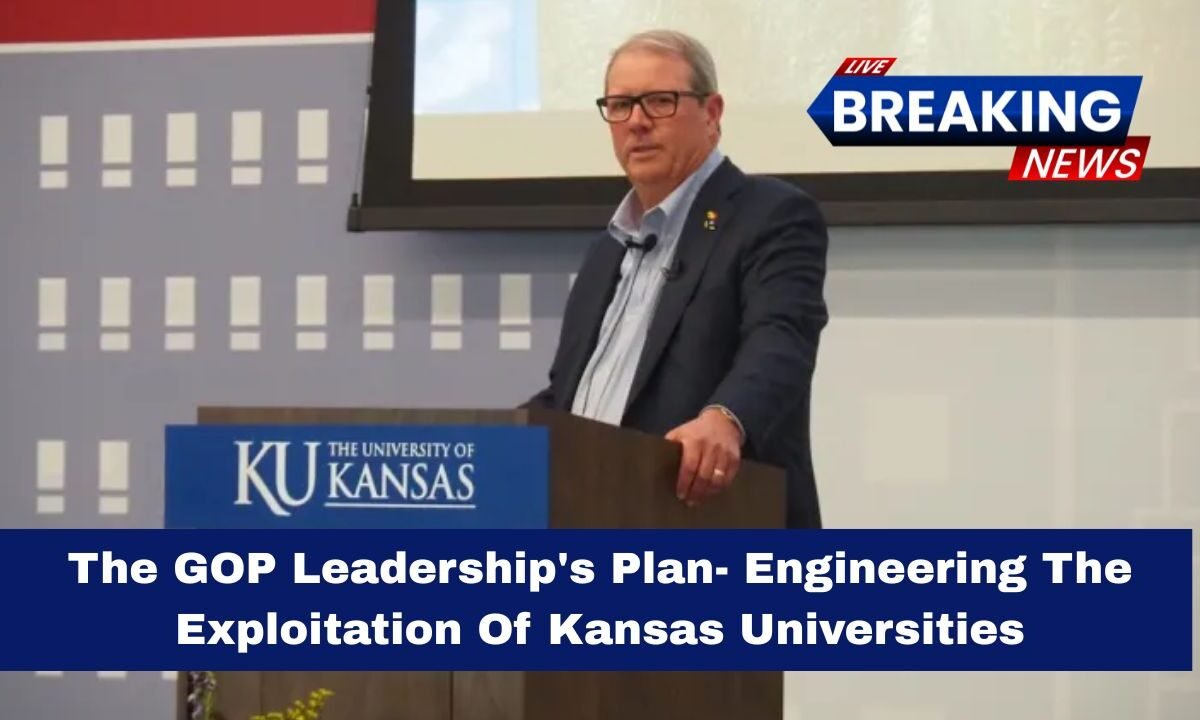
The controversial “Knucklehead Agenda” refers to the actions taken by GOP leaders in Kansas who have pushed for significant cuts and restructuring within the state’s public university system.
This debate has reached new heights in early 2026, as Republican legislative leaders advocate for budget reductions, staffing changes, and new oversight that could dramatically reshape Kansas’ higher education landscape.

This article will break down the details, facts, and figures of this developing situation.
Understanding the GOP-led Budget Moves in Kansas
Kansas Republican leaders are pushing for cuts to state funding for universities as part of a broader fiscal tightening strategy.
They argue that public universities must streamline operations, cut “ineffective” programs, and adjust to a tighter state budget forecast.

In early January 2026, the Kansas House Higher Education Budget Committee met to review budget requests from major public universities such as:
- University of Kansas (KU)
- Kansas State University (K-State)
- Wichita State University
- Fort Hays State University
- Pittsburg State University
- Emporia State University
These universities have submitted their funding requests, which are being scrutinized by the Republican-controlled committee.
The GOP leadership has expressed support for reducing overall spending and reallocating funds to other areas, emphasizing a need for universities to focus on their core missions while cutting unnecessary costs.
What Critics Mean by “Knucklehead Agenda”

Critics of the GOP-led budget cuts have termed these actions the “Knucklehead Agenda”, suggesting that these decisions are reckless and politically motivated, with a focus on undermining the state’s public universities.
According to these critics, the cuts could:
- Limit educational offerings
- Reduce support services for students
- Weaken research programs
- Hinder enrollment growth
- Negatively impact the state’s economy
- Erode public trust in the state’s educational institutions
These actions are seen as politically driven, with some critics arguing that Republican leaders are using the university budget as a tool to consolidate power and implement ideological changes.
Budget Cuts, Oversight, and Scrutiny of University Spending
In addition to proposing cuts to general university funding, the GOP-led legislature has also focused on scrutinizing specific university expenditures.
Republican leaders have raised concerns over what they have labeled “questionable spending”. For example, some universities have been flagged for:
- $37,485 spent on software subscriptions
- $8,350 spent on golf equipment
- $40,000 spent on consulting services
- $65,250 for a jazz performance
- Expenditures for limousine services
This scrutiny of spending has led to increased pressure on universities to justify their financial allocations, particularly those that some view as frivolous or excessive.
The push for greater oversight is part of the broader effort to rein in what GOP leaders see as inefficient spending in state-run institutions.
Key Facts and Figures
Below is a summary table of important facts and details about the current budget situation and university expenditures in Kansas:
| Topic | Details / Figures |
|---|---|
| Primary issue | GOP-led budget cuts and increased oversight of Kansas universities |
| Key universities involved | University of Kansas, Kansas State, Wichita State, Fort Hays, Pittsburg State, Emporia State |
| GOP strategy hire | Former university president hired to help guide budget cuts |
| Expenditure scrutiny | Spending on items such as jazz performances, golf equipment, consulting |
| Political divide | Republicans advocate cuts, while Democrats push for preserving education funding |
| Funding focus | Redirection of funds from non-essential programs to core educational priorities |
Political and Economic Backdrop
The current debate over Kansas’ public university funding is not just about education — it is deeply tied to the state’s economic strategy. Republican tax policies and earlier decisions to cut state taxes have contributed to budget deficits, leading to the need for tighter fiscal management.
As the state grapples with lower revenue forecasts, the education system is being asked to shoulder the burden of these economic challenges.
The moves made by GOP leaders in Kansas represent a crucial moment for public universities.
While some argue that these cuts and reforms are necessary for fiscal responsibility, others fear that the long-term consequences will harm the quality of education and economic opportunities for future generations.
As the 2026 legislative session unfolds, the debate will likely continue to heat up, with Kansas’ higher education system at the center of this political and fiscal battle.