
 Hailey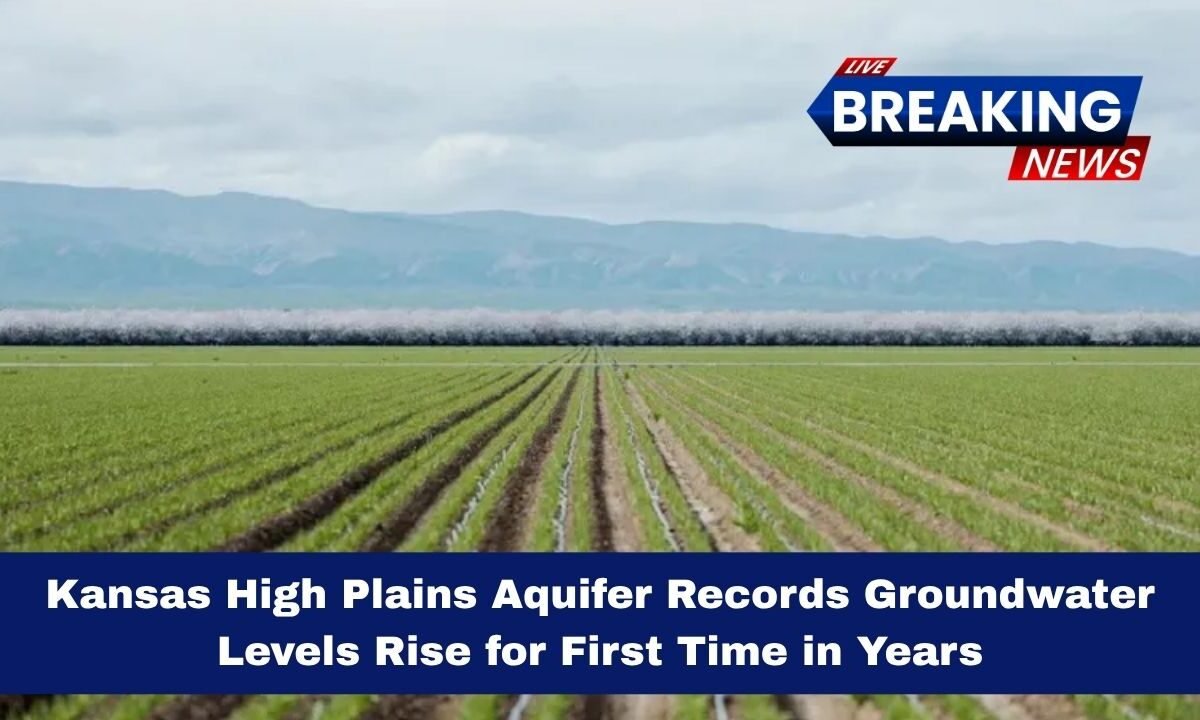
In a rare and positive development, the High Plains Aquifer in Kansas has shown a noticeable increase in groundwater levels after many years of steady decline.
This is a major update for farmers, communities, and policymakers because this aquifer is one of the most important water sources in the region.

While the increase is encouraging, experts say it is only a small step toward solving long-term water challenges.
What Is the High Plains Aquifer and Why It Matters
The High Plains Aquifer, also called the Ogallala Aquifer, is one of the largest underground water systems in the world. It stretches across multiple U.S. states, including Kansas, and plays a critical role in supporting agriculture and daily water needs.
In Kansas:
- Nearly 90% of water use depends on groundwater
- About 85% of groundwater is used for irrigation

This makes the aquifer essential for farming, especially for crops like wheat, corn, and soybeans.
Groundwater Levels Rise in Kansas
Recent measurements show that groundwater levels in Kansas have increased for the first time in several years.
- Average rise: around 2.5 feet in 2025
- Marks the first meaningful increase after long-term decline
Why Did Levels Increase?
The main reason behind this improvement is better rainfall conditions during the year:
- Rainfall was higher than usual
- It came at the right time for crop growth
- Farmers relied less on groundwater pumping

This allowed the aquifer to recover slightly, reducing the pressure caused by irrigation.
Key Facts About Kansas High Plains Aquifer
| Factor | Details |
|---|---|
| Groundwater rise | ~2.5 feet (2025) |
| Main reason | Increased and timely rainfall |
| Water dependency | 90% groundwater usage |
| Irrigation share | 85% of groundwater use |
| Long-term trend | Continuous decline for decades |
| Severe depletion areas | Up to 60% loss in some regions |
| Recharge speed | Very slow natural process |
Long-Term Decline Still a Concern
Despite this improvement, the long-term situation remains serious:
- Groundwater levels have been declining since the mid-1900s
- Some regions have lost more than half of their water reserves
- The aquifer recharges very slowly, making recovery difficult
This means one year of improvement cannot reverse decades of overuse.
How Groundwater Is Monitored
Water experts regularly track groundwater levels to understand trends:
- Around 1,400 wells are monitored each year
- Data is collected across dozens of counties in Kansas
- Measurements are usually taken in winter months when irrigation is low
This monitoring helps guide water policies and conservation efforts.
Why This Matters for Kansas Economy
The aquifer plays a huge role in Kansas’ economy:
- Supports large-scale agriculture
- Helps maintain food production
- Provides water for communities and industries
Without stable groundwater levels, farming output and local economies could suffer.
What Happens Next?
The future of the aquifer depends on two key factors:
1. Weather Patterns
- Continued rainfall could help maintain or increase levels
- Drought conditions could quickly reverse gains
2. Water Management
- Efficient irrigation methods
- Reduced water extraction
- Long-term conservation strategies
Experts stress that sustainable use is the only way to protect this resource.
The rise in groundwater levels in the Kansas High Plains Aquifer is a hopeful sign after years of decline. A 2.5-foot increase shows that favorable weather and reduced usage can make a difference.
However, the aquifer still faces serious long-term challenges due to decades of heavy water use. This recovery should be seen as an opportunity for better planning and smarter water management.
If Kansas continues to improve conservation efforts and receives supportive weather conditions, there is a chance to stabilize the aquifer. But without consistent action, the gains seen today could quickly disappear in the future.