
 Hailey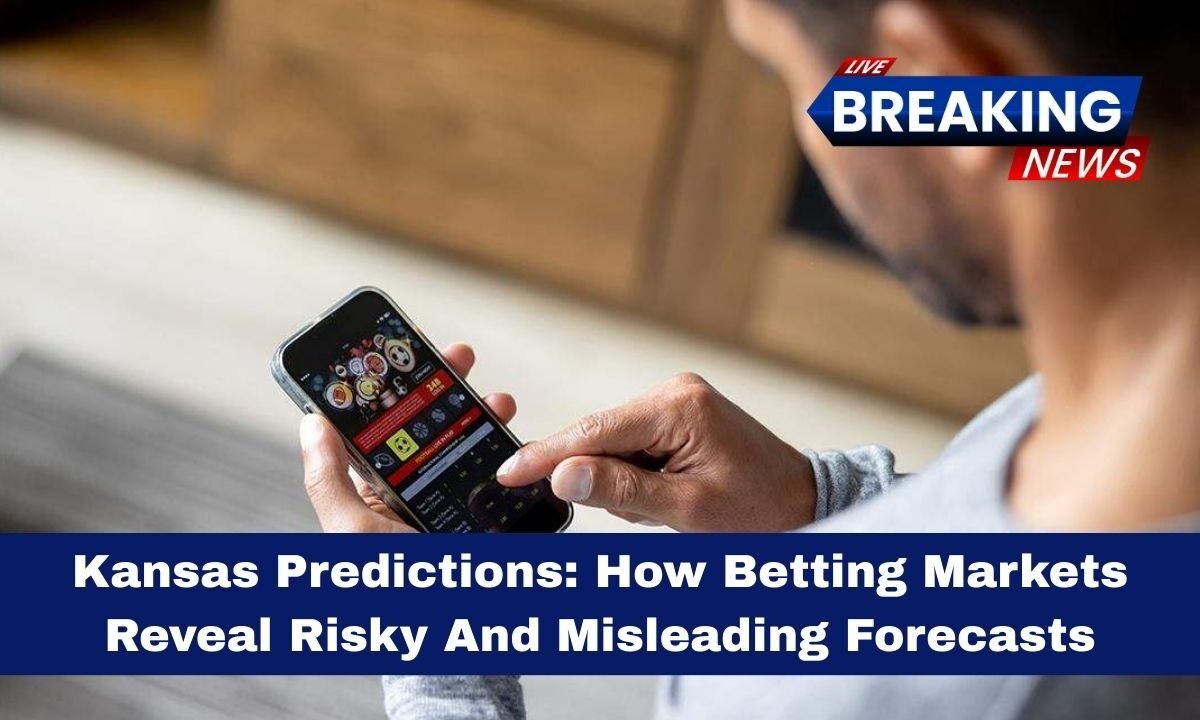
In Kansas, a new cultural and economic debate is heating up around prediction markets — online platforms where people place wagers on real‑world events.
These markets let users bet on outcomes like future elections, policy decisions, and other unpredictable events. As these platforms gain attention, they raise important questions: Are they useful forecasting tools? Or do they encourage harmful speculation and blur lines with gambling?
Prediction markets have sparked interest across the United States, but Kansas is now a central point of discussion because many residents are noticing how these wagers deliver bold predictions about what will happen next in politics, society, and culture.
What Are Prediction Markets?
Prediction markets are online systems where users buy and sell contracts tied to future events. Each contract represents the likelihood of a specific outcome. For example:
- A contract might be about whether a certain candidate will win an election.
- Prices move based on how traders think the event will unfold.
- A price close to 1.00 means a high chance of occurring.
- A price close to 0.00 means a low chance.
These markets use simple trading systems similar to stock markets, but instead of company performance, the focus is on future events.
Why Kansas Is Central to This Debate

Kansas has become a focal point for the prediction market discussion for several key reasons:
- Political Interest: Kansas citizens are closely watching how markets price outcomes related to local and national elections.
- Public Awareness: Local commentators and community leaders are debating whether these markets help or harm public understanding.
- Cultural Impact: There is concern that prediction markets, by turning public events into bets, may shift how people view civic responsibility and decision‑making.
The key question troubling many Kansans is: Does turning predictions into wagers over‑simplify complex issues and encourage a gambling mindset in serious civic matters?
How Prediction Markets Work — Key Details and Figures
Here’s a breakdown of how these systems function in practice:
| Feature | Explanation |
|---|---|
| Contract Price Range | 0.00 to 1.00, representing the probability of an event |
| Wager Value | Traders spend real money to buy or sell contracts |
| Payout | If the event happens, winning positions pay out; if not, they expire worthless |
| Event Types | Elections, economic forecasts, policy decisions, entertainment events |
| User Motivation | Some trade for profit, others to gauge public sentiment |

This table summarizes the core mechanics of prediction markets that influence how they are viewed in Kansas today.
Positive Claims: Why Some Support Prediction Markets
Supporters argue that prediction markets can be beneficial:
- Real‑Time Forecasting: Prices reflect what many people collectively believe will happen.
- Public Engagement: These platforms may spark interest in current events.
- Better Signals: In some cases, they react faster than traditional polls or expert predictions.
Many users see this as an efficient way to aggregate opinion and generate quick feedback about future outcomes.
Criticisms: The Damaging Side of Wagers
Despite their appeal, prediction markets face deep criticism in Kansas and nationwide:
1. Gambling Concerns
Many argue these markets are functionally gambling platforms that encourage users to risk money for entertainment, not serious insight.
2. Misleading Confidence
Market prices can create false certainty, leading people to believe a particular event is more likely than it really is.
3. Cultural Shift
Critics worry that treating real‑world outcomes as bets may diminish thoughtful civic participation. When elections and policy decisions are priced like sports events, the focus can shift from informed choice to speculation.
The Future of Prediction Markets in Kansas
As prediction markets grow, Kansas faces important decisions:
- Should state laws clarify how these markets are treated?
- Are stronger protections needed for participants?
- Can prediction markets coexist with responsible civic behavior?
What will happen next in Kansas is not yet clear — but prediction markets are shaping how people think, wager, and forecast the future.
Prediction markets in Kansas offer a glimpse into future events, from elections to culture, but they also carry risks like gambling, misinformation, and false certainty.
The state must decide whether to embrace these platforms as tools for forecasting or enforce regulations to protect citizens. How Kansas responds will shape whether prediction markets become a useful insight or a harmful distraction.