
 Hailey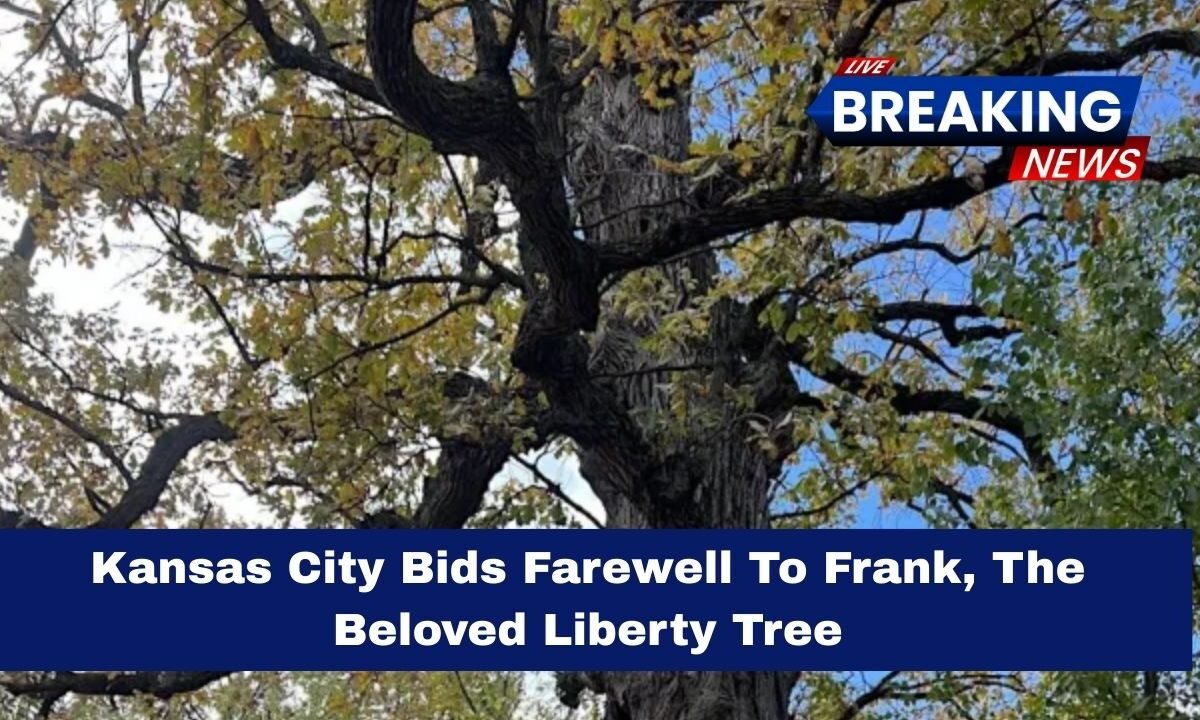
For generations of residents in Kansas City’s Historic Northeast, one tree stood as a silent witness to history. Frank, a massive burr oak, was more than just part of the landscape. He was a living reminder of the past, rooted in the neighborhood for more than 250 years—long before Kansas City became a city and even before the founding of the United States.
Families used Frank as a meeting point. Children learned about local history under his branches. Longtime residents often described him as a neighbor rather than a tree, symbolizing continuity, resilience, and community pride.
Where Frank Stood And His Historical Significance

Frank stood at 328 Monroe Avenue in Kansas City, Missouri. Over time, he became known as a Liberty Tree, a title used to honor trees that were alive during the era of American independence. Community members preserved plaques and documentation recognizing his estimated origin around 1776, reinforcing his place in local and national history.
One striking detail captured everyone’s attention: it took seven adults holding hands to wrap their arms around Frank’s enormous trunk, highlighting just how rare and old the tree truly was.
What Led To Frank’s Decline
Frank’s removal was not sudden. Over recent years, the tree suffered a combination of natural stresses. A lightning strike damaged parts of the trunk, opening the way for fungal disease and internal rot. These issues slowly weakened the tree from the inside out.

The most serious concern involved the root system. Experts determined the roots were no longer strong enough to safely anchor such a massive tree. With nearby homes, sidewalks, and utility lines at risk, officials concluded that Frank posed a growing safety hazard.
The Community Farewell
Before Frank was removed, the neighborhood came together to say goodbye. Residents gathered for a farewell event, sharing stories, photos, and memories. Many described growing up with Frank in their daily lives—walking past him on the way to school, using him as a landmark, or simply enjoying the shade he provided during hot summers.
This moment of collective reflection turned Frank’s removal into a shared community experience rather than a quiet loss.
Removal Timeline And Process

The removal process began in mid-January 2026. Because of Frank’s size and location, crews had to dismantle the tree carefully, section by section. The work started early in the morning and was expected to take several days to complete, ensuring nearby homes and infrastructure remained protected.
What Happens To Frank’s Wood
Frank’s legacy will continue in tangible ways. Portions of the wood are planned to be preserved and repurposed into benches, plaques, and community keepsakes. These items will allow future generations to physically connect with a tree that once stood for centuries.
Local artisans and milling specialists volunteered to help ensure as much usable wood as possible is saved rather than discarded.
Key Facts About Frank The Liberty Tree
| Detail | Information |
|---|---|
| Name | Frank |
| Tree Type | Burr oak |
| Location | 328 Monroe Avenue, Kansas City, MO |
| Estimated Age | 250+ years |
| Historic Title | Liberty Tree |
| Trunk Size | Seven people to encircle |
| Removal Period | January 2026 |
| Reason For Removal | Fungal disease and unstable roots |
| Future Use Of Wood | Benches, plaques, keepsakes |
Frank’s removal marks the end of an era for Kansas City’s Historic Northeast, but not the end of his story.
For over two centuries, this Liberty Tree connected generations, witnessed history, and shaped a neighborhood’s identity.
While safety concerns made removal unavoidable, the care taken to honor Frank shows how deeply he was valued. Through preserved wood, shared memories, and community pride, Frank the Liberty Tree will continue to stand—this time in the hearts of Kansas City residents.