
 Hailey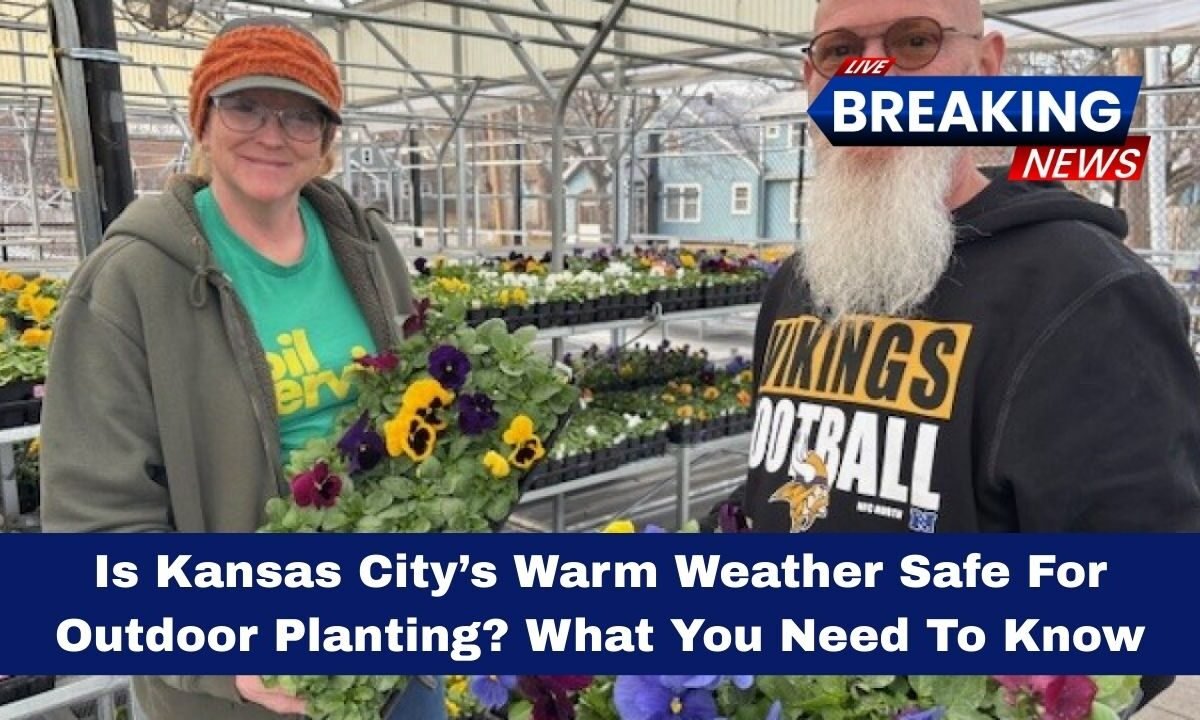
Kansas City has recently experienced an unusual stretch of warm late-winter weather, with temperatures climbing well above seasonal averages. In fact, temperatures reached 76°F in February, breaking a local record that had stood for more than 80 years. With sunny skies and spring-like warmth, many residents are wondering: Is it finally time to start planting outside?
While the warm spell is encouraging, gardening experts say it’s important to look beyond short-term temperature spikes. Understanding frost dates, soil temperatures, and Kansas City’s hardiness zone is essential before planting outdoors.
Kansas City’s Recent Temperature Spike

The recent high of 76°F in late winter is significantly warmer than typical February averages in Kansas City, which usually range in the 40s to low 50s°F. Such early warmth can trigger budding trees, blooming shrubs, and early grass growth.
However, brief warm periods do not eliminate the risk of late frost events, which are still common in the region during March and even April.
Kansas City Hardiness Zone And Frost Risk
Kansas City falls within USDA Hardiness Zone 6b, meaning winter lows can drop between 0°F and 10°F. This classification helps gardeners determine what plants can survive local winter conditions.

More importantly, the average last frost date in Kansas City typically falls between April 10 and April 20. Even after warm February or March days, overnight temperatures can still dip below freezing.
Planting tender crops too early may result in:
- Frost damage
- Stunted growth
- Complete plant loss
What The Numbers Mean For Gardeners
Below is a quick reference table to help understand planting timing in Kansas City:
| Gardening Factor | Key Information |
|---|---|
| Recent Record Temperature | 76°F in February |
| Typical February High | 40s–50s°F |
| USDA Zone | 6b |
| Winter Low Range | 0°F to 10°F |
| Average Last Frost Date | April 10–20 |
| Safe Time For Warm-Season Crops | Early May |

This table shows why warm weather alone is not enough to guarantee safe planting conditions.
What You Can Plant Right Now
Even though it may be too early for summer vegetables, some plants can tolerate cooler soil and mild frost.
Cool-Season Vegetables
You may consider planting:
- Lettuce
- Spinach
- Peas
- Radishes
- Kale
These crops thrive in cooler temperatures and can handle light frost.
Hardy Flowers
Flowers such as pansies and violas are more resistant to temperature swings and can survive cooler nights.
Garden Preparation
If you’re eager to get started, now is a great time to:
- Prepare and test soil
- Add compost
- Clean up garden beds
- Start seeds indoors
What To Wait On
It is still too early for warm-season vegetables such as:
- Tomatoes
- Peppers
- Basil
- Cucumbers
- Corn
These crops require consistently warm soil and air temperatures. Planting them before early May increases the risk of frost damage.
Why Warm Spells Can Be Misleading
A single warm week does not signal the official start of spring. Kansas City weather patterns often include temperature swings. It is common for February or March to bring another freeze or frost event after a warm period.
Early budding plants are particularly vulnerable if a sudden cold front arrives.
Should You Plant Outside Now?
The answer depends on what you’re planting.
If you are planting cool-season crops, you can cautiously begin once soil is workable.
If you are planning to plant summer vegetables or tropical plants, it is best to wait until after the last frost window — typically around late April to early May.
Patience now can prevent costly replanting later.
Kansas City’s recent warm weather is exciting and feels like an early start to spring. However, a record-breaking 76°F day does not eliminate the risk of frost. With the average last frost date falling between April 10 and April 20, gardeners should remain cautious.
Use this warm stretch to prepare soil, start seeds indoors, and plant hardy crops only. Waiting until early May for warm-season vegetables will give your garden the best chance of thriving.
Planning based on hardiness zone guidance and frost averages, not just a few warm days, is the smartest approach for Kansas City gardeners.