
 Hailey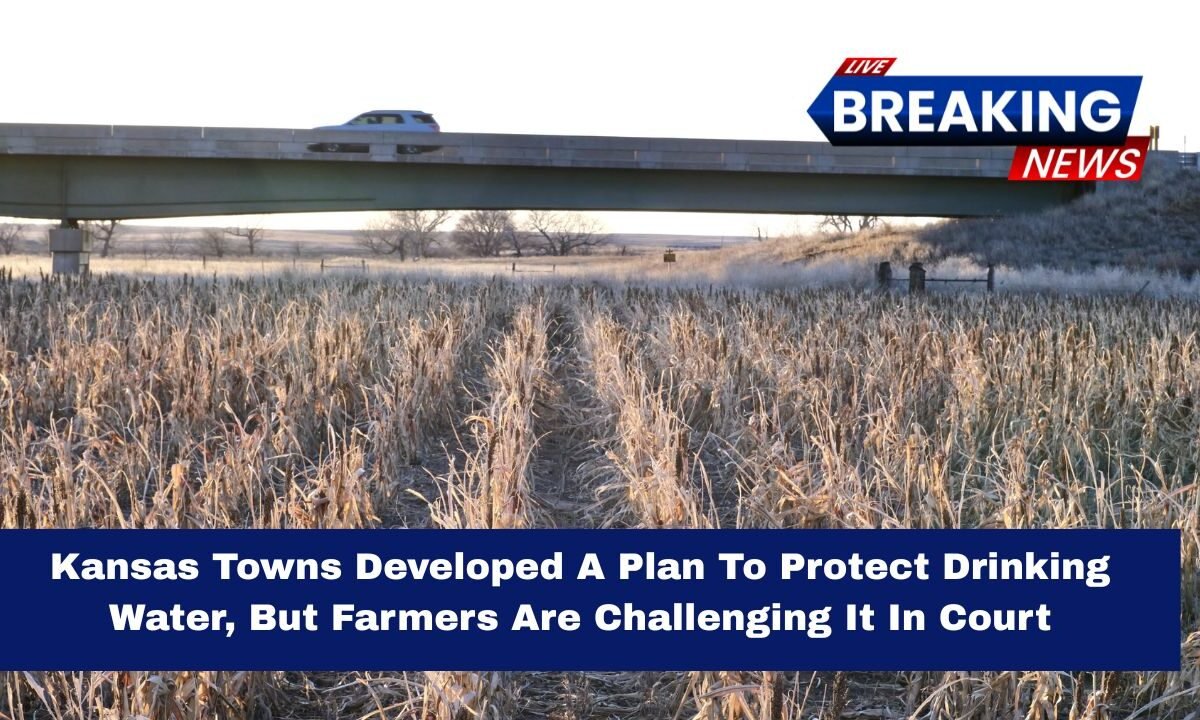
In western Kansas, groundwater is the backbone of everyday life. It supplies drinking water to towns and fuels large-scale agriculture, especially irrigation-dependent crops like corn and wheat.
As rainfall becomes less reliable and aquifer levels slowly decline, communities are being forced to plan decades ahead.

Two cities — Hays and Russell — developed a long-term strategy to protect their future drinking water supply.
That plan, however, has triggered a major legal fight with farmers who say it threatens rural water security and sets a dangerous precedent for moving water out of agricultural areas.
What The Drinking Water Plan Proposes
The plan centers on pumping groundwater from land the cities already own in Edwards County, then transporting it by pipeline more than 70 miles to municipal systems in Hays and Russell.

Key details of the plan include:
- The cities purchased a large ranch property in the 1990s, specifically to secure future water access.
- The land includes 32 groundwater rights, originally used for irrigation.
- State approval was later granted to convert those rights to municipal use, allowing water to be pumped for drinking rather than farming.
- City leaders argue the pipeline is essential to avoid future shortages as local well levels decline.
Officials emphasize the project is designed for long-term resilience, not immediate expansion, and would help ensure clean, reliable drinking water for thousands of residents.
Why Farmers Are Challenging The Plan In Court
Local irrigators strongly oppose the pipeline. Many are represented by the Water Protection Association of Central Kansas, commonly known as WaterPACK.

Farmers argue that:
- Removing groundwater from Edwards County could accelerate aquifer decline.
- Lower water levels may increase pumping costs, forcing deeper wells and higher energy use.
- Reduced water availability could harm crop yields and long-term farm viability.
- Allowing cities to export water could open the door for similar projects across rural Kansas.
Agriculture already accounts for roughly 85% of statewide water use, and in parts of western Kansas, that share rises close to 95%. Farmers say even small additional withdrawals can have major long-term effects.
The Legal Questions At The Center Of The Case
The court dispute focuses on how Kansas law defines water rights and impairment.
Major legal arguments include:
- Whether changing water use from irrigation to municipal supply unfairly impacts neighboring water-right holders.
- Whether a project can be blocked without clear proof of immediate harm.
- Whether lowering groundwater levels alone is enough to deny a permit under Kansas statutes.
Supporters of the cities say opponents have not demonstrated measurable damage and point out that studies suggest farming costs may not increase significantly for decades.
Opponents counter that water loss is cumulative and irreversible once aquifers are depleted.
Water Scarcity Is Driving Big Decisions Across Kansas
This conflict reflects a broader trend. Other Kansas cities, including Dodge City and Garden City, are investing in water reuse, aquifer recharge, and conservation programs. In some areas, groundwater depth has dropped from about 12 feet two decades ago to more than 45 feet today.
Large-scale water projects often require tens of millions of dollars in combined local, state, and federal funding, underscoring how urgent and expensive water planning has become.
Key Facts At A Glance
| Topic | Details |
|---|---|
| Cities involved | Hays and Russell |
| Water source | Groundwater in Edwards County |
| Distance of pipeline | Over 70 miles |
| Water rights owned | 32 rights, purchased in the 1990s |
| Main opposition group | WaterPACK |
| Agriculture water use | About 85% statewide, up to 95% regionally |
| Primary concern | Long-term aquifer sustainability |
The legal battle over this Kansas drinking water plan highlights a growing tension between urban water security and agricultural survival. Hays and Russell argue they are responsibly using water they legally own to protect residents from future shortages.
Farmers argue the project risks draining a shared resource that sustains rural communities.
As climate pressure and groundwater decline continue, the outcome of this case could shape how Kansas — and other water-stressed states — balance city growth with farm livelihoods for generations to come.