
 Hailey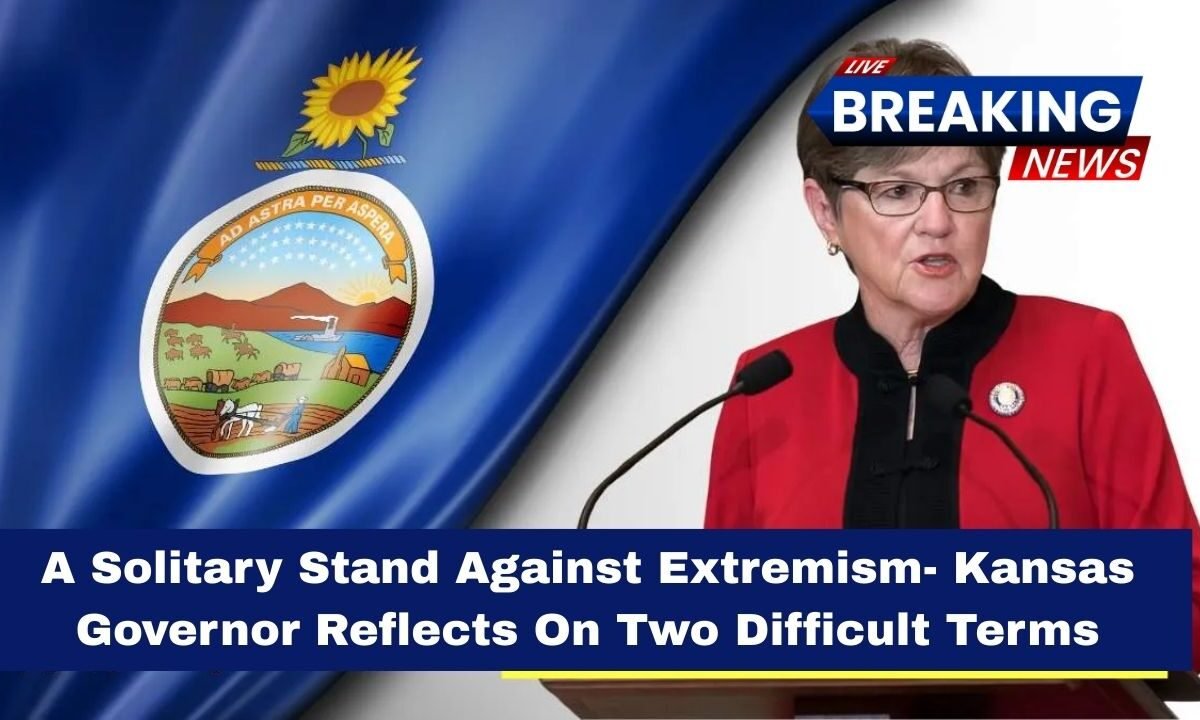
Kansas Governor Laura Kelly is nearing the end of two demanding terms that have defined modern Kansas politics. Serving as a Democratic governor in a state dominated by Republican supermajorities, Kelly’s leadership has often centered on resisting what she described as extreme legislation, while still keeping the state government functioning, balanced, and focused on everyday issues.
Elected first in 2018 and re-elected in 2022, Kelly became one of the few Democratic governors in a reliably conservative state.

Her second victory was narrow, winning 49.54% of the vote compared with 47.33% for her Republican challenger, reflecting how politically divided Kansas has become.
Governing In A Deeply Divided State
From the beginning, Kelly faced structural challenges. Republicans have consistently controlled both chambers of the Kansas Legislature, often with numbers large enough to override gubernatorial vetoes.
This meant that her power was frequently defensive rather than expansive. Instead of pushing sweeping new laws, Kelly focused on blocking legislation, negotiating compromises, and steering budget priorities toward education and family support.

Her governorship became less about party dominance and more about damage control, moderation, and maintaining stability in a polarized environment.
Key Policy Battles And Veto Fights
Kelly’s two terms were marked by repeated high-profile confrontations with lawmakers:
- Gender-affirming care legislation: In early 2025, Kelly vetoed a bill banning gender-affirming medical care for minors. The Legislature overrode her veto, making Kansas one of 27 states at the time to enact such restrictions.
- Abortion-related laws: Following Kansas voters’ 2022 decision to keep abortion rights protected in the state constitution, lawmakers continued to pass restrictive measures. Kelly vetoed several of them, though some were later overridden.
- Medicaid expansion: One of her longest-running priorities, Medicaid expansion, was projected to provide health coverage to about 150,000 low-income Kansans. Despite years of effort, it never cleared the Legislature, highlighting the limits of bipartisan cooperation.
These clashes cemented Kelly’s reputation as a governor standing alone against a Legislature moving sharply to the right.
Focus On Schools And Kitchen-Table Issues

As her second term progressed, Kelly increasingly emphasized education and cost-of-living priorities rather than cultural battles. In her final addresses, she focused on:
- Proposals to ban cellphones in classrooms to improve learning and reduce distractions
- Expanding free school meals to students who currently qualify for reduced-price lunches
- Maintaining fiscally balanced budgets while preserving funding for public schools and infrastructure
Notably, she de-emphasized Medicaid expansion in later speeches, signaling a pragmatic shift toward goals she believed could realistically pass.
Key Facts And Timeline
| Topic | Details | Significance |
|---|---|---|
| First Election | Won governorship in 2018 | Marked rare Democratic win statewide |
| Second Election (2022) | 49.54% vote share; turnout 47.94% | Demonstrated Kansas political divide |
| Medicaid Expansion | Estimated 150,000 potential beneficiaries | Highlighted legislative gridlock |
| 2025 Veto Override | Gender-affirming care ban enacted | Showed limits of veto power |
| Education Agenda | Phone bans, free school meals | Shift toward consensus issues |
Across two challenging terms, Laura Kelly governed less as a trailblazer and more as a bulwark—absorbing political pressure, slowing rapid policy shifts, and keeping Kansas anchored to practical governance.
Her legacy is defined not by sweeping reforms, but by resistance, moderation, and persistence in the face of overwhelming opposition. In a deeply polarized era, Kelly’s tenure stands as an example of how power can sometimes mean holding the line, even when victories are partial or temporary.