
 Patrick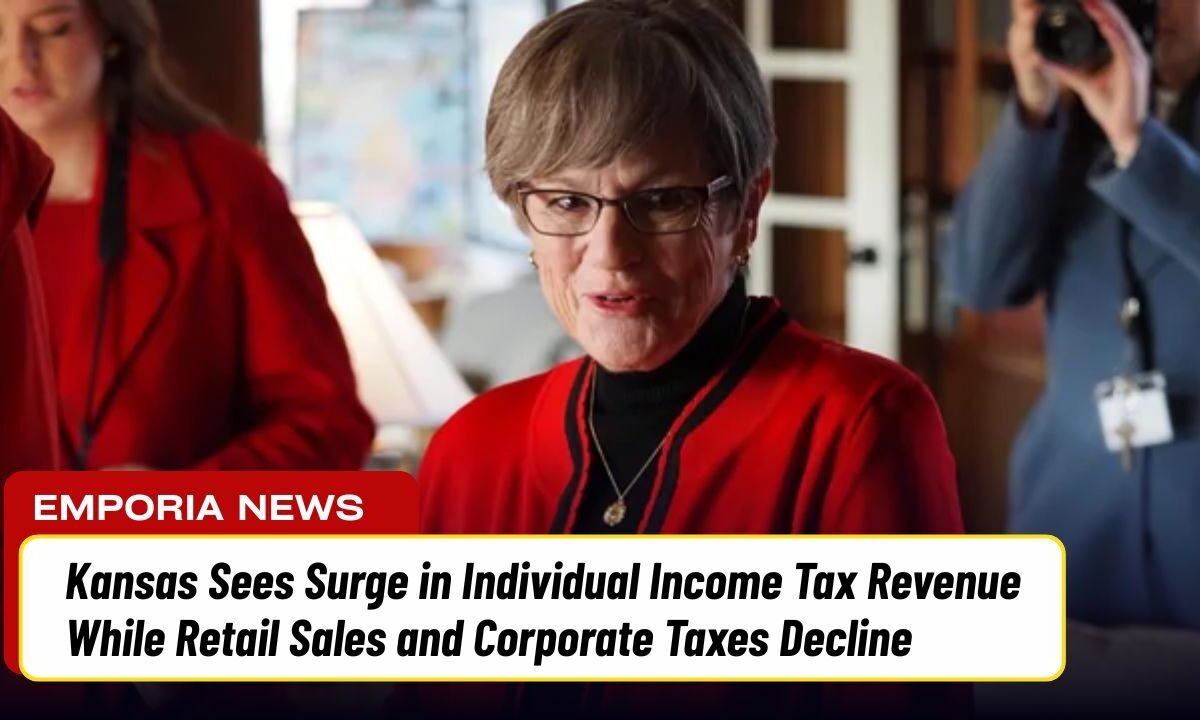
A recent slowdown in corporate income tax and retail sales tax collections has prompted Kansas Gov. Laura Kelly to advise lawmakers to take a more careful approach when shaping the state’s 2026 budget. Despite overall revenues remaining close to projections, the governor warned the Legislature to remain vigilant as economic trends shift.
State Revenue Trends Show Mixed Performance
Corporate and Retail Tax Revenues Decline
According to the latest report from the Kansas Department of Revenue, the state experienced notable drops in two key areas during the first five months of the fiscal year.
- Corporate income tax collections fell by $74 million compared to the same period last year.
- Retail sales tax revenue declined by $53 million year-over-year.

Gov. Kelly noted that while November’s overall collections landed close to expectations, the ongoing weakness in corporate taxes is a growing concern, especially since collections are well below November 2024 levels.
Individual Income Tax Keeps Revenues Positive
Despite the downturn in some areas, Kansas maintained a positive overall revenue position due to a significant increase in individual income taxes.
- Individual income tax receipts increased by $173 million, a 9.9% jump compared to last year.
With all tax categories combined, the state stands $58 million ahead of where it was through November 2024.
Governor Kelly Calls for Fiscal Responsibility
Looking Beyond FY 2027

Gov. Kelly emphasized that her upcoming budget proposal will account for long-term financial stability, not just immediate fiscal needs. She warned that Kansas is on track to draw down its $3 billion cash reserve, potentially overspending by $300 million to $700 million each year unless adjustments are made.
Kelly encouraged the Republican-led Legislature to build the next budget with caution, stressing that continued overspending could weaken Kansas’ financial foundation in the coming years.
Republican Leadership Responds
Budget Policy Differences
Kansas House Speaker Dan Hawkins has previously criticized the governor’s approach, accusing her of dramatizing budget concerns. He reiterated that GOP lawmakers remain focused on delivering meaningful “results” through balanced, thoughtful policymaking.
Legislature Preparing Its Own Budget Plan
As required each January, the governor will submit a constitutionally balanced state budget, which lawmakers will review and adjust.
Meanwhile, the Republican-controlled Legislature is already preparing its own alternative spending plan. The House-Senate budget committee has scheduled two days of meetings next week to shape the budget blueprint for the fiscal year beginning July 1, 2026.
Kansas’ latest revenue numbers reveal a complicated financial landscape. While individual income tax gains have kept the state’s finances in positive territory, declines in corporate and retail sales taxes underscore the need for caution.
Gov. Kelly is urging lawmakers to adopt a more conservative fiscal strategy to protect the state’s reserves, while Republican leaders continue working on their own version of the 2026 budget.
As both sides move into the next legislative session, decisions made in the coming months will significantly influence Kansas’ financial stability in the years ahead.