
 Hailey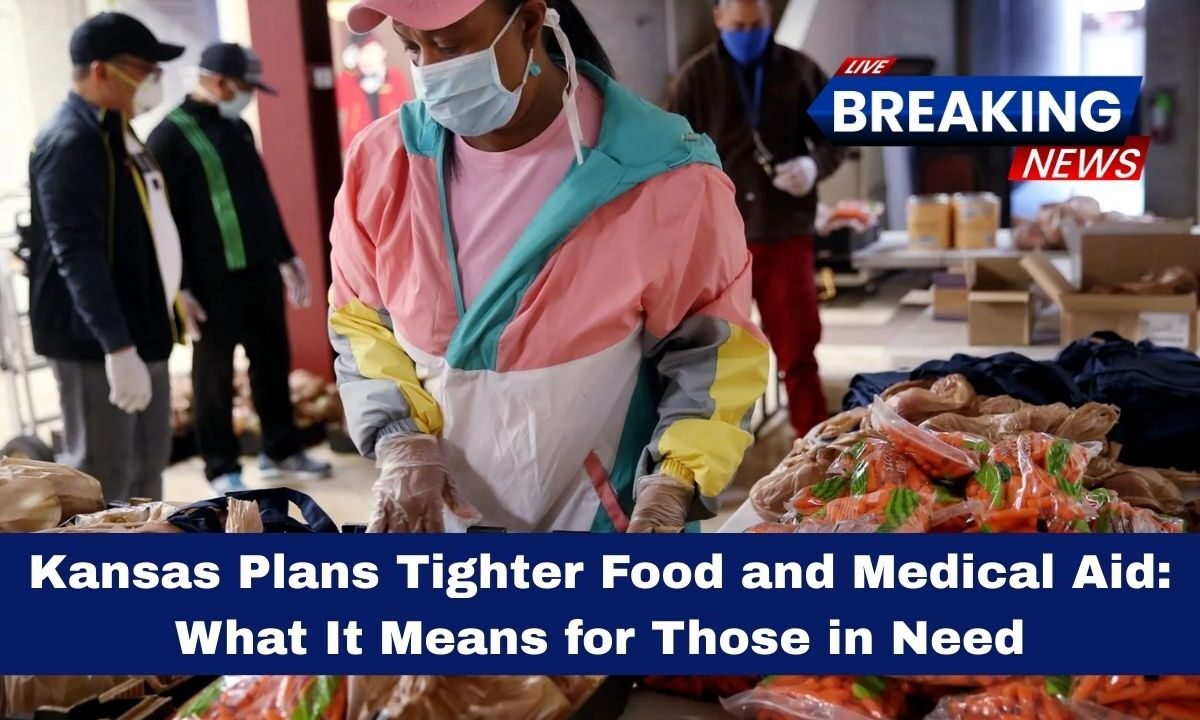
As the 2026 Kansas legislative session unfolds, lawmakers are considering major restrictions on food and medical assistance programs.
These proposals aim to introduce new verification requirements, expanded work mandates, and stricter oversight for programs like SNAP (Supplemental Nutrition Assistance Program) and Medicaid.

Advocates warn that such changes could reduce access to essential support for children, seniors, low-income families, and people with disabilities throughout the state.
Proposed Legislative Changes
Kansas lawmakers are discussing multiple bills that could significantly alter public assistance eligibility and participation. The main elements under consideration include:
Verification And Documentation Requirements
• Applicants for SNAP and Medicaid may face additional documentation hurdles, beyond current federal mandates.
• These requirements could increase bureaucracy and make it harder for eligible residents to maintain benefits.
• Critics warn that these rules could result in unintended loss of support for families in need.
Data Sharing Provisions

• Some proposals require state officials to share personal data of assistance recipients with federal agencies.
• This raises concerns about privacy and potential misuse of sensitive information.
• Opponents argue that mandatory data sharing could discourage eligible individuals from applying for aid.
School Meal Program Scrutiny
• Additional verification for free and reduced school lunches is being proposed.
• Schools may need legislative approval to participate in federal meal programs.
• This could create barriers for students who rely on school meals for daily nutrition.
Key Data And Potential Impact
The following table summarizes the potential effects of these proposed changes:
| Policy Proposal | Potential Impact | Current Data/Estimate |
|---|---|---|
| SNAP Verification Requirements | Could increase paperwork and reduce benefit access | ~188,000 Kansans currently receive SNAP |
| Medicaid Eligibility Changes | Could limit access for low-income residents | Kansas could face significant long-term budget impact |
| Data Sharing Requirements | Personal SNAP and Medicaid data would be shared with federal agencies | Raises privacy concerns and potential application deterrent |
| School Meal Program Scrutiny | Families must prove income more rigorously | Impacts thousands of students statewide |
| Cost Of Implementation | Additional verification systems require more staff and resources | Estimated $18.5 million for new systems and personnel |
Why The Proposals Are Controversial
Supporters’ Perspective

• Advocates of the restrictions argue that stricter rules are needed to reduce fraud and ensure taxpayer dollars are spent responsibly.
• They say increased oversight can improve program efficiency and accountability.
Opponents’ Perspective
• Critics contend that the changes would hurt people already struggling with food insecurity and medical needs.
• Vulnerable populations, including children, seniors, and people with disabilities, could lose vital assistance.
• Additional bureaucracy may discourage eligible residents from applying for programs.
Broader Context
Kansas is not alone in considering tighter eligibility rules for public assistance. Nationwide, there has been a trend toward stricter work requirements, enhanced verification, and additional reporting for safety-net programs.
Experts warn that such restrictions could reduce access to critical nutrition and healthcare services for vulnerable populations, potentially worsening poverty and health outcomes.
The proposed restrictions on food and medical assistance in Kansas could have real, measurable impacts on tens of thousands of residents who depend on these programs. While lawmakers argue for oversight and accountability, advocates stress the importance of maintaining accessible support for those in need.
The outcome of these legislative decisions will shape the future of public assistance in the state and affect the daily lives of vulnerable Kansans.