
 Hailey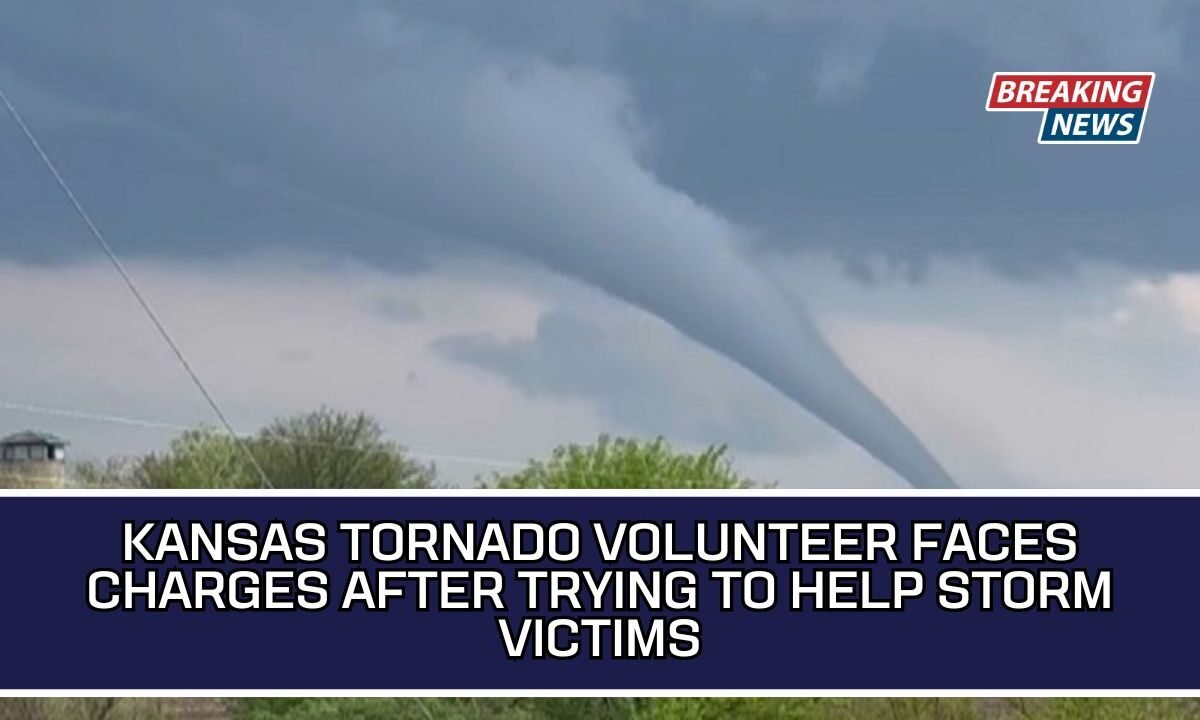
Kansas Tornado: When a powerful tornado hits a small town, people often come together to help. Volunteers leave their homes, give their time, and work hard without expecting anything in return.
But in one Kansas case, a volunteer who tried to help after a deadly storm is now facing criminal charges. This situation has sparked anger, debate, and concern across the state.

A Kansas lawmaker says this is a clear case of “prosecutorial overreach”, where the legal system may be punishing someone who was only trying to do good.
What Happened After the Plevna Tornado?
In May, a strong tornado hit the small town of Plevna, which has fewer than 100 residents. The storm caused serious damage:
- 9 homes were completely destroyed
- Around 20 other homes were damaged
- Many families were left without proper insurance or shelter
After the disaster, volunteers from nearby counties rushed in to help with cleanup and rebuilding efforts.
Who Is the Volunteer at the Center of the Case?
The volunteer facing charges is Cody Royer, a volunteer firefighter from Rice County. He traveled to Reno County with his father just six days after the tornado to help clear debris.
Royer said he was “just trying to do a good deed” and help people who had lost almost everything.
Use of County Equipment Creates Trouble
While helping with cleanup, Royer and his father were told by someone at the site that they could use a county-owned excavator to remove debris. They used the machine for part of the day.
Later, a county employee arrived and told Royer to stop immediately. He got off the excavator right away, and law enforcement was called.
According to Royer and his supporters:
- The excavator was not damaged
- No one was hurt
- The work was done safely and responsibly
However, officials later said the person who gave permission did not have the authority to do so.
Charges Filed Against the Volunteer
In July, Royer was charged with criminal deprivation of property, which is a misdemeanor. But the situation became more serious when the district attorney reportedly threatened to raise the charge to aggravated assault with a deadly weapon if Royer did not accept a plea deal.
This move shocked many people, including Kansas State Representative Brett Fairchild, who strongly criticized the decision.
“Nobody was injured. There was no assault. He was just helping,” Fairchild said.
Why Lawmakers Are Speaking Out
Rep. Fairchild believes a simple warning would have been enough, considering Royer’s good intentions. He argues that charging a volunteer like this could discourage people from helping during future disasters.
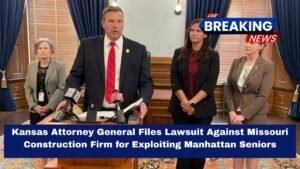
Fairchild asked Kris Kobach to step in. However, the Attorney General’s office said it cannot interfere, since district attorneys are independently elected.
The Reno County District Attorney, Thomas Stanton, declined to comment on the case and reminded lawmakers about the separation of powers.
Defense Says Royer Did Nothing Wrong
Royer’s attorney says his client:
- Was not paid
- Had no personal benefit
- Operated the excavator professionally and safely
- Was acting purely as a community volunteer
Royer has pleaded not guilty and says the plea deal offered to him feels unfair.
Key Facts at a Glance
| Topic | Details |
|---|---|
| Disaster | Plevna tornado (May) |
| Volunteer | Cody Royer |
| Original Charge | Criminal deprivation of property |
| Possible Upgrade | Aggravated assault with deadly weapon |
| Damage to Equipment | None reported |
| Injuries | None |
| Court Hearing | Scheduled for this week |
Why This Case Matters
This case is about more than just one person. Many fear that if volunteers can face criminal charges for trying to help, fewer people will step forward during emergencies. Communities depend on good Samaritans, especially after natural disasters.
The outcome of this case could set an important example for how volunteers are treated in the future.
The case of Cody Royer raises serious questions about fairness, intention, and justice. A volunteer who stepped in to help a small town recover from a tornado is now dealing with stress, legal trouble, and uncertainty.
While the law must be respected, many believe that common sense and compassion should also matter. As the court date approaches, people across Kansas are watching closely, hoping that doing the right thing will not be treated as a crime.