
 Hailey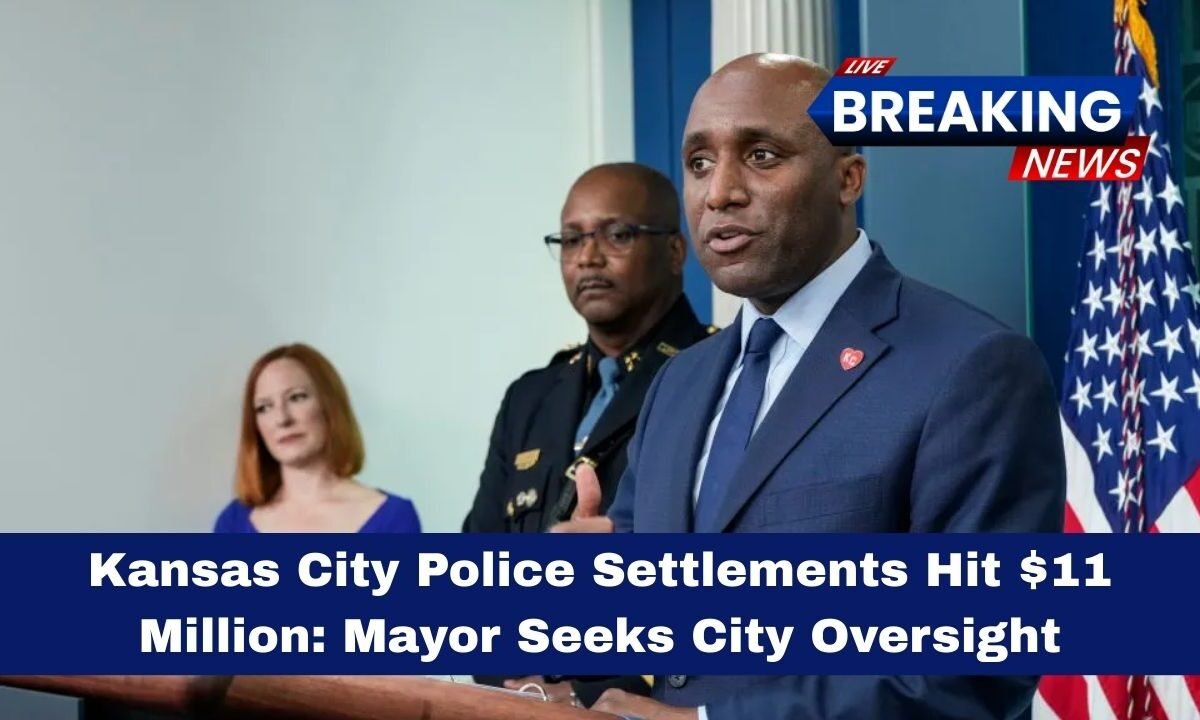
In Kansas City, Missouri, the Kansas City Police Department (KCPD) is facing intense public and political scrutiny after legal settlements tied to police misconduct cases reached nearly $11 million in the current fiscal year. The rising costs have sparked renewed debate over police accountability, budget transparency, and the city’s limited authority over police operations.
The settlement payouts stem from lawsuits involving wrongful death claims, excessive force allegations, and civil rights violations. City leaders say the financial burden has become one of the most significant pressures on the police department’s operating budget.
How The Settlement Costs Compare To The Budget

Originally, the police department allocated approximately $2.5 million to $3.5 million in its annual budget to cover legal settlements and lawsuit expenses. However, actual payouts have exceeded that projection by a wide margin, climbing close to $11 million this year alone.
In previous years, settlement totals have fluctuated, with some reports indicating payouts reached nearly $21 million in 2025, highlighting an ongoing trend of costly litigation.
Kansas City is also required by state law to allocate at least 25 percent of its general revenue budget to the police department. This constitutional requirement limits how city officials can adjust police funding when unexpected costs arise.
Mayor Pushes For Greater Oversight

Quinton Lucas has called for increased city oversight of legal settlement spending. While the police department is governed by a state-controlled Board of Police Commissioners, Lucas argues that the city should have greater authority in approving or reviewing high-dollar settlements that impact overall municipal finances.
Lucas has proposed changes that would require additional transparency and potentially allow the City Council to have more involvement when settlement costs exceed projected limits. According to the mayor, these measures are intended to improve financial accountability and prevent sudden budget disruptions.
Currently, Kansas City does not have full local control of its police department, making it one of the few major U.S. cities operating under a state-appointed oversight structure.
Police Department Response And Budget Adjustments

Kansas City Police Department leadership has defended its financial management practices. Police Chief Stacey Graves stated that the department is implementing cost-saving measures to offset the unexpected settlement expenses.
These measures include:
- Reducing non-essential overtime
- Delaying equipment purchases
- Freezing discretionary spending
- Adjusting internal operational budgets
Officials have emphasized that these adjustments are designed to avoid cuts to frontline public safety services while maintaining compliance with state funding requirements.
Broader Impact On Kansas City’s Finances
Kansas City is already facing broader financial challenges, including a projected budget shortfall estimated near $100 million in upcoming fiscal cycles. The unexpected rise in police settlement payouts adds further strain to long-term financial planning.
City council members have expressed concern that recurring high settlement costs could impact funding for:
- Infrastructure improvements
- Public health programs
- Community development initiatives
- Emergency services
Many local leaders argue that without structural reforms or better risk management strategies, settlement expenses could continue to grow.
Key Financial Figures
| Category | Amount / Detail |
|---|---|
| Current Fiscal Year Settlements | Nearly $11 million |
| Original Legal Settlement Budget | $2.5–$3.5 million |
| Settlement Totals Reported In 2025 | Up to $21 million |
| Required Police Budget Allocation | 25% of city revenue |
| Estimated City Budget Shortfall | Nearly $100 million |
Why Oversight Debate Matters
The debate over police settlements is not just about finances. It also reflects broader concerns around law enforcement accountability, public trust, and government transparency.
Supporters of increased oversight argue that stronger monitoring of legal claims and improved training policies could reduce future settlement payouts. Others emphasize that unpredictable legal risks are part of policing in large metropolitan areas.
Regardless of perspective, the $11 million figure has become a focal point in discussions about how Kansas City manages both public safety and taxpayer dollars.
The nearly $11 million in police settlements paid this fiscal year has intensified calls for reform in Kansas City. With Mayor Quinton Lucas advocating for greater city oversight and financial transparency, the issue has become central to budget negotiations and governance discussions.
As legal costs continue to rise and the city faces broader fiscal challenges, finding a balance between effective policing and financial responsibility will remain a top priority for local leaders.