
 Hailey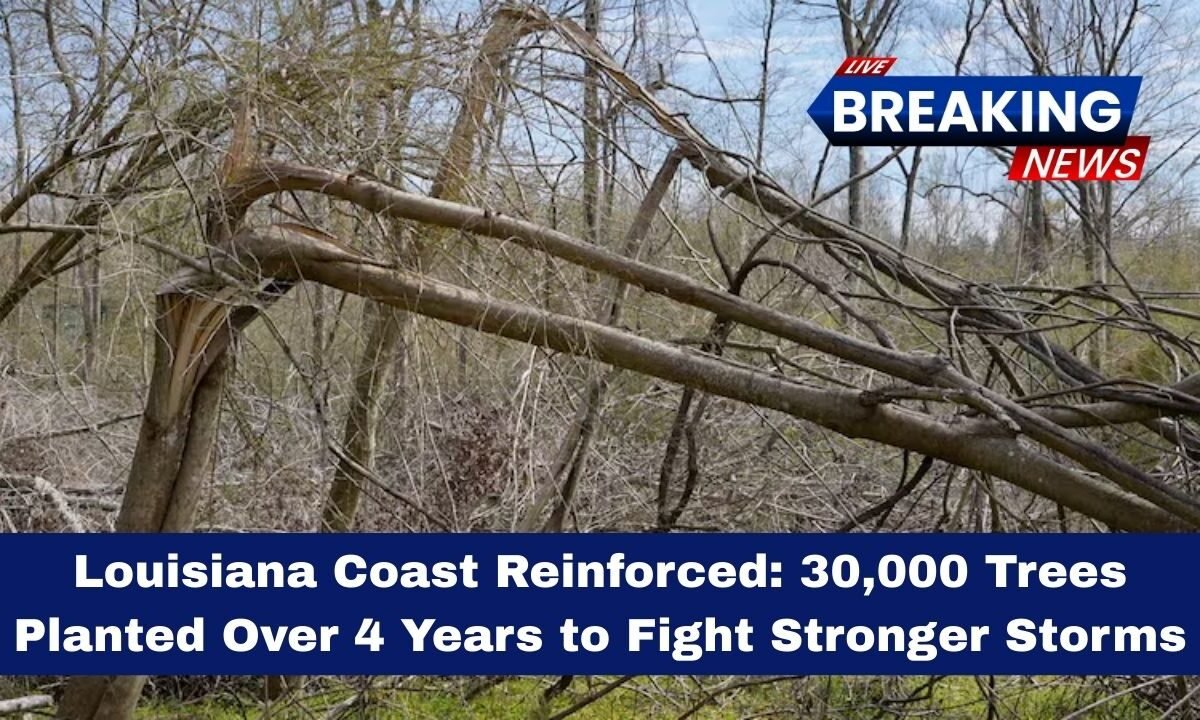
Kansas may not have a coastline like Louisiana, but it faces its own serious weather threats. From tornadoes and severe thunderstorms to flash flooding and extreme winds, Kansas communities are working to strengthen their defenses.
Over the past four years, statewide and local initiatives have focused on planting approximately 30,000 trees as part of broader storm resilience and climate adaptation efforts.

Tree planting is becoming a key strategy in improving urban stormwater management, wind protection, and flood control across Kansas.
Why Kansas Needs Stronger Storm Protection
Kansas sits in the heart of “Tornado Alley,” making it highly vulnerable to powerful storms. Each year, the state experiences:
- Dozens of tornadoes
- Severe thunderstorms with damaging winds
- Heavy rainfall leading to flash flooding
- Hailstorms causing property damage
While Kansas does not face hurricanes, the increasing frequency of extreme weather events has pushed officials to invest in nature-based infrastructure solutions.

Urban flooding has become a growing concern, especially in cities such as Wichita, Topeka, and Kansas City (Kansas side), where stormwater runoff overwhelms drainage systems during heavy rain.
The 30,000-Tree Initiative Across Kansas
Over a four-year period, local governments, environmental organizations, and volunteer groups have collaborated to plant around 30,000 trees statewide. These trees have been added to:
- Public parks
- Residential neighborhoods
- School campuses
- Urban corridors
- Flood-prone zones
The focus has been on planting native and climate-resilient tree species that can withstand strong winds, temperature swings, and drought conditions common in Kansas.
How Trees Improve Storm Resilience

Trees provide several measurable benefits:
- Windbreak Protection: Tree lines reduce wind speed, helping limit storm damage to homes and infrastructure.
- Flood Reduction: Tree roots absorb rainwater and reduce surface runoff, lowering flash flood risk.
- Soil Stabilization: Roots hold soil in place, reducing erosion.
- Temperature Control: Tree canopy lowers urban heat, improving community resilience.
- Air Quality Improvement: Trees absorb pollutants and carbon dioxide.
Studies show that increasing urban tree canopy can significantly reduce stormwater runoff volume, easing pressure on city drainage systems during intense rainfall.
Broader Kansas Storm Resilience Strategies
Tree planting is only one part of Kansas’ storm protection approach. State and local governments are also investing in:
Improved Stormwater Infrastructure
Upgrading drainage systems and retention basins to manage heavier rainfall events.
Green Infrastructure Projects
Installing rain gardens, permeable pavements, and bioswales to absorb runoff naturally.
Community Preparedness Programs
Expanding tornado shelters and early warning systems.
Windbreak Agriculture Programs
Encouraging farmers to plant shelterbelts to protect crops and reduce wind erosion.
Key Facts And Figures
| Category | Details |
|---|---|
| Duration of Tree Planting Effort | 4 years |
| Trees Planted | Approximately 30,000 |
| Main Goal | Strengthen storm resilience and reduce flooding |
| Weather Threats | Tornadoes, severe thunderstorms, flash floods |
| Benefits of Trees | Wind reduction, water absorption, soil stabilization |
| Additional Strategies | Green infrastructure, drainage upgrades, shelters |
Why Nature-Based Solutions Matter In Kansas
Unlike large engineered barriers, trees and green infrastructure provide cost-effective and long-term resilience benefits. While they cannot stop tornadoes, they can:
- Reduce property damage from strong winds
- Lower flood risks during heavy rainfall
- Improve community sustainability
Nature-based solutions are increasingly recognized as essential components of climate adaptation strategies across the Midwest.
Although Kansas does not face coastal hurricanes, it faces powerful storms that demand strong protection strategies. Over four years, planting 30,000 trees statewide has helped improve wind protection, reduce flood risks, and strengthen environmental resilience.
Combined with improved infrastructure and preparedness efforts, these tree-planting initiatives demonstrate how Kansas is investing in safer, more sustainable communities for the future.