
 Hailey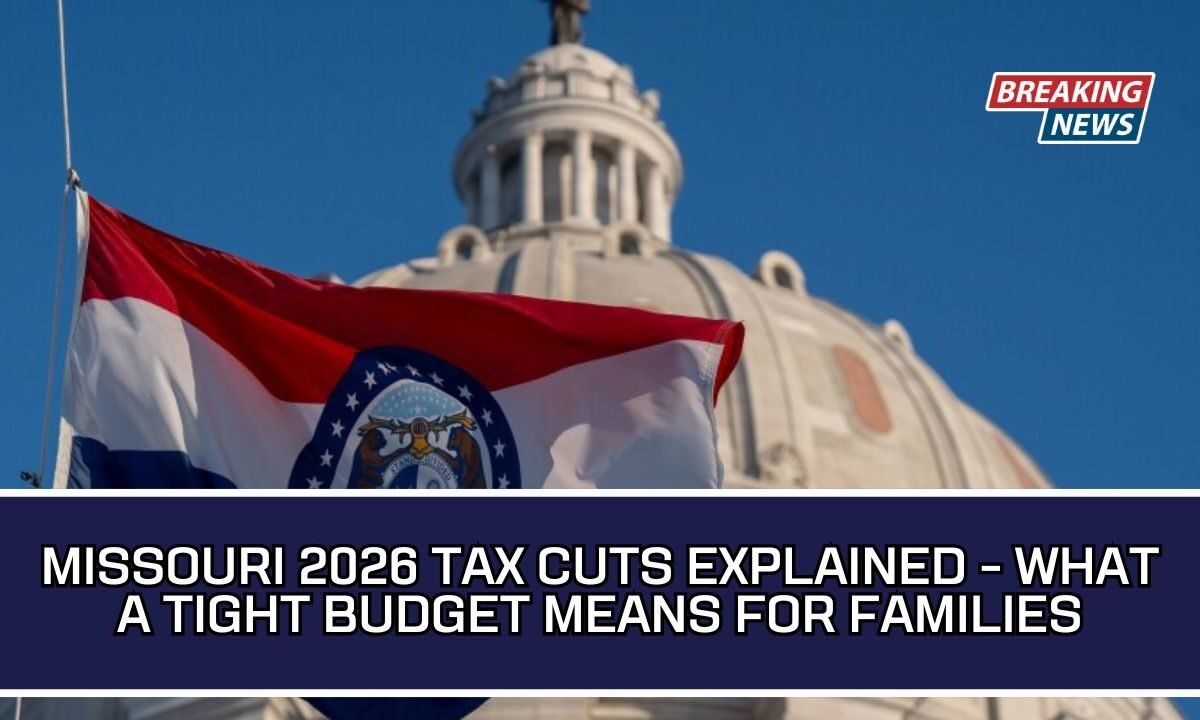
Missouri is entering an important year in 2026, and many big decisions are already on the table. Lawmakers have gathered in Jefferson City to begin the new legislative session, which will continue until mid-May.
At the center of the discussion is a bold idea—cutting or even fully ending the state income tax. While this sounds like good news for taxpayers, it also raises serious concerns about how the state will pay for schools, roads, and public services with less money coming in.

This session could shape Missouri’s future for years to come, especially for working families, businesses, and local communities.
Missouri’s 2026 Legislative Session Explained
What Is the Legislative Session?
Every year, Missouri lawmakers meet to decide new laws, budgets, and policies. The 2026 legislative session officially began this week and will run through mid-May. During this time, lawmakers debate bills, review state finances, and decide how taxpayer money will be spent.
In 2026, the focus is mainly on tax cuts, state spending, and managing a smaller budget.
Governor’s Push to Eliminate Income Tax

Missouri Governor Mike Kehoe has made it clear that he wants to eliminate the state income tax over time. His goal is to make Missouri more affordable for families and more attractive for businesses.
Why Income Tax Matters
The state income tax is one of Missouri’s biggest sources of money. This tax helps fund:
- Public schools
- Health care programs
- Road repairs
- Law enforcement
- Emergency services
If the income tax is removed, the state must find another way to pay for these services—or reduce spending.
Why Lawmakers Are Worried About the Budget
Smaller Budget, Bigger Challenges
Missouri’s budget is already expected to be tight in 2026. This means the state will have less money available than in previous years. Some lawmakers worry that cutting income tax without a backup plan could lead to deep spending cuts.
Critics argue that while tax cuts sound helpful, they may cause long-term problems if essential services lose funding.
Possible Impact on Missouri Residents
How Tax Cuts Could Affect You
If the income tax is reduced or removed, Missouri residents may see:
- More money in their paychecks
- Lower tax burden for workers and retirees
- More business interest in the state
However, there are also risks:
- Fewer funds for schools and colleges
- Delayed road and bridge repairs
- Reduced support for health and social programs
Key Pros and Cons of Eliminating Income Tax
| Topic | Possible Benefits | Possible Risks |
|---|---|---|
| Income Tax Cuts | Higher take-home pay | Loss of state revenue |
| State Budget | Business growth | Cuts to public services |
| Residents | Short-term savings | Long-term service reductions |
| Economy | Attracts companies | Budget gaps in future |
Lawmakers Face Tough Choices
Missouri lawmakers must balance tax relief with responsible budgeting. Many agree that cutting taxes is popular, but doing it without harming schools, health care, and infrastructure is a serious challenge.
As debates continue, lawmakers will likely explore options such as:
- Phasing out income tax slowly
- Finding new revenue sources
- Reducing government spending
- Adjusting existing tax structures
What Happens Next in the 2026 Session?
The legislative session will continue until mid-May. During this time, bills will be debated, revised, and voted on. Some tax proposals may pass, while others could be delayed or rejected.
Final decisions will depend on budget forecasts, public opinion, and political negotiations.
Missouri’s Future Depends on 2026 Decisions
The 2026 legislative session is a turning point for Missouri. The push to eliminate the state income tax brings hope for lower taxes, but it also creates serious budget concerns.
Lawmakers must make careful choices to ensure that Missouri remains affordable without weakening essential public services.
As debates continue in Jefferson City, residents should stay informed, because these decisions will directly affect daily life, public programs, and the state’s long-term financial health.