
 Hailey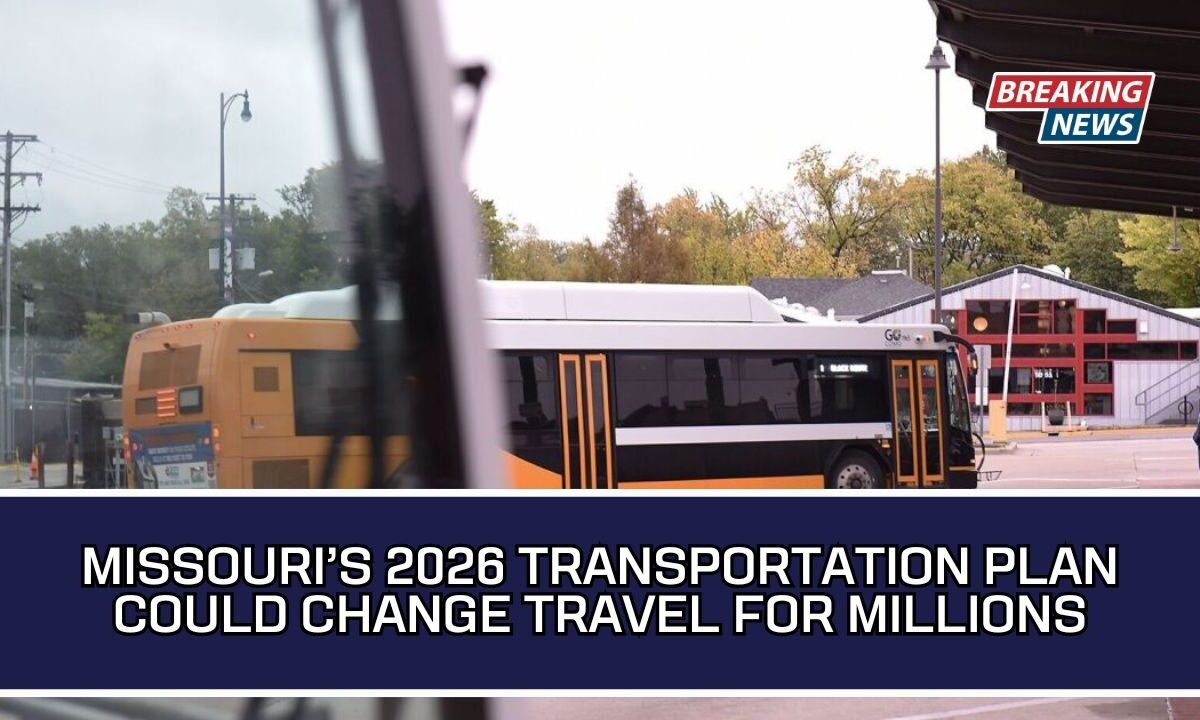
Transportation Plan: Missouri is getting ready to reshape its transportation future, and the changes could affect millions of people across the state.
In 2026, Missouri will update its Long-Range Transportation Plan and State Freight and Rail Plan, which will guide roads, highways, railways, and transit systems all the way to 2050.

On paper, this sounds like progress. But for many Missouri residents—especially those who depend on public transportation—there is growing concern.
Recent budget cuts and limited public input have raised serious questions about whether the new plans will truly meet the everyday needs of Missourians.
Why Missouri’s Transportation Plans Matter
Missouri updates its transportation plans roughly every five years. These plans are important because they help the state qualify for federal transportation funding and decide how money is spent on roads, bridges, rail, sidewalks, and transit systems.
What the 2026 Update Will Cover

The upcoming update will:
- Guide transportation decisions until 2050
- Decide funding priorities for highways, rail, freight, and transit
- Shape safety, access, and mobility across urban and rural Missouri
- Affect people who drive, walk, bike, or use buses and trains
These plans have not been fully updated since 2018, making the 2026 revision especially important.
Public Transit Funding Takes a Big Hit
While planning for the future is underway, Missouri has already made decisions that limit transportation choices today.
When Mike Kehoe signed the 2026 state budget, he reduced Missouri’s Transit Operating Investment from $11.7 million to $6.7 million—nearly cutting it in half.
Why This Is a Serious Problem
Public transit agencies depend on state funding to qualify for federal matching funds. When state funding drops, federal support drops too—doubling the damage.
Between 2019 and 2023, Missouri’s public transit agencies:
- Provided 40.1 million rides per year
- Generated $1.4 billion in annual economic impact
- Served seniors, workers, students, and people without cars
Rural Areas Are Being Hit the Hardest
The funding cuts have been especially painful for rural transit agencies.
Example: OATS Transit
OATS Transit serves 87 Missouri counties, mostly rural. In 2025, it lost:
- $900,000 in state funding
- $1.8 million total when federal matching funds were lost
This means fewer buses, fewer routes, and longer wait times for people who already have limited transportation options.
Experts Warn of Long-Term Damage
Voices from Transportation Advocates
Jackson Hotaling, Director of Policy at Missourians for Responsible Transportation, explains how deep the damage goes:
“When you cut state funding, you don’t just lose that money—you lose much more in federal support.”
Hotaling is part of the advisory committee working with the Missouri Department of Transportation on the new transportation plan. He represents pedestrian and bicycle safety, areas often overlooked in Missouri’s planning.
Missouri Lags Behind on Safe Transportation Planning
Missouri is one of only four states in the U.S. that does not fully include walking and biking in its long-range transportation plan.
Safety Concerns Are Rising
- Missouri recorded record pedestrian deaths in 2025
- The state has nearly 34,000 miles of highways
- More highways often mean fewer safe options for non-drivers
Despite these concerns, most funding continues to go toward highway expansion.
Billions for Highways, Less for Transit
Missouri recently spent $2.8 billion from its surplus on the Improve I-70 project.
While highways are important, transportation advocates say this leaves little money for:
- Public buses
- Sidewalks
- Bike lanes
- Rural transit services
This imbalance affects people who cannot afford a car and even increases traffic and congestion for drivers.
Transportation Access at Risk
Some believe personal vehicles are the only solution. But programs like Cars 4 Missouri, which help people get donated vehicles, also rely on grants tied to transportation funding.
When public transit systems shrink:
- More people need cars
- More pressure falls on charities
- Communities lose affordable mobility options
Public Comment Period: A Small Window to Speak Up
Missouri residents still have a chance to share their opinions.
Key Dates
| Event | Date |
|---|---|
| Public Comment Opens | January 14 |
| Public Comment Closes | February 13 |
However, local funding limits may decide what ideas can actually be included in the final plan.
Missouri’s Transportation Future Needs Balance
Transportation Plan: Missouri’s 2026 transportation update will shape how people move for the next 25 years. While highways and freight are important, public transit, pedestrian safety, and rural access must not be ignored.
Cutting transit funding today makes it harder to build a fair and inclusive transportation system tomorrow. If Missouri truly wants a strong economy and safer roads, it must listen to its residents and invest in transportation options that work for everyone, not just drivers.