
 Mandy
Mandy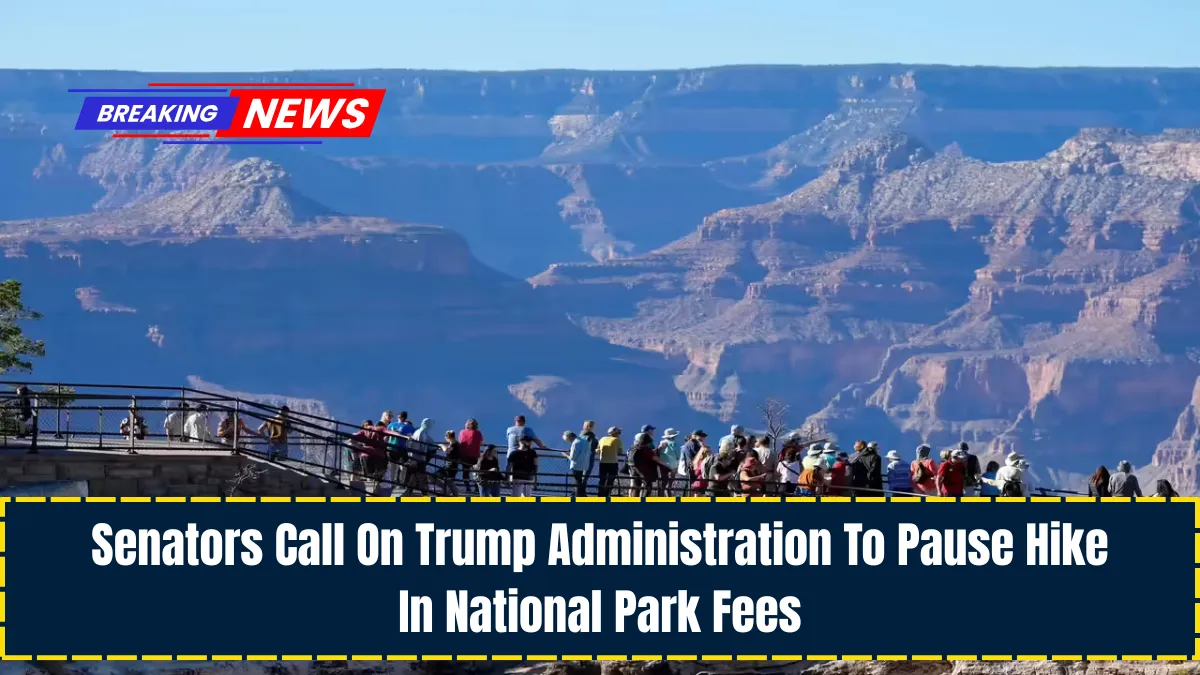
A group of U.S. senators, led by Ron Wyden, is urging the Trump administration to delay proposed increases in national park entrance fees, arguing that the plan is unfair and rushed.
In a formal letter sent to Department of the Interior Secretary Doug Burgum, the five senators asked for an immediate pause on the new fee structure scheduled to take effect on January 1, 2026.
Details of the Proposed National Park Fee Structure

Under the newly announced policy:
- Non-U.S. residents would pay $250 for an annual national park pass
- U.S. citizens and residents would continue to pay $80 for the same pass
- Non-resident visitors aged 16 and older without an annual pass would be charged $100 to enter 11 of the most visited national parks
According to Sen. Wyden’s office, this marks the first time proof of U.S. residency would be required to access public lands at different price levels.
Senators Call the Plan Discriminatory and Premature
The lawmakers argue that the proposed national park fee hike is being rolled out without adequate public notice or opportunity for comment. They also warn that the changes could:
- Slow down park entry processes
- Discourage international tourism
- Create confusion among visitors and park staff

In their letter, the senators emphasized that America’s national parks are meant to welcome both domestic and global visitors seeking to experience the country’s natural beauty, history, and cultural heritage.
Staffing Cuts Could Worsen Visitor Delays
The senators also expressed concern about staffing shortages at the National Park Service. They noted that the Trump administration has reduced permanent park staff by 24% since January, which could intensify congestion and entry delays—especially at high-traffic parks.
With fewer employees managing gates and visitor services, lawmakers believe the fee changes could further strain already limited resources.
Impact on International Tourism and the U.S. Economy
The letter highlighted troubling trends in international travel:
- Overseas visitation to the U.S. is down more than 3%
- Canadian tourism has dropped by 25%
Despite the decline, international travelers still spent $254 billion in the United States in 2024, and national parks remain a major draw for many visitors.
Senators warned that higher fees could further reduce tourism spending and harm local economies tied to park visitation.
Senators Request a Formal Pause and Review
The lawmakers formally asked Interior Secretary Burgum to halt implementation of the new non-resident park passes and entry fees until:
- Public feedback is collected
- Impacts on visitation are fully analyzed
- Clear guidance is provided to Congress, park employees, and affected stakeholders
They stressed that rushing the policy could undermine the inclusive spirit of public lands.
The proposed national park entrance fee increases have sparked significant concern among U.S. senators, who argue the plan is discriminatory, rushed, and potentially damaging to tourism and park operations.
With staffing cuts, declining international travel, and limited public input, lawmakers believe delaying the policy is essential to protect access to America’s national treasures.
A pause, they say, would allow time for proper evaluation, transparency, and public engagement before major changes are enforced.
FAQs
When are the new national park fees supposed to begin?
The new fee structure is scheduled to take effect on January 1, 2026, unless delayed.
How much would non-U.S. residents pay under the new plan?
Non-residents would pay $250 for an annual pass or $100 per visit at 11 major parks.
Why are senators opposing the fee increase?
Lawmakers cite lack of public input, potential tourism decline, staffing shortages, and concerns that the policy is discriminatory.