
 Hailey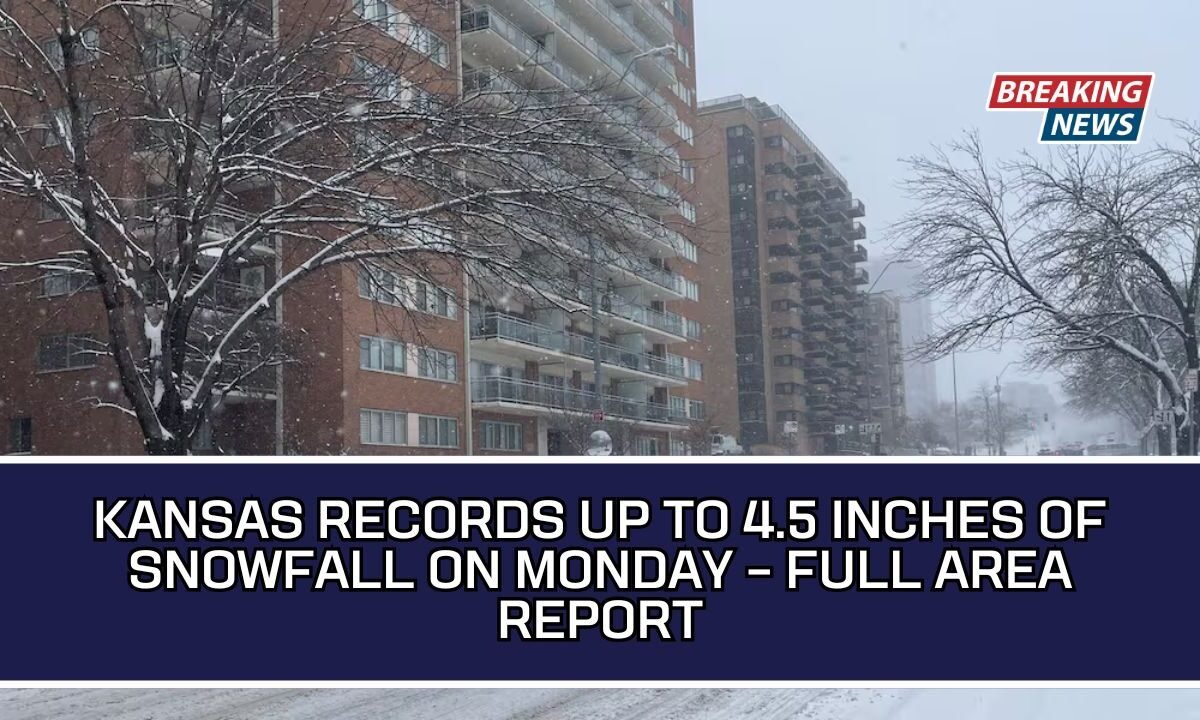
Kansas saw a light touch of winter on Monday as snowfall moved across different parts of the state. While it was not a major snowstorm, many areas still experienced enough snow to make roads slippery and slow down morning travel.
The National Weather Service (NWS) confirmed that most places received between 1 to 4.5 inches of snow, depending on the strength of the snow bands. This report explains how much snow fell in each area, how it affected travel, and what drivers should keep in mind during winter weather.
Kansas Snowfall Report for Monday

Light snow may seem harmless, but even small amounts can cause slippery roads. That’s why knowing how much snow fell in each area helps people plan their day better. Below is the latest snowfall update across Kansas as of noon on Monday.
Snowfall Amounts by Location
| Location | County | Snowfall |
|---|---|---|
| Weskan | Wallace County | 2.5 inches |
| Russell Springs | Logan County | 2 inches |
| Russell | Russell County | 1.5 inches |
| Oakley | Logan County | 1.5 inches |
| Great Bend | Barton County | 0.5 inch |
| Sylvan Grove | Lincoln County | 1 inch |
| Miltonvale | Cloud County | 3 inches |
| Belleville | Republic County | 3 inches |
| Clay Center | Clay County | 1.4 inches |
| Perry | Jefferson County | 3 inches |
| Tonganoxie | Leavenworth County | 4.5 inches |
| Lansing | Leavenworth County | 4 inches |
| Edwardsville | Wyandotte County | 3.2 inches |
| Olathe | Johnson County | 2 inches |
| Lawrence | Douglas County | 2 inches |
From this table, the highest snowfall of the day came from Tonganoxie, where residents saw 4.5 inches—the most reported anywhere in the state.
How the Snow Affected Roads
Even though the snowfall was not heavy, it still created slick and icy roads in several areas. Snow mixed with cold temperatures can make roads slippery, especially early in the morning and during the night.

Drivers in places like Leavenworth County, Cloud County, and Wyandotte County experienced slower traffic due to reduced visibility and wet road surfaces.
Many people are used to Kansas winters, but even experienced drivers should slow down during winter conditions. Keeping extra distance from other vehicles, braking gently, and driving at controlled speeds are important steps for staying safe.
Checking Road Conditions in Winter
During winter, it becomes very important to stay updated about current road conditions before starting your trip. Kansas offers helpful tools like phone-based road information and local weather updates. These resources allow drivers to quickly check if any roads are blocked, icy, or under slow traffic.

People travelling early in the morning or late at night should be extra careful because the temperature drops and thin ice can form. Bridges and overpasses usually freeze first, so drivers should slow down when crossing them.
What to Expect Next
The snowfall reports from Monday show that winter weather is starting to settle into Kansas. While this was only a light snow event, it also serves as a reminder that winter conditions can change quickly.
More snowfall, freezing rain, or cold winds may appear as the season progresses. Staying alert to weather forecasts and road updates can help everyone travel more safely.
Kansas may not have seen a major winter storm today, but the snowfall still created slippery roads and cold conditions for many people. With amounts ranging from 0.5 to 4.5 inches, each town experienced a slightly different impact.
As winter continues, being prepared, checking road conditions, and travelling carefully will help everyone stay safe. Even small amounts of snow can affect driving, so staying aware and cautious makes a big difference during Kansas winters.