
 Hailey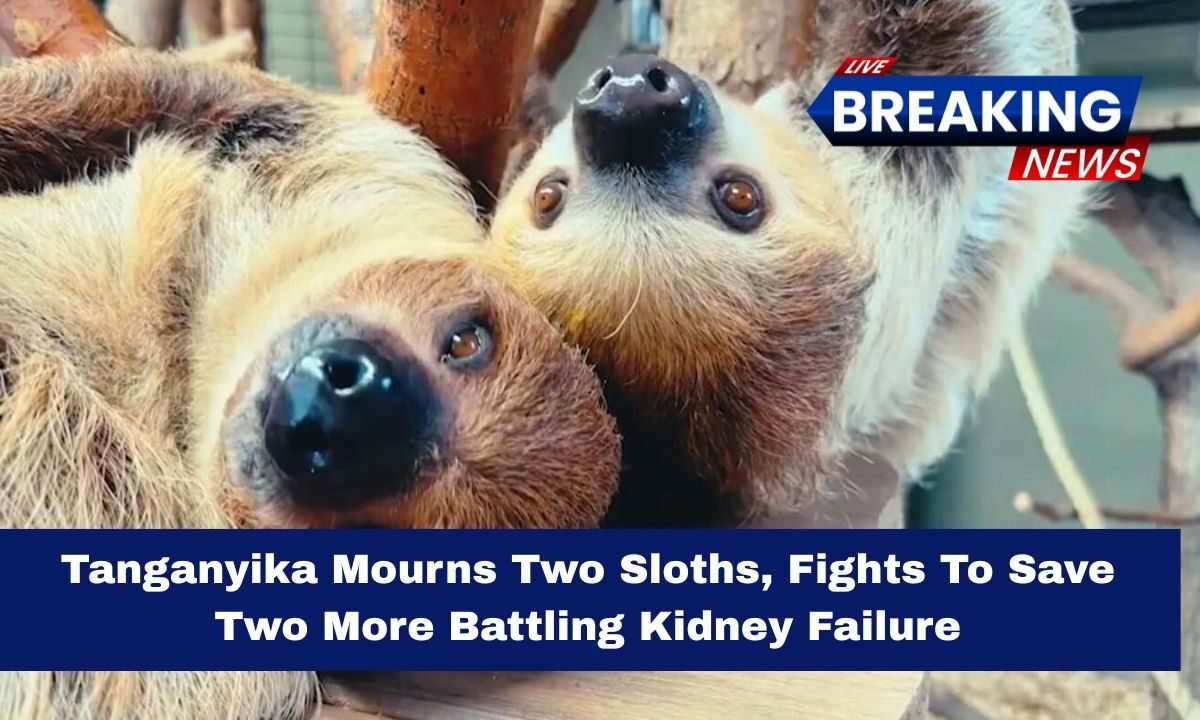
Tanganyika Wildlife Park in Goddard, Kansas, is facing one of its most heartbreaking animal health crises. The park recently confirmed that two of its beloved sloths have died, while two more are critically ill with kidney failure.
These animals were an important part of the park’s interactive experiences, making the loss especially painful for staff, veterinarians, and visitors who knew them well.

This incident has raised major concerns about exotic animal health and the hidden dangers of kidney-related diseases in sloths. Below is a complete update on what happened, the current condition of the surviving sloths, and how the park is responding.
What Happened to the Four Sloths?
Tanganyika Wildlife Park cared for four sloths who were part of educational and animal-interaction programs. In November and early December, all four suddenly became ill within a short time.
Two sloths — Oscar and Molasses — passed away despite urgent medical treatment. The remaining two — Sydney and Chewie — have been diagnosed with severe kidney failure and remain in critical condition.

To help readers understand the situation clearly, here is a summary of each sloth’s status:
Sloth Health Summary
| Sloth Name | Status | Health Condition | Timeline |
|---|---|---|---|
| Oscar | Deceased | Sudden organ decline, kidney failure | Mid-November 2025 |
| Molasses | Deceased | Health worsened after Oscar’s death | Late Nov / Early Dec 2025 |
| Sydney | Alive, Critical | Diagnosed with kidney failure | Early December 2025 |
| Chewie | Alive, Critical | Diagnosed with kidney failure | Early December 2025 |
Why Kidney Failure Is So Dangerous for Sloths
Kidney disease is extremely dangerous in sloths because of their unique biology:
1. Slow Metabolism
Sloths have one of the slowest metabolic rates of any mammal. This means early symptoms of illness often go unnoticed. By the time weight loss or fatigue appears, organ damage may already be severe.
2. Hard-to-Detect Symptoms

Sloths naturally move slowly and sleep for long periods, so signs of kidney issues — like weakness, dehydration, or reduced appetite — blend in with normal behavior.
3. Limited Treatment Options
Exotic animals need highly specialized medical care. Treatment involves fluids, medications, dietary adjustments, and constant monitoring, but even then, recovery is difficult once kidneys fail.
Because all four sloths became ill around the same time, veterinarians are evaluating whether the cause is environmental, genetic, dietary, or related to an underlying infection.
How Tanganyika Wildlife Park Is Responding
The park’s veterinary team and animal care specialists have launched an urgent internal investigation while providing intensive treatment to Sydney and Chewie.
Key steps being taken include:
- Round-the-clock monitoring of kidney function and hydration
- Emergency fluid therapy to support the kidneys
- Specialized exotic-animal medications
- Dietary modifications to reduce kidney strain
- Environmental testing to rule out external causes
- Consultations with exotic veterinary experts
Staff members have described this period as emotionally devastating, emphasizing their commitment to saving the remaining sloths and identifying the root cause.
Impact on the Community and Wildlife Care
The sloths at Tanganyika were beloved by guests, especially children who interacted with them during educational programs. Their loss has sparked conversations about:
- The challenges of caring for exotic animals
- The importance of early disease detection
- The need for continued research into sloth kidney health
- The emotional toll on wildlife caretakers
This incident also highlights the vulnerability of sloths in human care and the need for improved diagnostic technologies to catch kidney disease sooner.
Tanganyika Wildlife Park’s loss of two sloths, and the ongoing fight to save Sydney and Chewie, marks one of the most difficult moments in the park’s recent history.
Kidney failure in sloths is a complex medical condition that progresses quietly but aggressively. While the cause of this sudden cluster of illnesses is still under investigation, the park’s team is working tirelessly to provide life-saving care and protect other animals in their facility.
The tragedy has touched many hearts across Kansas and beyond. As the story continues to unfold, the hope remains that the remaining sloths will stabilize and recover.