
 Mandy
Mandy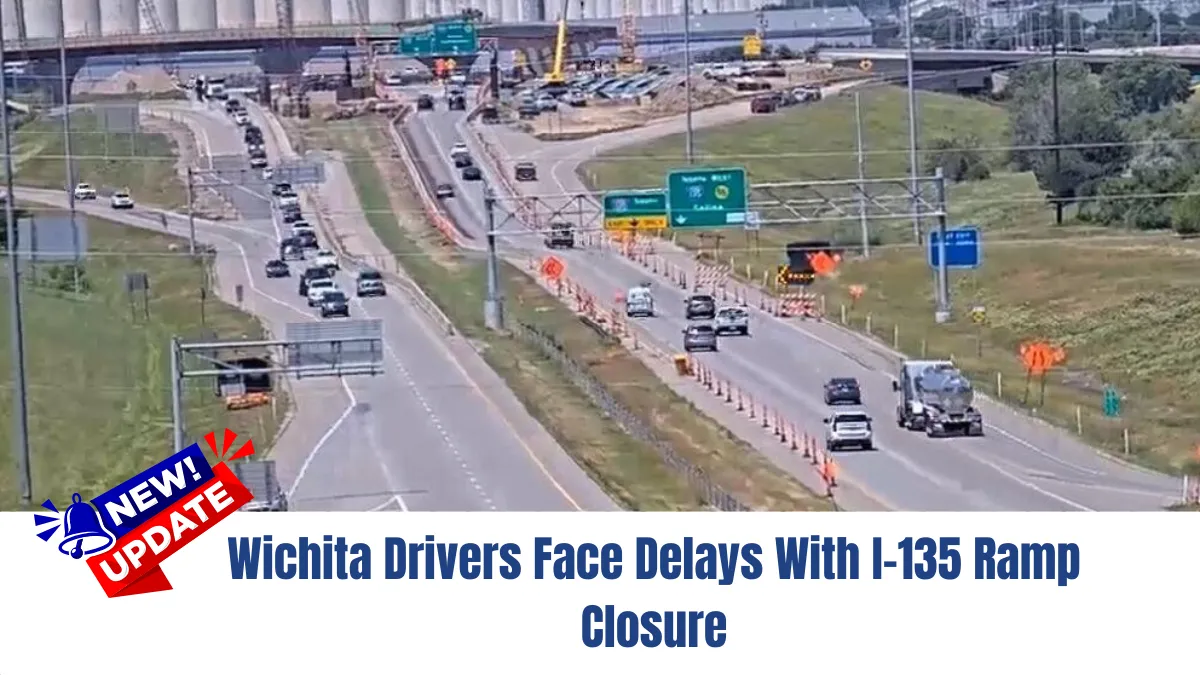
Wichita drivers are being advised to prepare for longer travel times as a major I-135 ramp closure goes into effect starting 9 a.m. Monday morning.
Transportation officials say the first week of the closure could be especially challenging as traffic patterns adjust.

The affected ramp is located near the busy Kellogg interchange, one of the most heavily used traffic corridors in the city. While officials planned the closure to avoid peak morning rush hours, commuters are already expecting disruptions.
What The I-135 Ramp Closure Means For Drivers?
According to Kansas Department of Transportation (KDOT), the ramp will close after the morning rush to minimize immediate congestion. However, once the closure is active, traffic flow is expected to change significantly.
Drivers who regularly use or pass through the interchange should expect slower travel times, especially during the first several days as motorists adjust to detours and altered routes.
Daily Commuters Expect Ripple Effects

Even drivers who do not use the closed ramp directly are preparing for delays. Local commuter Brock Hayes, who travels east and west along Kellogg twice daily, says congestion is unavoidable.
“It’s going to impact every direction of that intersection. There’s really no way around it,” Hayes explained.
He believes traffic backups will spill into surrounding roads, making morning and evening commutes unpredictable.
Detours And Downtown Concerns

To help manage congestion, KDOT is activating a smart work zone system. This system uses traffic sensors and real-time data to monitor backups and adjust traffic signal timing, particularly along Second Street, which will serve as a key detour.
However, some drivers worry that detours could push more vehicles into downtown Wichita, where narrow, one-way streets already struggle with traffic flow.
“They’re basically funneling people downtown into tighter spaces. That’s going to stack cars on top of cars,” Hayes said.
How Much Extra Time Should Drivers Plan?
Hayes says he is already planning to leave earlier and explore alternate routes to avoid gridlock. He estimates his commute could increase by 15 to 20 minutes.
“I’ll probably leave early and take a completely different route for as long as this lasts,” he said.
Officials acknowledge that detour confusion could create additional bottlenecks, especially during the early phase of the project.
Why KDOT Is Moving Forward With The Closure?
KDOT officials say delaying the project was not an option. Postponement would slow critical bridge rehabilitation work and push construction into future seasons, increasing costs and raising safety risks.
The I-135 corridor carries more than 100,000 vehicles per day, making timely repairs essential. KDOT says it will take several weeks of collected data to fully understand how traffic is shifting and whether further adjustments are needed.
The I-135 ramp closure in Wichita is expected to cause noticeable traffic delays, particularly during its initial phase. While KDOT has implemented smart traffic monitoring tools and planned detours, commuters should expect longer travel times and possible congestion in surrounding areas, including downtown streets.
Drivers are encouraged to leave early, stay alert for signage, and remain flexible as traffic patterns continue to evolve during this important infrastructure project.
FAQs
When does the I-135 ramp closure begin in Wichita?
The closure starts at 9 a.m. Monday, after the morning rush hour.
How long will delays last for drivers?
KDOT says delays are most likely during the first few weeks as traffic patterns adjust.
Why can’t the project be postponed?
Delaying the work would increase costs, raise safety concerns, and delay necessary bridge repairs on a high-traffic corridor.