
 Marina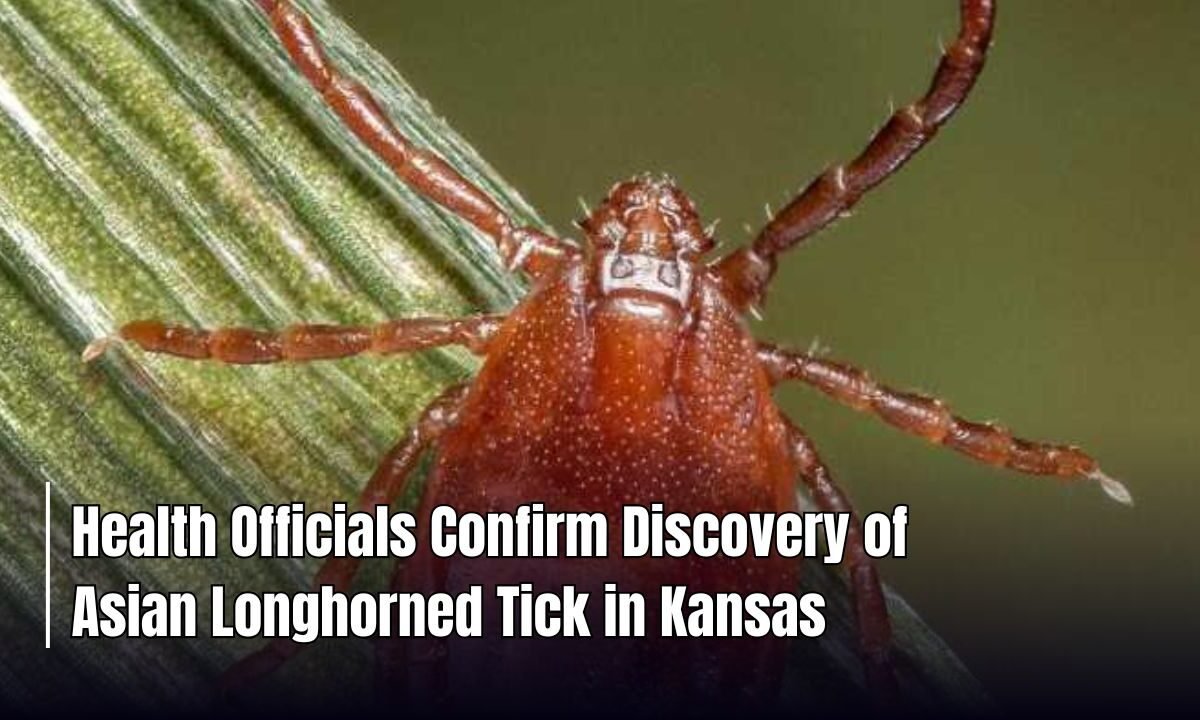
Kansas has reported its first confirmed case of the Asian longhorned tick (Haemaphysalis longicornis), an invasive species previously identified in 21 other U.S. states.
The tick was discovered on a dog in Franklin County last week, prompting immediate action from state health and agriculture officials.
What Is the Asian Longhorned Tick?

Native to East Asia, the Asian longhorned tick was first detected in the United States in New Jersey in 2017. Since then, it has spread westward, now documented in over 21 states.
This tick is particularly concerning due to its parthenogenetic reproduction, meaning a single female can reproduce without mating, leading to rapid population growth.
Health Implications for Humans and Animals
Animal Health Risks
The Asian longhorned tick poses significant threats to livestock and pets:
- Severe infestations: Large numbers of ticks can cause anemia or even death in animals due to blood loss.
- Transmission of diseases: It carries the Theileria orientalis Ikeda parasite, responsible for bovine theileriosis, a disease affecting cattle.
Human Health Concerns

While the tick’s role in transmitting diseases to humans remains uncertain, it has been linked to illnesses in other states:
- Bourbon virus: Detected in Virginia in 2019.
- Ehrlichiosis: Found in Connecticut.
Currently, these diseases are transmitted in Kansas by the Lone Star tick.
State Response and Surveillance Efforts
In 2024, the Kansas Department of Health and Environment (KDHE) initiated a tick surveillance program in collaboration with veterinary clinics statewide. A routine sample from Franklin County led to the identification of the Asian longhorned tick, confirmed by the U.S. Department of Agriculture (USDA).

Dr. Justin Smith, Kansas Animal Health Commissioner, emphasized the importance of vigilance, stating, “Now that it has been identified in Kansas, we’ve contacted accredited veterinarians across the state to remind them to be alert and to ensure they understand the risks.”
Preventative Measures and Recommendations
To minimize the risk of tick bites and potential diseases:
- Use repellents: Apply EPA-approved repellents like DEET, picaridin, or oil of lemon eucalyptus when outdoors.
- Wear protective clothing: Dress in long sleeves and pants, and tuck pants into socks when in tick-prone areas.
- Perform tick checks: After outdoor activities, thoroughly check yourself, family members, and pets for ticks, focusing on areas like underarms, behind knees, and around ears.
- Shower promptly: Shower within two hours of returning indoors to remove unattached ticks.
- Remove ticks safely: Use fine-tipped tweezers to grasp the tick close to the skin and pull upward with steady, even pressure.
- Consult veterinarians: Discuss tick prevention options for pets with your veterinarian.
The detection of the Asian longhorned tick in Kansas underscores the importance of ongoing surveillance and public awareness.
While the immediate risk to human health is currently low, the potential impact on animal health and agriculture is significant.
Residents are urged to remain vigilant and adopt preventive measures to protect both themselves and their animals.