
 Hailey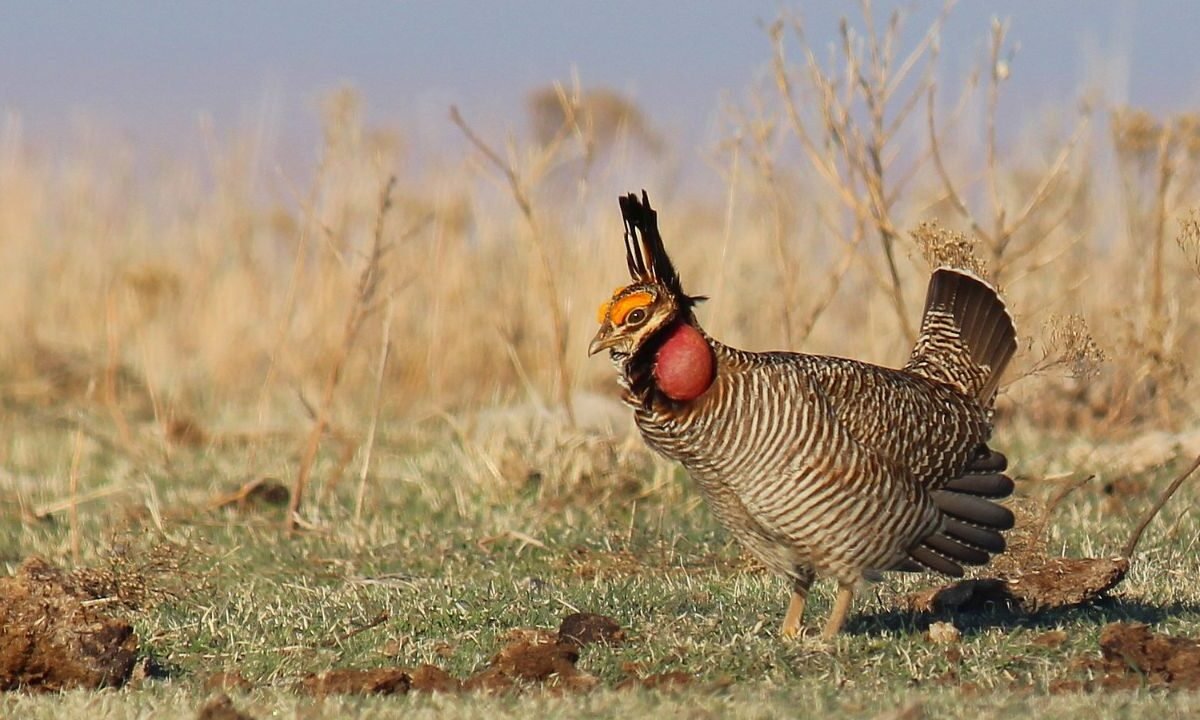
The lesser prairie chicken is one of the most important birds of the American grasslands. Once common across wide areas of the Southern Plains, this species is now facing a serious decline. In states like Kansas, where much of its remaining population lives, the future of this bird depends heavily on local people.
This is not just about saving one species. It is about understanding how humans and nature are connected. When ecosystems are protected, both wildlife and communities benefit.

That is why the idea of mutual care—where people care for nature and nature supports people—is becoming more important than ever.
The Sharp Decline in Population
Over the past century, the number of lesser prairie chickens has dropped at an alarming rate. Earlier, millions of these birds lived across vast grasslands. Today, the population is estimated at around 25,000 to 30,000 birds.
- Population decline: nearly 95–97%
- Habitat loss: about 90% of original grasslands
- Current range: limited to parts of Kansas, Texas, Oklahoma, New Mexico, and Colorado
This decline is mainly due to human activities that have changed the natural landscape.
Why Kansas Is So Important

Kansas plays a key role in protecting the lesser prairie chicken. A large portion of the remaining population lives in the western part of the state. This makes Kansas one of the most critical areas for conservation.
Another important fact is that most of the land in this region is privately owned. This means that farmers, ranchers, and local communities are directly involved in protecting the species. Without their participation, conservation efforts cannot succeed.
Major Threats to the Species
1. Habitat Loss and Fragmentation
Grasslands have been converted into farmland, roads, and infrastructure. This breaks large habitats into smaller areas where birds struggle to survive.
2. Energy Development

Oil, gas, and wind projects often disturb breeding grounds, especially during mating season.
3. Climate Stress
Drought and unpredictable rainfall reduce food availability and affect nesting success.
4. Invasive Vegetation
The spread of unwanted plants and trees changes the natural open grassland environment that these birds need.
Key Facts at a Glance
| Category | Simple Explanation |
|---|---|
| Bird Name | Lesser Prairie Chicken |
| Estimated Population | 25,000–30,000 |
| Decline Rate | Up to 97% |
| Habitat Loss | Around 90% |
| Main Regions | Kansas and nearby states |
| Land Ownership | Mostly private land |
| Biggest Threat | Loss of grassland habitat |
| Conservation Need | Large, connected open lands |
Why Mutual Care Matters
The concept of mutual care highlights the relationship between people and nature. When Kansans protect grasslands, they are not just helping birds—they are also supporting agriculture and the environment.
Healthy grasslands provide:
- Better soil quality for farming
- Natural water balance
- Support for other wildlife
- Long-term sustainability for rural communities
This shows that protecting the lesser prairie chicken also protects human livelihoods.
Local Efforts and Responsibility
Many conservation programs encourage landowners to take part in protecting habitats. These include:
- Maintaining native grasslands
- Using sustainable grazing methods
- Reducing land disturbance during breeding seasons
- Participating in habitat restoration programs
Because most land is privately owned, local involvement is the most powerful tool for conservation.
The decline of the lesser prairie chicken is a clear signal that grassland ecosystems are under threat. From millions of birds in the past to only a few thousand today, the situation is serious. Kansas stands at the center of this challenge, holding a major share of the remaining population.
The future of this species depends on cooperation between communities, landowners, and conservation efforts. By practicing mutual care and protecting natural habitats, Kansans can help ensure that this iconic bird continues to survive. In doing so, they also protect their own environment, economy, and way of life for future generations.