
 Hailey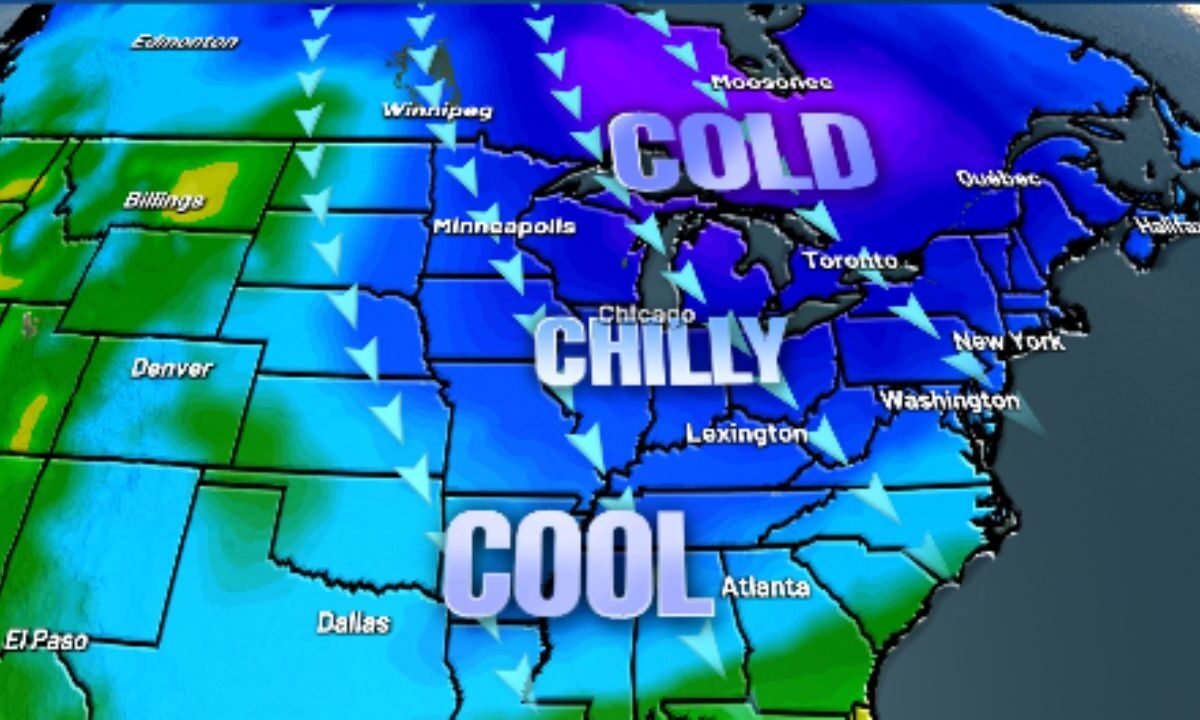
The beginning of May has brought an unusual cold wave across large parts of the United States, with many regions waking up to frost, near-freezing temperatures, and clear skies. From the Midwest to parts of the Northeast, early morning temperatures dropped to around 30–35°F (-1 to 2°C).
This sudden cold snap is uncommon for May and has raised concerns for farmers, gardeners, and outdoor planners. However, this frosty start is only temporary, as a major weather shift is expected to bring warmer air and storms over the weekend.
Why the U.S. Is Experiencing Frost in May

Meteorologists point to a strong high-pressure system dominating much of the central and eastern U.S. This system creates clear skies and light winds, allowing heat to escape rapidly overnight.
This phenomenon, often referred to as radiational cooling, leads to sharp drops in temperature after sunset. As a result, even areas that typically see mild spring nights experienced frost advisories and chilly mornings.
Typical temperature trends include:
- Overnight lows: 30–35°F (-1 to 2°C)
- Daytime highs: 55–65°F (13–18°C) in many regions
Weekend Weather Shift: Storms Make a Strong Comeback

By late Friday into the weekend, the weather pattern will change significantly. A low-pressure system moving across the central U.S. will pull in warm, moist air from the Gulf of Mexico, creating the perfect conditions for showers and thunderstorms.
Forecasters have issued a First Warn alert, indicating a higher chance of impactful weather.
Expected storm impacts include:
- Heavy rainfall, especially in the Midwest and Southern Plains
- Strong wind gusts up to 40–60 mph (65–95 km/h)
- Potential for hail and frequent lightning
- Risk of isolated severe thunderstorms, particularly on Sunday
U.S. Weather Timeline and Key Details
| Day | Temperature Range | Conditions | Alerts |
|---|---|---|---|
| Early May | 30–65°F (0–18°C) | Frosty mornings, sunny days | Frost advisories |
| Friday | 40–70°F (4–21°C) | Gradual warming, increasing clouds | No major alerts |
| Saturday | 50–75°F (10–24°C) | Showers begin, cloudy skies | Storm chances rising |
| Sunday | 55–80°F (13–27°C) | Thunderstorms likely | First Warn storm alert |
Regional Impact Across the U.S.
Midwest and Great Plains

States in the Midwest will feel the biggest swing, starting with frosty mornings and transitioning into strong weekend storms.
Northeast
The Northeast will experience cold mornings early in the week, followed by rain and possible thunderstorms by Sunday.
South and Southeast
Warmer conditions will return faster in southern states, but humidity will fuel storm development, increasing the chance of heavy rain and gusty winds.
How This Weather Affects Daily Life
Agriculture and Gardening
The frost could damage early-season crops, including fruits and vegetables. Growers are advised to cover plants or delay planting.
Travel and Outdoor Plans
While the cold mornings may not cause major disruptions, weekend storms could bring travel delays, especially due to heavy rain and reduced visibility.
Health and Comfort
Rapid temperature changes can affect health, leading to seasonal illnesses or allergies. Dressing in layers is recommended.
What to Expect Next Week
After the storm system moves through, temperatures are expected to rise across most of the United States. Many areas will see highs reaching 70–85°F (21–29°C), signaling a return to more typical spring weather.
However, the atmosphere may remain somewhat unstable, meaning occasional showers could continue into early next week.
The start of May has delivered a surprising mix of cold, frosty mornings and below-average temperatures across the United States. But this calm and chilly pattern is quickly giving way to a warmer and stormy weekend, with the potential for heavy rain and strong winds.
This sharp transition highlights how unpredictable spring weather can be. Staying updated with forecasts is essential, whether you are protecting crops, planning travel, or organizing outdoor activities. The coming days will bring both challenges and relief as the weather shifts into a more active phase.