
 Hailey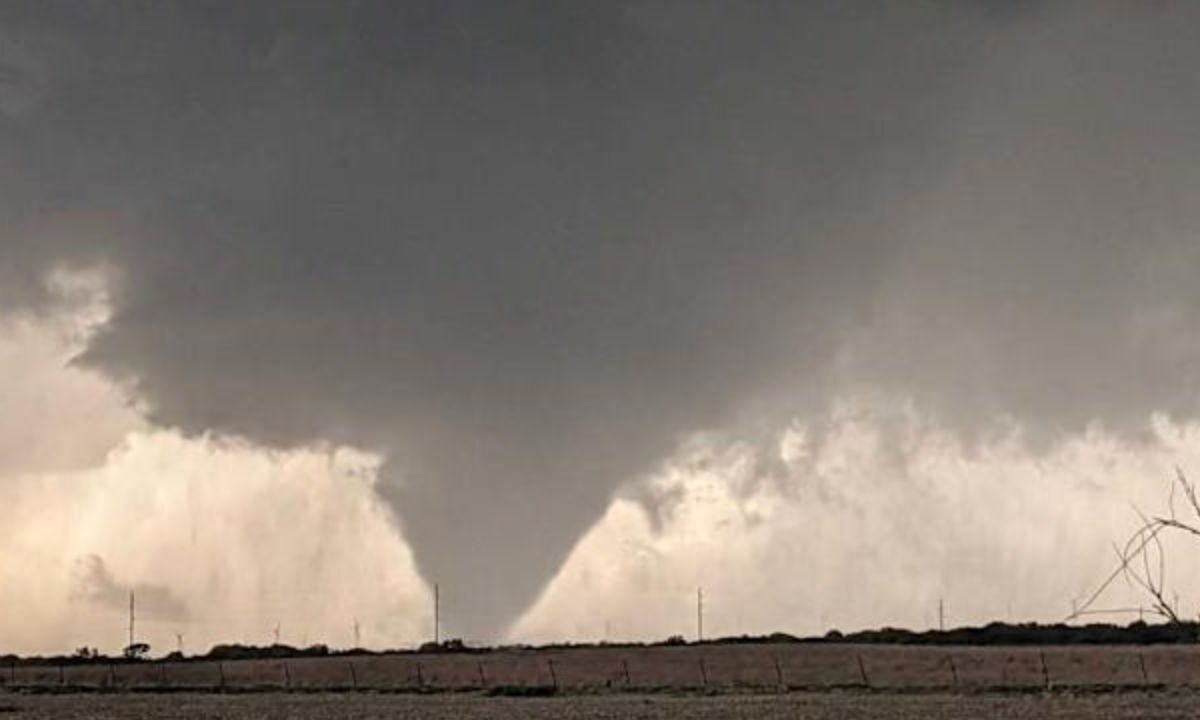
A powerful severe storm recently struck parts of Kansas, leading to the formation of multiple tornadoes, strong winds, and widespread damage. The storm developed quickly, catching many residents off guard as emergency alerts were issued across several counties.
This event is part of the ongoing spring storm pattern that often impacts the central United States.
What Happened During the Storm?

The storm system intensified due to unstable atmospheric conditions. Warm, moist air from the south collided with cooler, dry air from the north, creating powerful supercell thunderstorms. These storms produced rotating updrafts, which led to tornado formation.
In areas near Kansas City, at least two tornadoes were confirmed. One tornado touched down in the evening, lasting around 5 minutes, with wind speeds reaching approximately 85 mph and traveling close to 2 miles.
Damage and Impact
The impact of the Kansas tornado varied across different regions, but several areas reported serious destruction:
- 50 to 60 homes were heavily damaged or destroyed
- Around 100 buildings were affected
- Wind speeds in stronger tornadoes reached up to 115–125 mph
- At least 3 people were injured, though no major fatalities were reported

In some locations, fallen trees, damaged roofs, and overturned vehicles were common sights after the storm passed.
Storm Data and Key Figures
| Parameter | Details |
|---|---|
| Tornado Strength | EF-0 to EF-2 |
| Peak Wind Speeds | 85 mph – 125 mph |
| Tornado Duration | Around 5 minutes (varies) |
| Path Length | Up to 7.3 miles |
| Homes Damaged | 50–100+ |
| Injuries Reported | 3+ |
| Affected Areas | Kansas City, Ottawa, nearby regions |
Why Kansas Faces Frequent Tornadoes
Kansas is located in a region known as Tornado Alley, where tornadoes are common due to unique weather conditions. The main factors include:
- Meeting of warm Gulf air and cold northern air
- Strong upper-level winds (jet streams)
- High levels of atmospheric instability
These conditions are most active during the spring months, especially from April to June, making this period the peak tornado season.
Ongoing Weather Risk

Weather experts warn that the threat of severe storms is not over yet. The same weather system may continue to bring:
- Heavy rainfall
- Large hail
- Strong winds
- Additional tornado risks
Residents in affected regions are advised to stay alert and follow local weather warnings closely.
The recent severe storm in Kansas once again highlights how dangerous and unpredictable tornadoes can be. With wind speeds exceeding 100 mph and dozens of homes damaged, the event caused significant disruption but fortunately limited loss of life.
As tornado season continues, staying prepared and aware is essential. Early warnings and quick action can make a major difference in protecting lives and property during such extreme weather events.