
 Hailey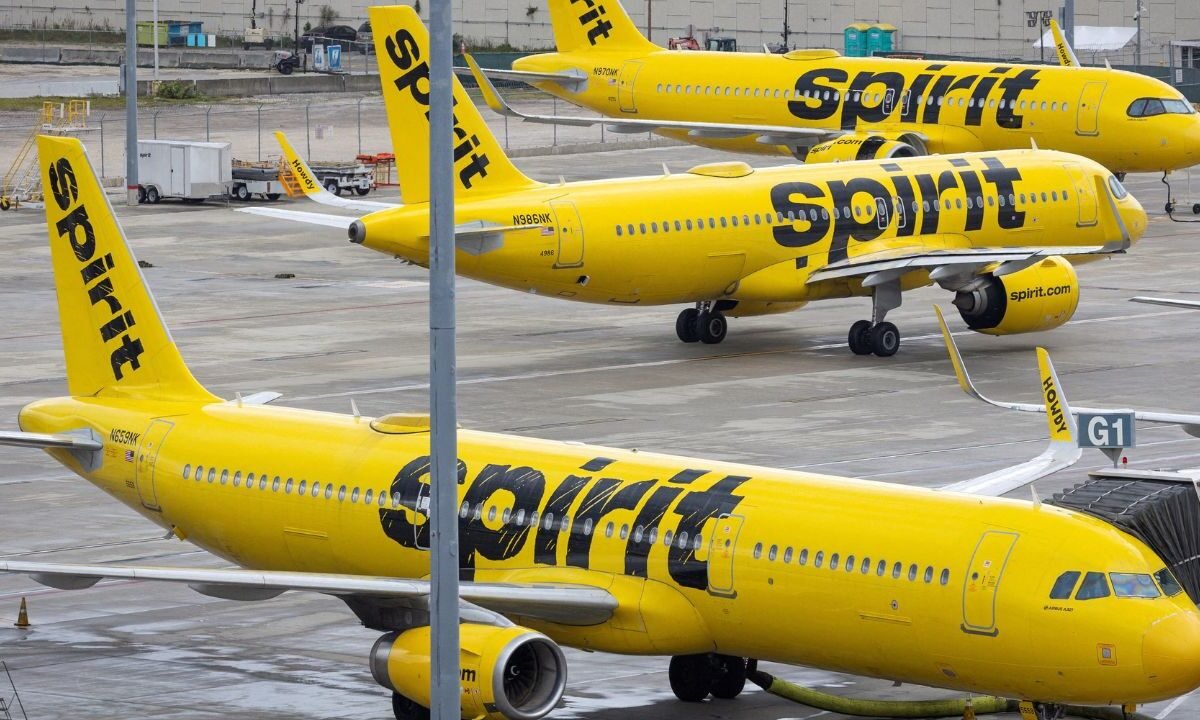
In a major shake-up for the aviation world, Spirit Airlines has officially ceased operations in May 2026 after struggling with severe financial losses.
Known for its ultra-low fares and no-frills service, the airline’s sudden shutdown has impacted thousands of passengers and employees, while also raising concerns about rising airfare prices in the future.
What Led to Spirit Airlines Shutdown

The closure of Spirit Airlines was the result of several long-term financial issues that escalated rapidly:
- Failed merger deal with JetBlue Airways, which could have saved the company
- Ongoing bankruptcy struggles since 2024, weakening its financial position
- Rapid increase in fuel prices, significantly raising operational costs
- Heavy dependence on low-ticket pricing model, which became unsustainable
- Rising competition from budget airlines like Frontier Airlines
By early 2026, the airline faced a severe cash shortage and announced an immediate halt to all flights.
Key Facts and Figures
| Category | Details |
|---|---|
| Airline Name | Spirit Airlines |
| Founded | 1983 |
| Shutdown Date | May 2026 |
| Employees Affected | 10,000–17,000 |
| Flights Cancelled | 4,000+ |
| Fleet Size | 100+ aircraft |
| Destinations | 70+ routes |
| Market Share | Around 5% in U.S. |
| Failed Bailout | Approx. $500 million |
| Fuel Price Impact | Major cost surge |
Impact on Passengers
The shutdown created immediate disruption for travelers:
- All scheduled flights were cancelled instantly
- Thousands of passengers were left stranded
- Customers were advised to avoid going to airports
- Refunds are being issued, especially for online payments
- Major airlines stepped in to assist affected passengers

The situation created chaos at airports, especially in busy hubs where Spirit Airlines operated heavily.
Impact on the Aviation Industry
The closure of Spirit Airlines is expected to have long-term consequences:
- Reduced competition in the low-cost airline segment
- Likely increase in airfare prices, especially on domestic routes
- Increased market share for major airlines
- Pressure on other budget carriers to maintain profitability
The absence of a strong ultra-low-cost airline could change how affordable air travel is in the coming years.
Why the Business Model Failed

The airline’s business model, while popular, faced serious limitations:
- Focus on low base fares with added fees for services
- Limited ability to absorb rising fuel and labor costs
- Lower customer satisfaction compared to full-service airlines
- Lack of premium offerings to generate additional revenue
These factors made it difficult for the company to survive in a highly competitive and expensive industry.
The shutdown of Spirit Airlines marks the end of an era in budget air travel. Despite its popularity among cost-conscious travelers, the airline could not withstand financial pressure, rising costs, and failed strategic deals.
This event serves as a reminder of how fragile the aviation industry can be. Moving forward, passengers may face fewer low-cost options and higher ticket prices, reshaping the future of affordable flying.